
All Tube lines affected by strike this week: service updates revealed
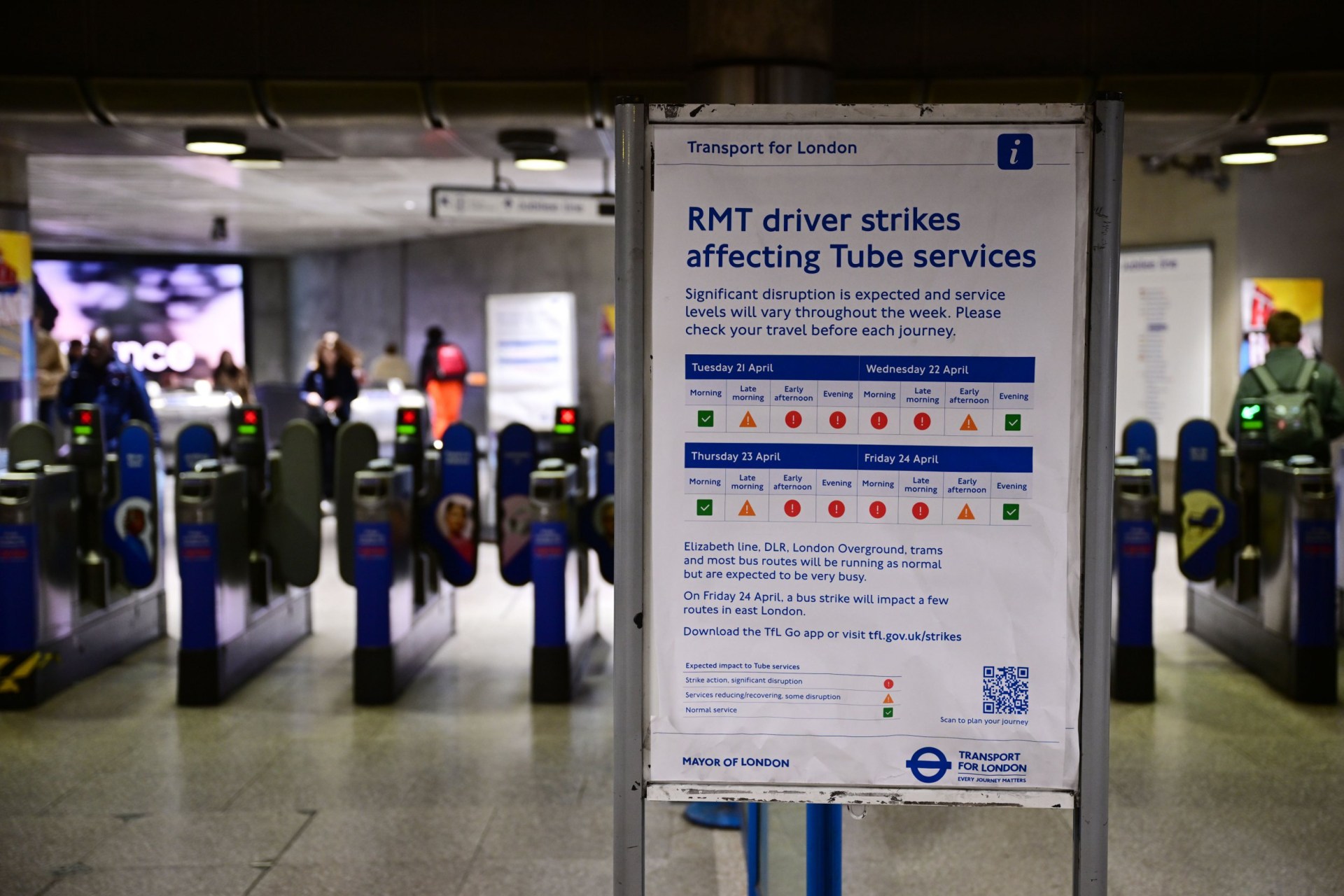
Another wave of London Tube strikes is on the horizon, with commuters facing disruption and limited services across the network. This comes just weeks after the last round of strikes, which left many struggling to navigate the city's transport system. The upcoming walkouts are set to begin on Tuesday, adding to the challenges for those who rely on the Underground for their daily commute.
The dispute between the RMT union and London Underground bosses centers around the proposed changes to Tube drivers' working hours. The RMT is opposing the idea of condensing a five-day workweek into four days, arguing that it could negatively impact driver welfare. On the other hand, Transport for London (TfL) claims that the new schedule would improve work-life balance and align with national rail operators' shift patterns.
When is the next Tube strike?
The strikes will occur in 24-hour blocks, but disruptions are expected throughout the week from Tuesday onwards, particularly during morning and evening rush hours. Here’s the schedule:
- First strike: From 12pm midday on Tuesday, 19 May, until midday on Wednesday, 20 May.
- Second strike: From midday on Thursday, 21 May, until midday on Friday, 22 May.
- Potential further strikes: If not called off, more walkouts are planned between June 16 and June 19.
Full list of affected Tube lines
During the strikes, the following routes will be completely unaffected:
- The entire Circle and Piccadilly lines
- The Central line between White City and Liverpool Street
- The Metropolitan line between Baker Street and Aldgate
All other lines will continue to operate, but with reduced frequency and increased congestion. TfL has warned that service levels may vary, and journeys will likely be disrupted.
Elizabeth Line, DLR, and Overground status during the strike
While the Elizabeth Line will run as usual, the same goes for buses, the Docklands Light Railway (DLR), and the London Overground. However, these services are expected to be extremely busy due to the increased demand.
What other travel alternatives are there?
With public transport options limited, many Londoners are turning to alternative modes of transport. Rental e-bikes, scooters, and Santander cycles are becoming popular choices. Last month, e-bike operators like Forest and Lime reported a significant increase in usage during strikes. For example, Forest saw a 50% rise in rides on one particular day, while Lime experienced a 23% increase.
One rider even managed to cycle approximately 124 miles in four days, which is roughly the distance from London to Birmingham. Cycling may not be everyone’s preference, but it has become a common solution for avoiding the worst of the disruption.
Rail services will also remain operational, though they may be busier than usual. In April, Greater Anglia trains arriving at Liverpool Street Station were notably crowded during peak hours.
For those living near the River Thames, River Bus services operated by Uber Boat and Thames Clippers offer an alternative. These can be paid for using contactless or Oyster cards. Another option is the London Cable Car, which connects the Royal Docks to the Greenwich Peninsula, though it only serves a limited route.
Why is the Tube strike happening?
The strike is specifically affecting Tube drivers who are members of the RMT union. The disagreement stems from TfL’s proposal to condense the drivers’ five-day workweek into four days, which the RMT strongly opposes. According to RMT’s London lead, Jared Wood, this change could result in drivers starting work as early as 3:45 am, driving for over five hours without a break, and then having a short rest before continuing for up to 9.5 hours.
TfL has emphasized that safety remains its top priority and that the proposed changes aim to improve work-life balance. They have also stated that the four-day working week has already been accepted by Aslef, the other major Tube drivers’ union.
Claire Mann, TfL’s chief operating officer, expressed disappointment over the strike, stating that the company has made efforts to resolve the issue. She added that the proposed changes are voluntary and that drivers who do not wish to participate can remain on the current five-day schedule.
TfL continues to urge customers to check their travel plans before heading out and to allow extra time for their journeys.
Post a Comment for "All Tube lines affected by strike this week: service updates revealed"