
APY Art Centre Urges Federal Review of First Nations Art Sector
Concerns Over Ethical Standards in the Indigenous Art Sector
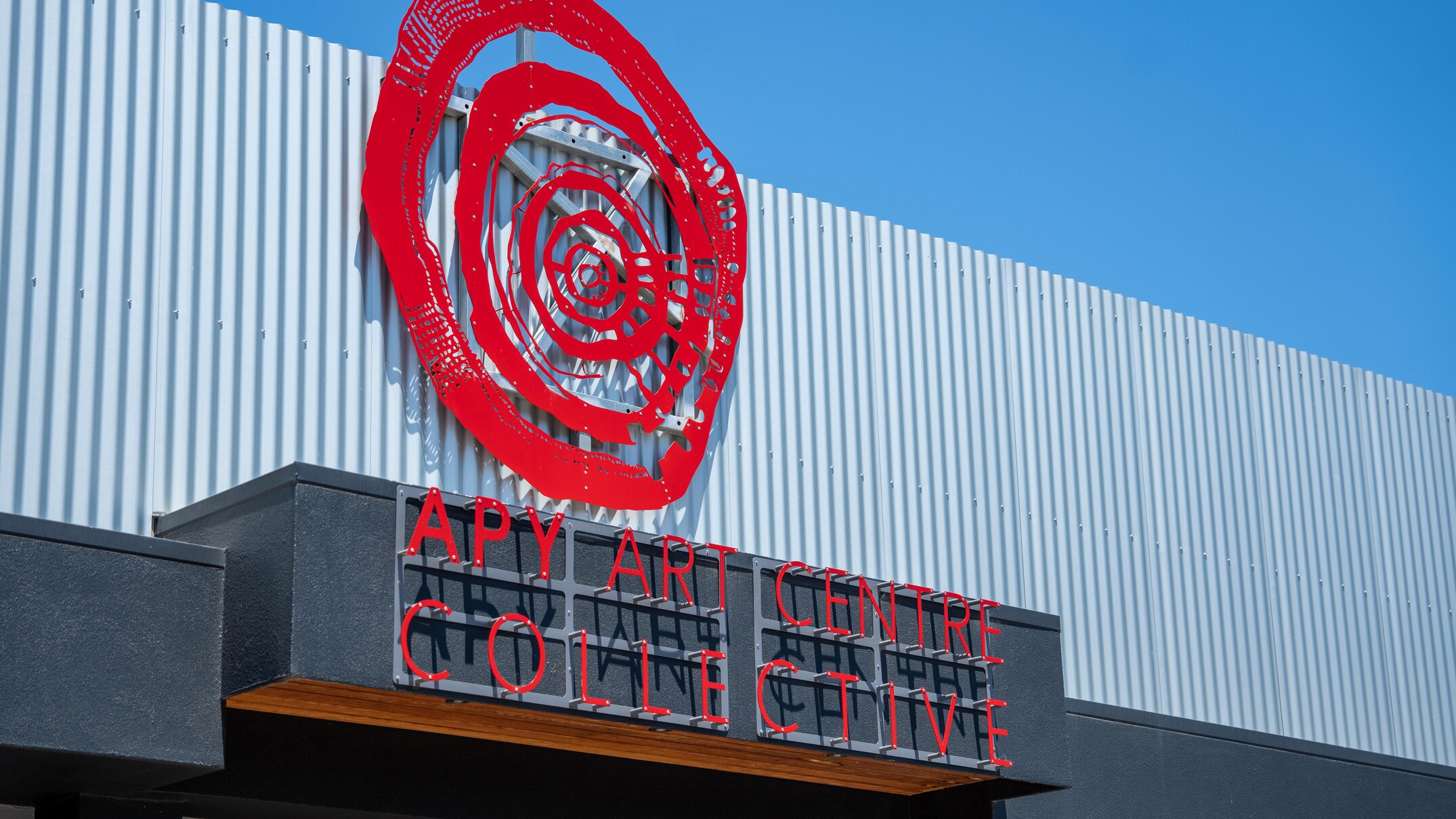
Leaders of a First Nations art collective from remote Australia are urging the federal government to conduct another inquiry into the Indigenous art sector, focusing on the actions of private art dealers. The APY Art Centre Collective, which operates art centres in Far North South Australia and the Aṉangu Pitjantjatjara Yankunytjatra (APY) Lands, has raised concerns about the effectiveness of the Indigenous Art Code (IAC) in addressing the challenges faced by the industry.
The collective became central to allegations of "white hands on black art" in 2023, following reports published in The Australian. These allegations led to the collective being removed from the Indigenous Art Code, a voluntary code of conduct aimed at promoting ethical trade practices. Despite this, the collective has not been reinstated in the three years since its removal.
Governance and Efficacy Issues
The Indigenous Art Code was established in 2009 as a result of a federal inquiry into the First Nations art sector. It outlines guidelines for ethical and transparent conduct for businesses that choose to sign up, but it is not legally enforceable. Being a signatory of the IAC is also a requirement for some federal funding grants.
Sandra Pumani, chair of the APY Art Centre Collective and a Yankunytjatjara artist, expressed surprise at the collective's removal from the IAC in 2023, noting that they were left without support. Skye O'Meara, the collective’s CEO, raised concerns about the governance of the IAC, questioning whether private art dealers should be on the board.
"I think that the IAC board has always struggled to manage conflicts of interest," Ms O'Meara said. "It's a very small industry... it's enormously competitive, and the board members have always been a group of competing dealers — Indigenous and non-Indigenous."
Concerns About Exploitative Practices
Over the past few decades, concerns about "carpet baggers"—dealers who exploit Aboriginal artists through deceptive commercial arrangements—have been raised in central Australia. These concerns were highlighted during the 2007 federal inquiry and a 2018 inquiry into inauthentic Indigenous art.
Alfred Lowe, an Arrernte artist and member of the APY ACC, stated that a voluntary code of conduct is insufficient to prevent the exploitation of First Nations artists. He pointed out that the IAC was created to address issues like carpet bagging and indentured servitude, yet he sees no tangible effects from the code in stopping these practices.
"The only serious action they've taken in the last three years was removing us," he said.
Call for Federal Inquiry
Now, the collective's artists and Ms O'Meara are calling for a federal inquiry into the industry. "We think this is really warranted, we think it's time," Ms O'Meara said. She emphasized the lack of accountability and transparency in the private dealers' model compared to Indigenous-owned art centres.
"You can get on the ORIC website and look at the annual audit of Aboriginal-owned art centres on their website at any time you wish. But these sheds in Alice Springs, and they're popping up in Adelaide as well, they operate in the shadows. There is no transparency about how much the artists are getting paid and this has been the part of the industry that has been of utmost concern."
Review Findings Under Consideration
The Indigenous Art Code has recently undergone a review, with the federal Department of Infrastructure, Transport, Regional Development, Communications, Sports and the Arts currently considering the findings and recommendations. A spokesperson for the department stated that the IAC remains an important part of collective efforts in supporting ethical and fair dealing in the First Nations visual arts sector.
The government has also committed to working with First Nations people to introduce stand-alone legislation to protect First Nations knowledge and cultural expressions, including addressing the harm caused by fake art, merchandise, and souvenirs. Public consultations for the next National Cultural Policy are ongoing, with submissions open until Sunday, May 24.
Exhibition Launched After Controversy
Last month, the collective launched its exhibition Ngura Puḻka — Epic Country at the National Gallery of Australia after a three-year delay. The exhibition was originally scheduled to open in 2023 but was postponed due to allegations of non-Aboriginal interference in the works.
An independent investigation commissioned by the gallery cleared the works of improper interference. The National Gallery's head curator of First Nations art stated there is "no warrant" for the claims of 'white hands on black art,' and the artists have full authorship of the works in the exhibition.
The collective hopes the exhibition will mark a turning point in public perception of the industry. "We hope that this exhibition finally being on the walls will be the catalyst to industry change, to some systemic change that ensures that Aboriginal artists are safe in their success," Ms O'Meara said. "That Aboriginal people are able to grow their industry as they see fit, to grow their own business opportunities, and to do it without the risk of bad actors in the industry or carpet baggers trying to undermine them and trying to destroy what they've built."
Post a Comment for "APY Art Centre Urges Federal Review of First Nations Art Sector"