
Eurovision 2026: A Controversial and Historic Victory
The 2026 Eurovision Song Contest, marking its 70th anniversary, has concluded with a winner that stunned many. The event, held at the Wiener Stadthalle in Vienna, Austria, saw Bulgaria take home the title with an impressive 516 points from both jury and audience votes. This victory was a surprise for many, as the country had not been considered a strong contender.
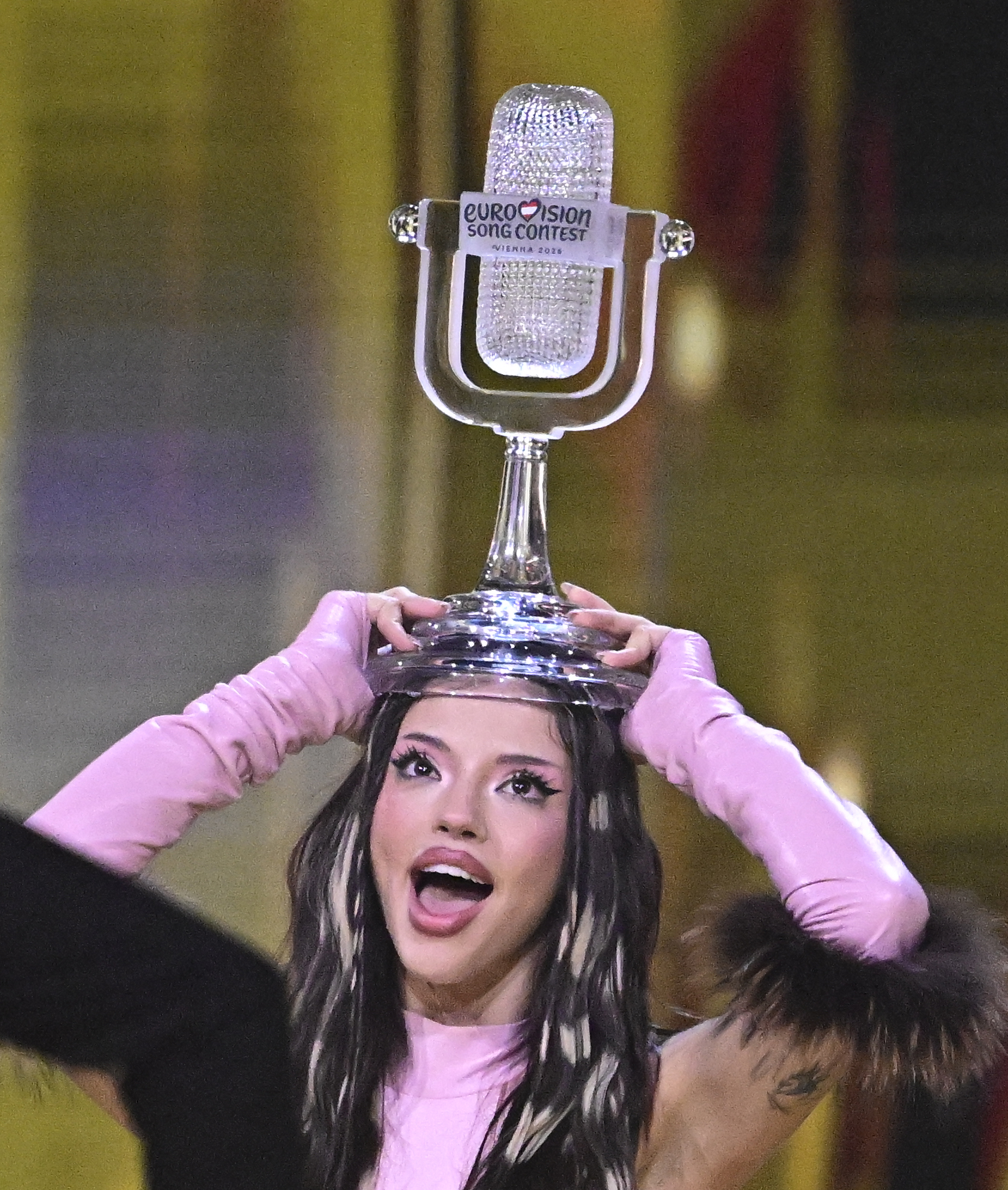
Bulgaria's representative, 27-year-old Darina Nikolaeva Yotova, known as Dara, delivered a catchy pop song titled "Bangaranga." Her performance captivated the audience, leading to her historic win. Dara expressed her disbelief upon receiving the trophy, stating, “Oh my God,” as she raised the award above her head.
The second place went to Noam Bettan of Israel with his song "Michelle," earning 343 points. Romania’s Alexandra Capitanescu came in third with "Choke Me," securing 296 points. The competition was intense, with the final results revealing a close race between Israel and Bulgaria, where Bulgaria managed to secure the lead by just 140 points.
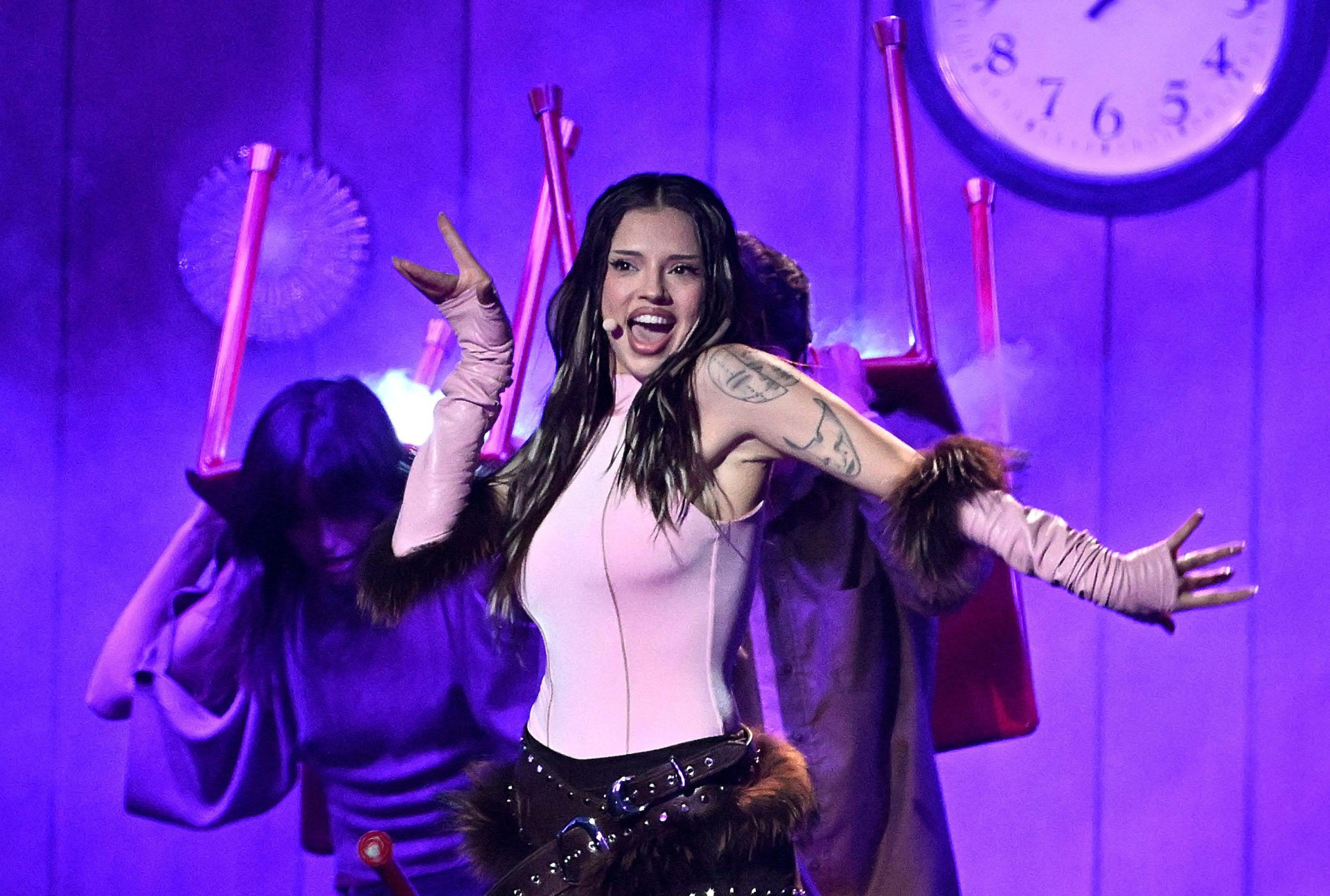
Hosts and Performances
The event was hosted by Victoria Swarovski and Michael Ostrowski, who guided the evening through a series of performances. Twenty-five countries participated, each hoping to claim the coveted title. However, the rehearsals were marred by technical issues, adding to the tension before the final.
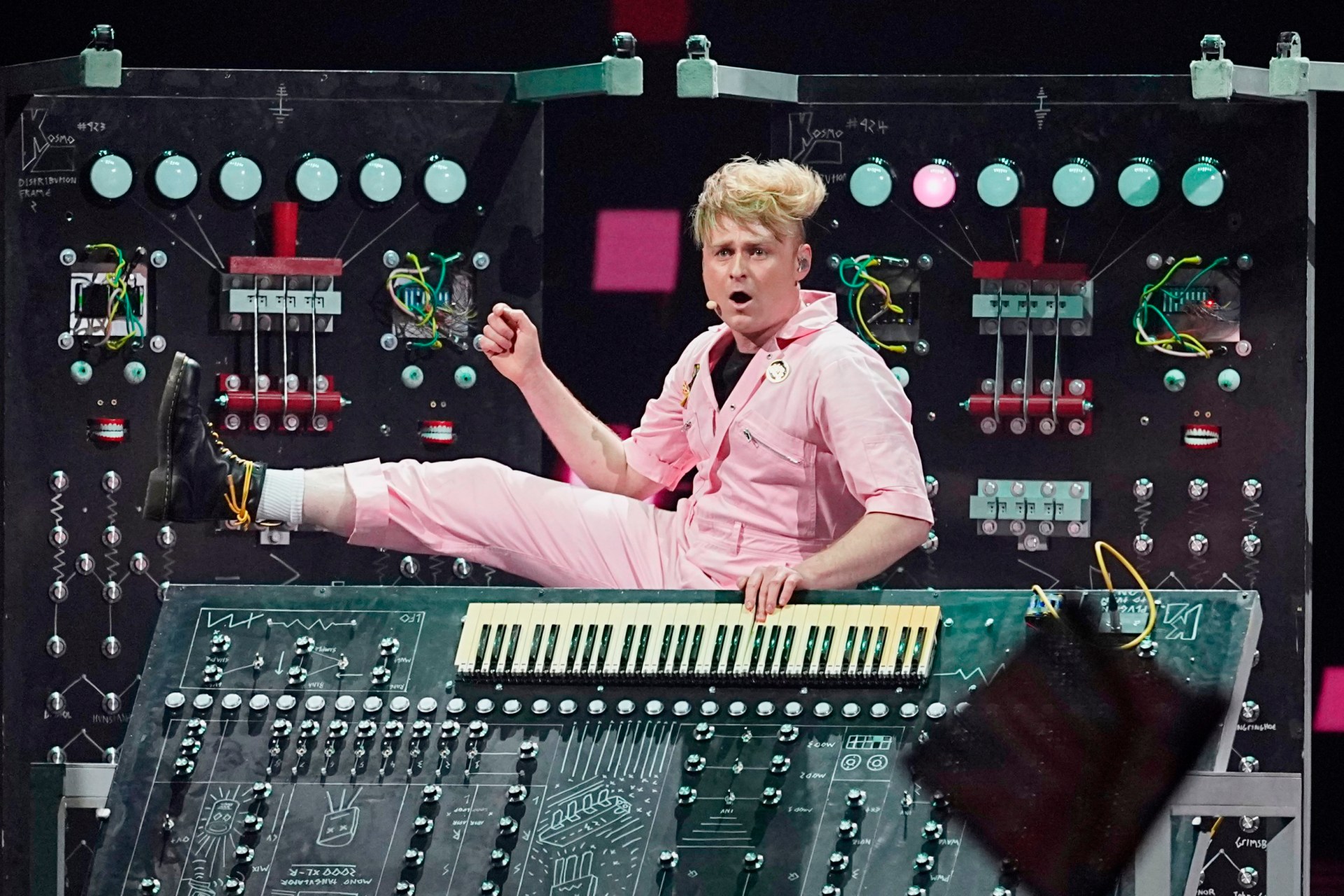
For the United Kingdom, Look Mum No Computer, also known as Sam Battle, performed his techno tune "Eins, Zwei, Drei." Despite mixed reactions from his home country, Sam ended up with only one point from Ukraine in the jury vote, placing the UK at the bottom of the leaderboard after receiving zero points from the audience.
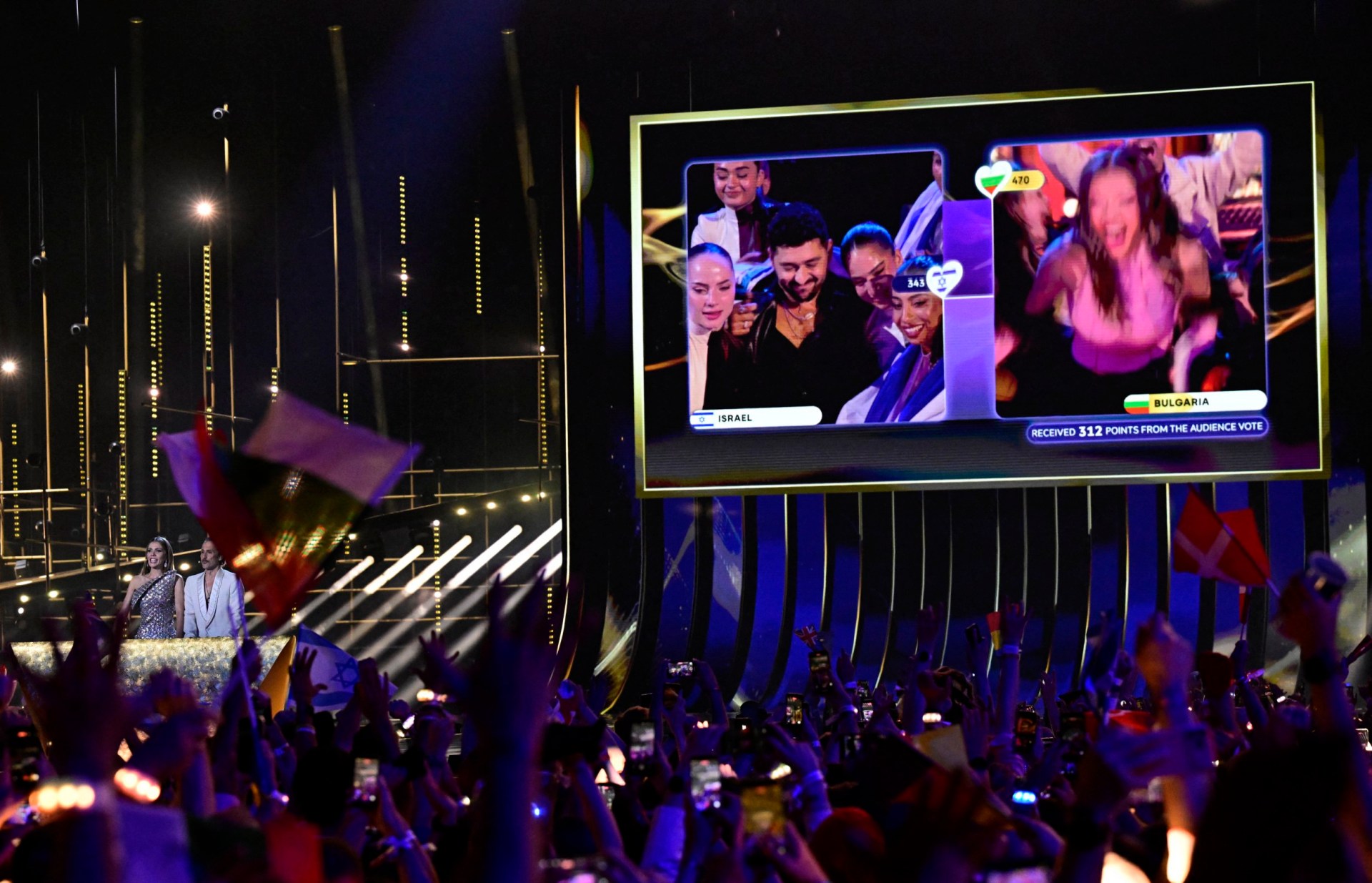
Final Scores
Here are the final scores from the 2026 Eurovision Song Contest:
- Bulgaria - 516
- Israel - 343
- Romania - 296
- Australia - 287
- Italy - 281
- Finland - 279
- Denmark - 243
- Moldova - 226
- Ukraine - 221
- Greece - 220
- France - 158
- Poland - 150
- Albania - 145
- Norway - 134
- Croatia - 124
- Czechia - 113
- Serbia - 90
- Malta - 89
- Cyprus - 75
- Sweden - 51
- Belgium - 36
- Lithuania - 22
- Germany - 12
- Austria - 6
- United Kingdom - 1
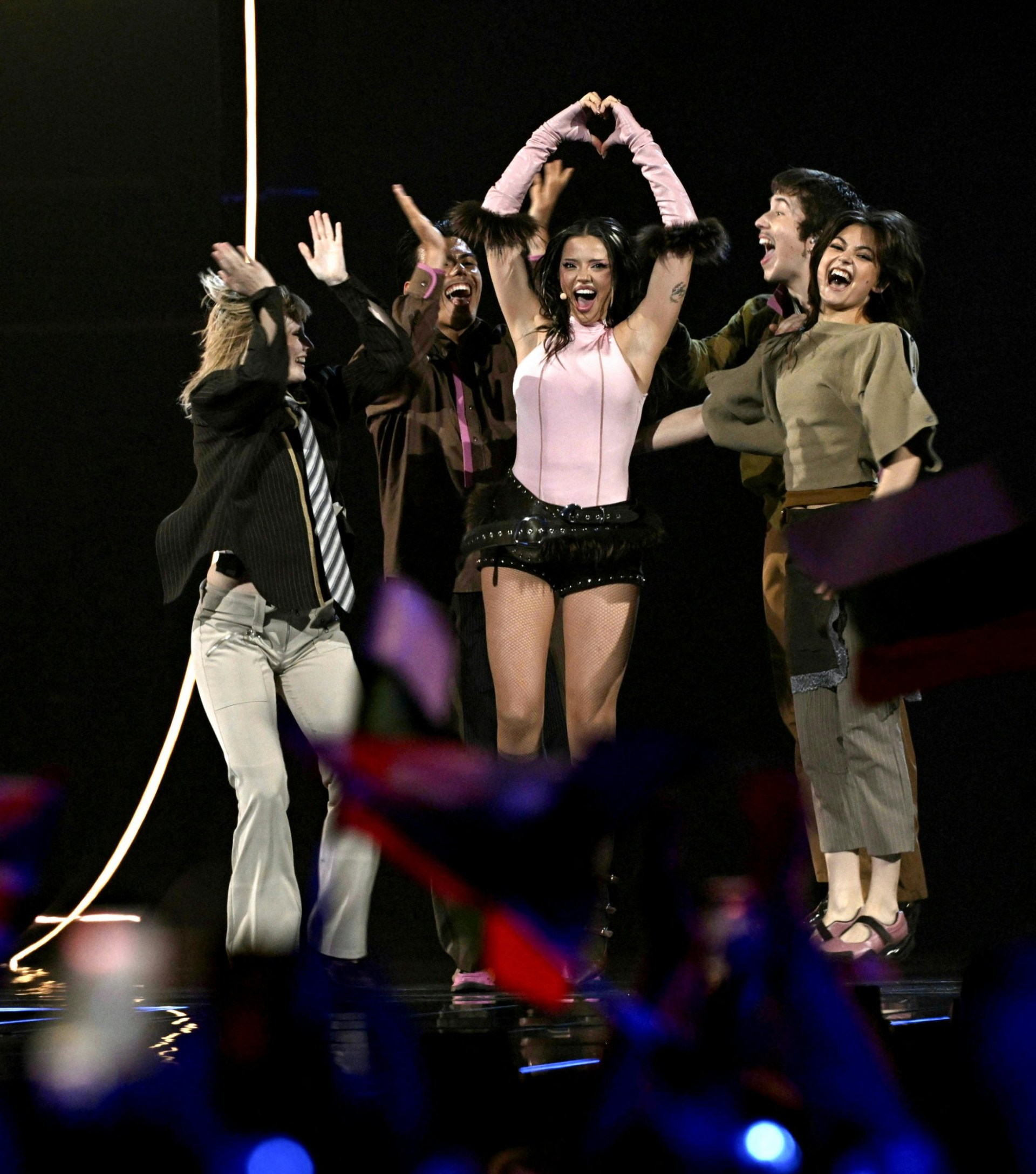

Political Controversies
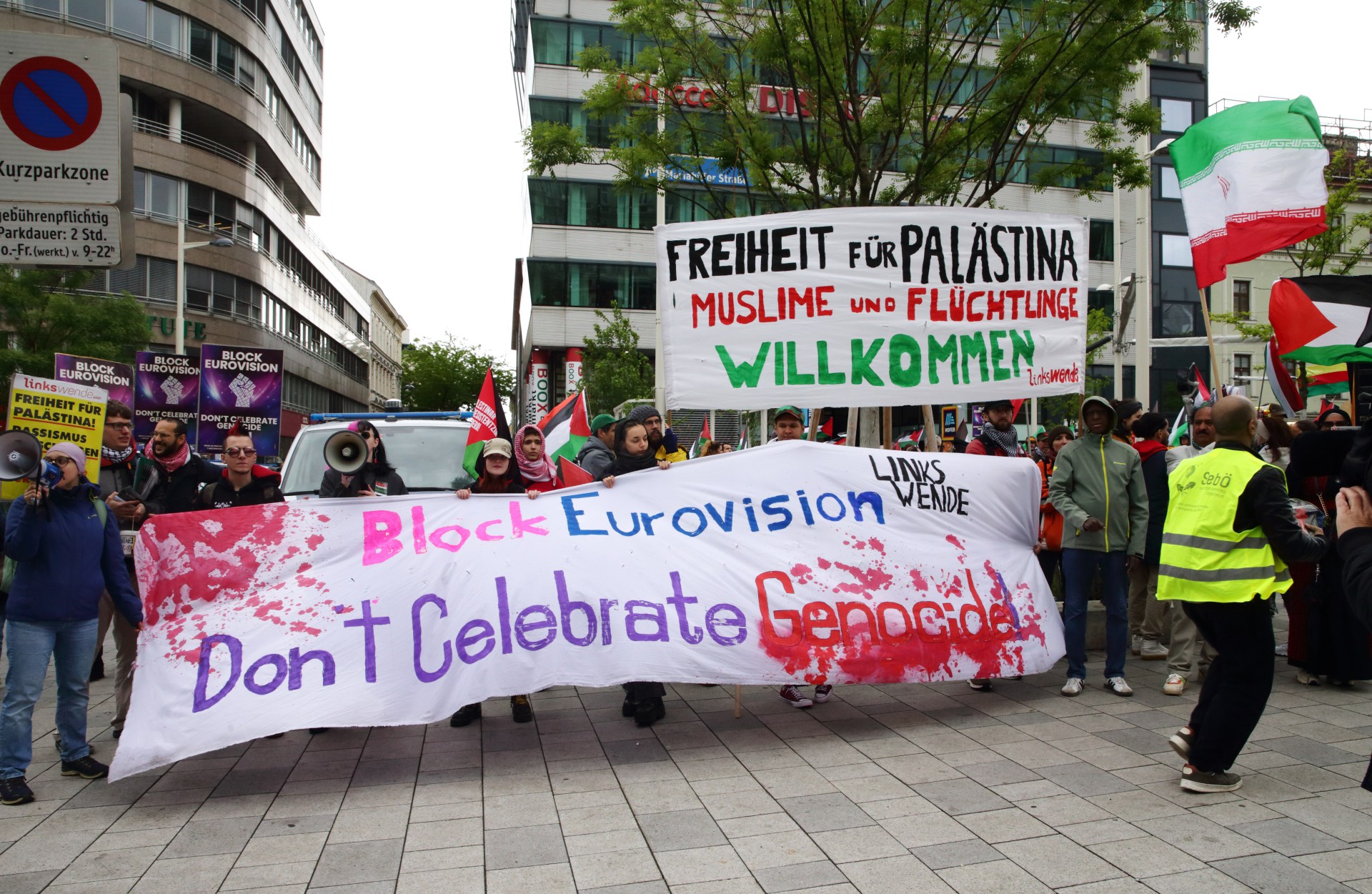
This year’s Eurovision has been marked by significant political controversy. Ireland, the Netherlands, Iceland, and Slovenia all withdrew from the competition, as did Spain, which was part of the Big Five. The Big Four now includes the UK, France, Germany, and Italy.
Iceland and the Netherlands chose to still broadcast the contest. The boycott was announced after Israel’s participation was confirmed last December, sparking protests due to the ongoing conflict in Gaza. According to reports, this has led to the largest protest since the Eurovision in 1970.
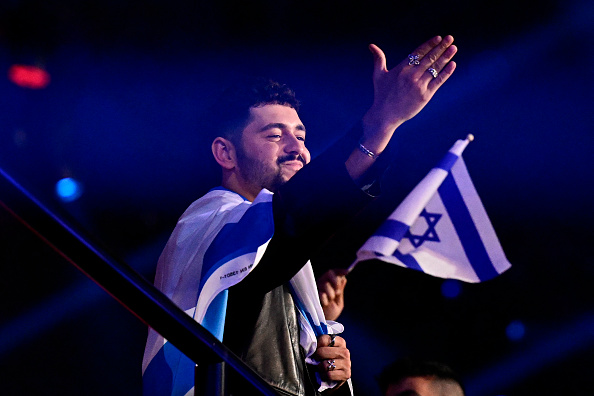
Despite the protests, Noam Bettan’s performance received a positive reception from the crowd, with cheers and Israeli flags waved throughout. However, when the final points were revealed, there was a noticeable disapproval from fans, as the outcome came down to the wire.
Rule Changes and Future Implications
Following the 2025 event in Basel, Switzerland, Eurovision implemented several changes to the voting rules to enhance trust and transparency. These included forbidding participating broadcasters from influencing outcomes and improving technical safeguards against fraudulent voting.
The situation surrounding Israel’s participation has sparked much debate, especially considering the presence of Moroccanoil, an Israeli beauty brand, as a major sponsor. The European Broadcasting Union (EBU) has faced pressure regarding its stance on Israel’s participation.
Fans will have to wait and see if Israel is allowed to return in 2027, following three years of external pressure on the EBU.


No comments:
Post a Comment