
Chalmers dismisses franking credit overhaul amid tax battle
Treasurer Jim Chalmers Addresses Franking Credits and Tax Policy
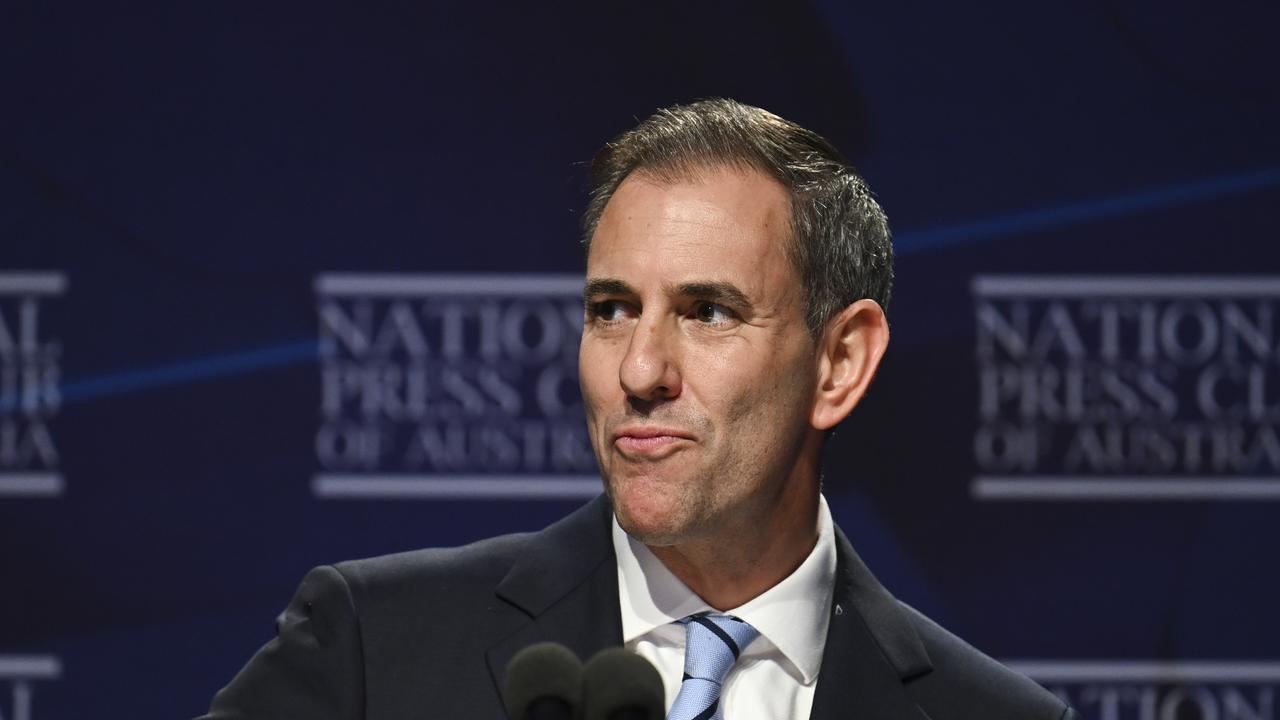
Treasurer Jim Chalmers has made it clear that there will be no changes to franking credits as the Labor government and the Coalition continue their debate over cuts to capital gains tax and negative gearing. Since the release of the budget on Tuesday, the Treasurer has been working to convince voters and critics that the Albanese government is not breaking its promises regarding housing investor tax benefits.
“It would have been the easiest thing in the world … to make a political decision to leave everything just as it is,” he told the ABC. “But, the longer that we left that, the harder this problem would have become for a lot of people.”
When asked about the government’s trustworthiness following the reversal of its stance, Mr Chalmers ruled out any changes to franking credits. This policy was one of the key elements of then-Labor leader Bill Shorten’s failed 2019 premiership bid, which aimed to end cash refunds for excess franking credits while still allowing them to be used to offset taxes owed.
“Well, there’s no change to the treatment of franking credits in the budget,” Mr Chalmers said on Sunday. He also addressed potential changes to superannuation and gas tax, stating that the government had already adjusted its position on superannuation and that changes to gas tax were not under consideration.
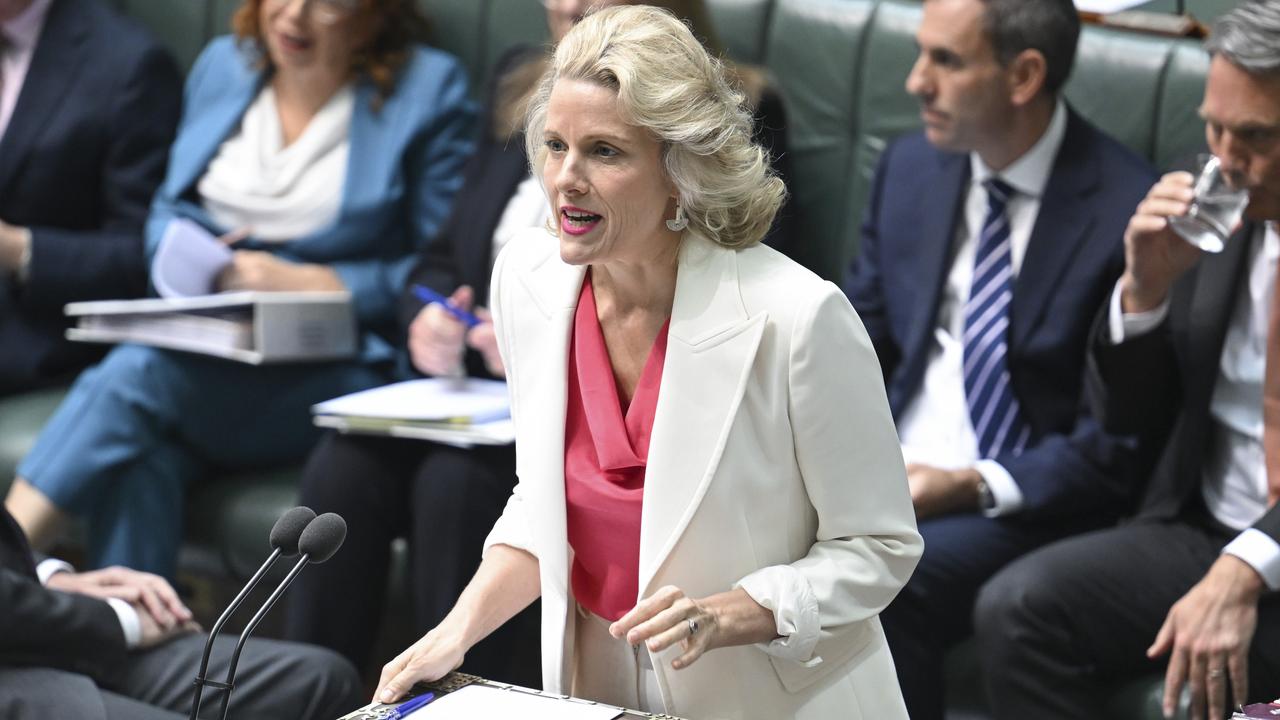
Housing Minister Clare O’Neil on Negative Equity
Housing Minister Clare O’Neil faced questions about whether younger Australians would avoid entering “negative equity” despite Labor’s efforts to overhaul investor tax benefits. Appearing on Sky News, Ms O’Neil highlighted the government’s reversal on capital gains tax and negative gearing changes, as well as its first homebuyer schemes that allow buyers with as little as two per cent of a deposit to purchase a home.
Ms O’Neil claimed these changes created a “level playing field for first homebuyers.” However, when pressed on whether younger homeowners would still face negative equity, she was less certain.
“Well, I can’t, you know, the housing market is, you know, price movements occur in the housing market,” she said. “That is not what Treasury is predicting.”
Ms O’Neil stated that Treasury predicted house prices would continue to grow but at a slower rate. “We’ve got the balance right,” she said, between doing too little or too much.
“(Treasury modelling shows) the likely effect of these changes is a moderate reduction in the pace of growth of house price,” she added. “That will lead to somewhere around a $20,000 reduction for the first homebuyer who’s paying it.”
The Housing Market Is ‘Cooked’
Earlier, Ms O’Neil described the housing market as “cooked,” claiming it no longer serves the Australian people. She emphasized that the government wants individuals with normal incomes to have a fair chance at owning a home.
Labor plans to reduce the capital gains tax discount and limit negative gearing to new builds or grandfathered properties following the May budget. However, the party will need support from either the Coalition or the Greens to pass these changes through the Senate.
Ms O’Neil said the changes were “a really meaningful part” of the government’s attempt to address housing inequality, which also includes measures aimed at increasing housing supply.
“Treasury modelling suggests that the impact of these changes will be to turn 75,000 rental households into first home buyers households,” she said. “One of the ways that it does that is a slight slowing of house price growth.”
She added that the changes were “not just about a small section of the population.” “I am just as likely to get stopped in the street by a grandparent or a parent who is desperately concerned about their kids and their ability for their kids to set down roots, grow wealth, and raise a family in this country as I am,” she said.

No Bounce in the Polls
However, Labor faced a setback in the first major poll since the budget, with One Nation leading on the primary vote according to Roy Morgan. Treasurer Jim Chalmers told the ABC that he would be “more surprised” if the result had been the reverse.
“We didn’t do this to get a bounce in the polls,” he said. “We did it to get a boost in first time ownership, particularly among younger Australians who’ve been locked out.”
Mr Chalmers defended the changes to the capital gains tax discount, including its application to shares. “About nine in 10 people under-25 don’t have any shares,” he said. “For people who do, by getting rid of this distortion which over compensates established housing and under compensated shares or investments in new supply of units and the like, then that will be a much fairer, much more neutral treatment of capital gains in the system.”
He added that the intersection of the housing market and the tax system is not working. “It’s locking too many people out of home ownership, and so our primary motivation here is to better align the tax treatment of people who work and people who earn their income in other legitimate ways.”
Opposition Leader Angus Taylor, in his budget reply speech, announced that the Coalition would scrap many of the Albanese government’s housing initiatives and link net overseas migration to housing completions.
“Labor has set its immigration targets without regard for the housing that is being constructed in this country, the housing, the services and the infrastructure,” he told Sky News. “This must change, and what we’re proposing here is each year the housing minister would say we’ve built this many houses and so the immigration number, the net overseas migration number, can be X.”
Post a Comment for "Chalmers dismisses franking credit overhaul amid tax battle"