
Deadly Errors, Close Calls Plague US Airports, Expose Safety Flaw
The Growing Concerns in U.S. Air Travel Safety
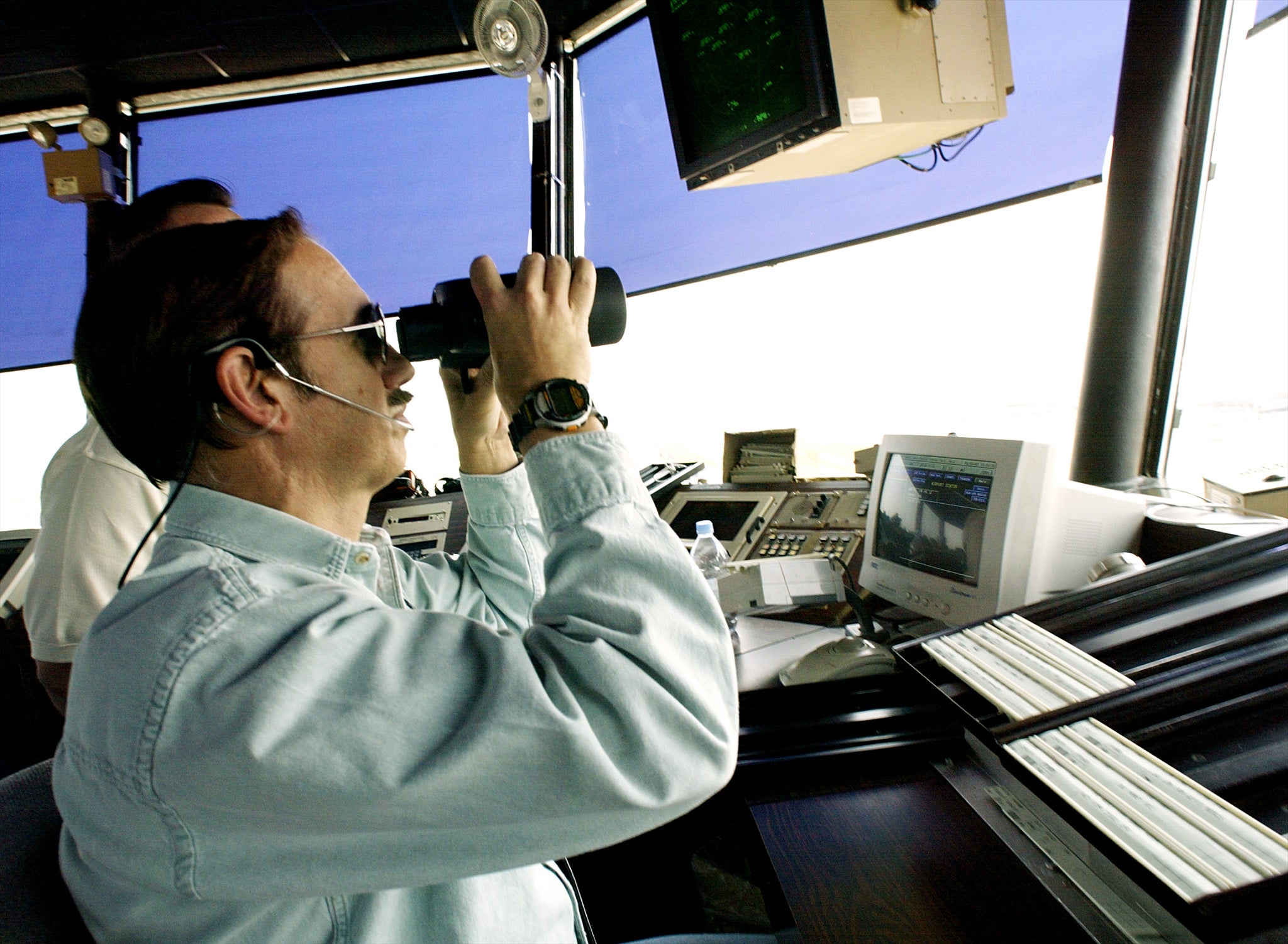
Recent incidents at U.S. airports have raised significant concerns among travelers and airport staff alike. These events, occurring against a backdrop of an air traffic controller shortage and hundreds of federal layoffs, have sparked fears about the potential for more serious disasters.
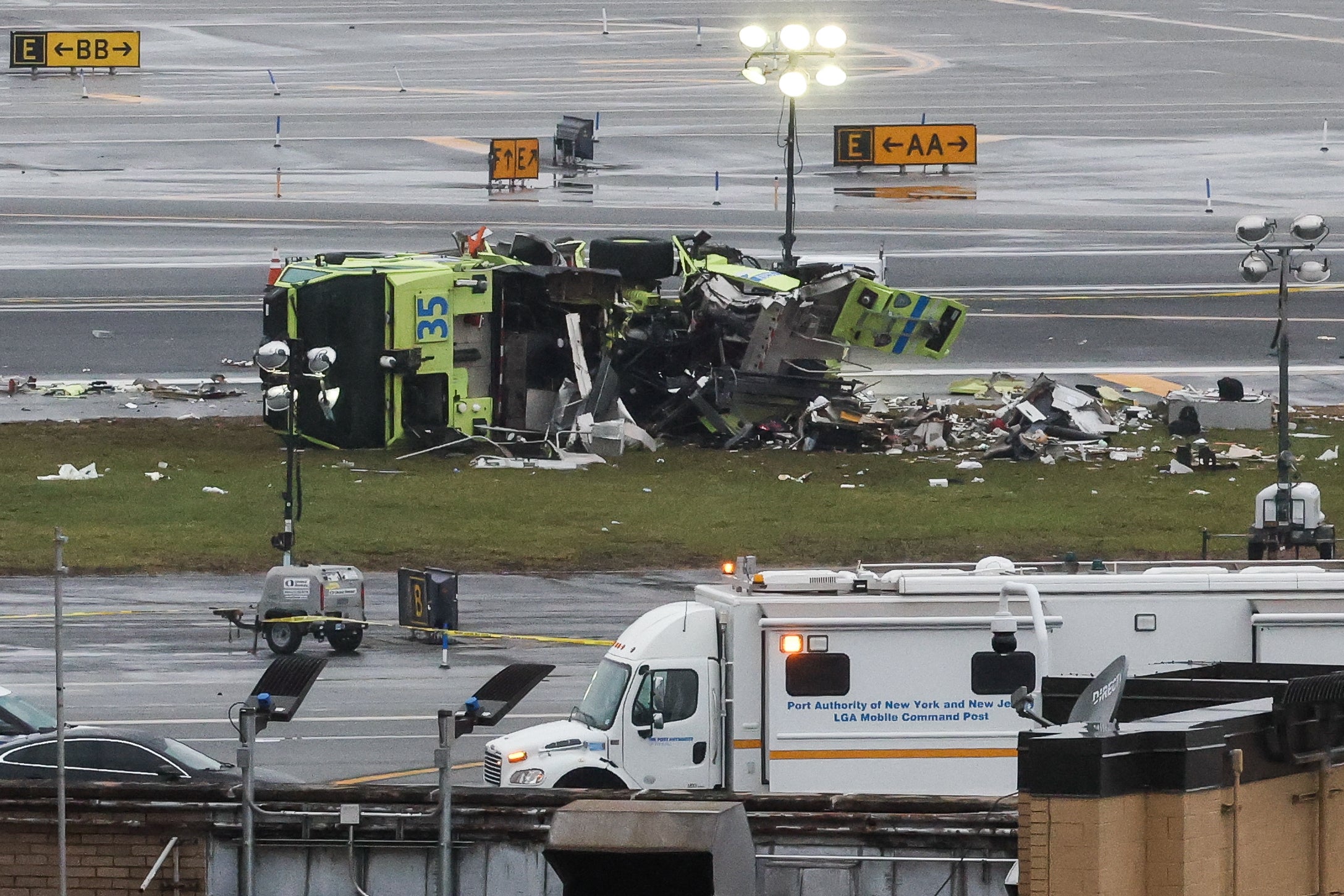
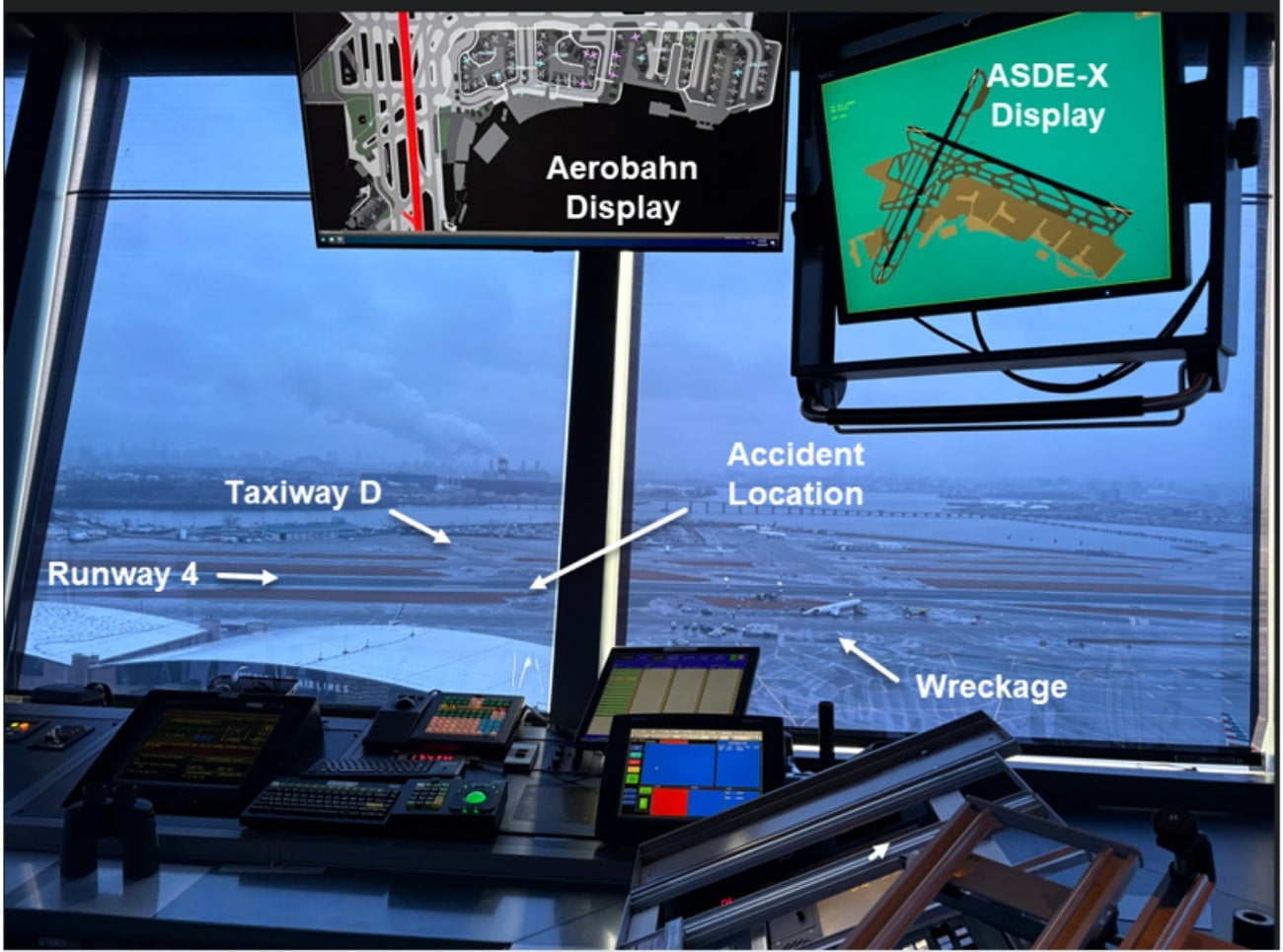
Despite these worries, aviation experts emphasize that air travel remains statistically the safest form of transportation. However, they also highlight a critical flaw in high-tech safety systems used at airfields across the country. This issue may have contributed to the tragic runway collision at New York City’s LaGuardia Airport in March, which resulted in the deaths of two pilots.
Key Incidents and Near Misses
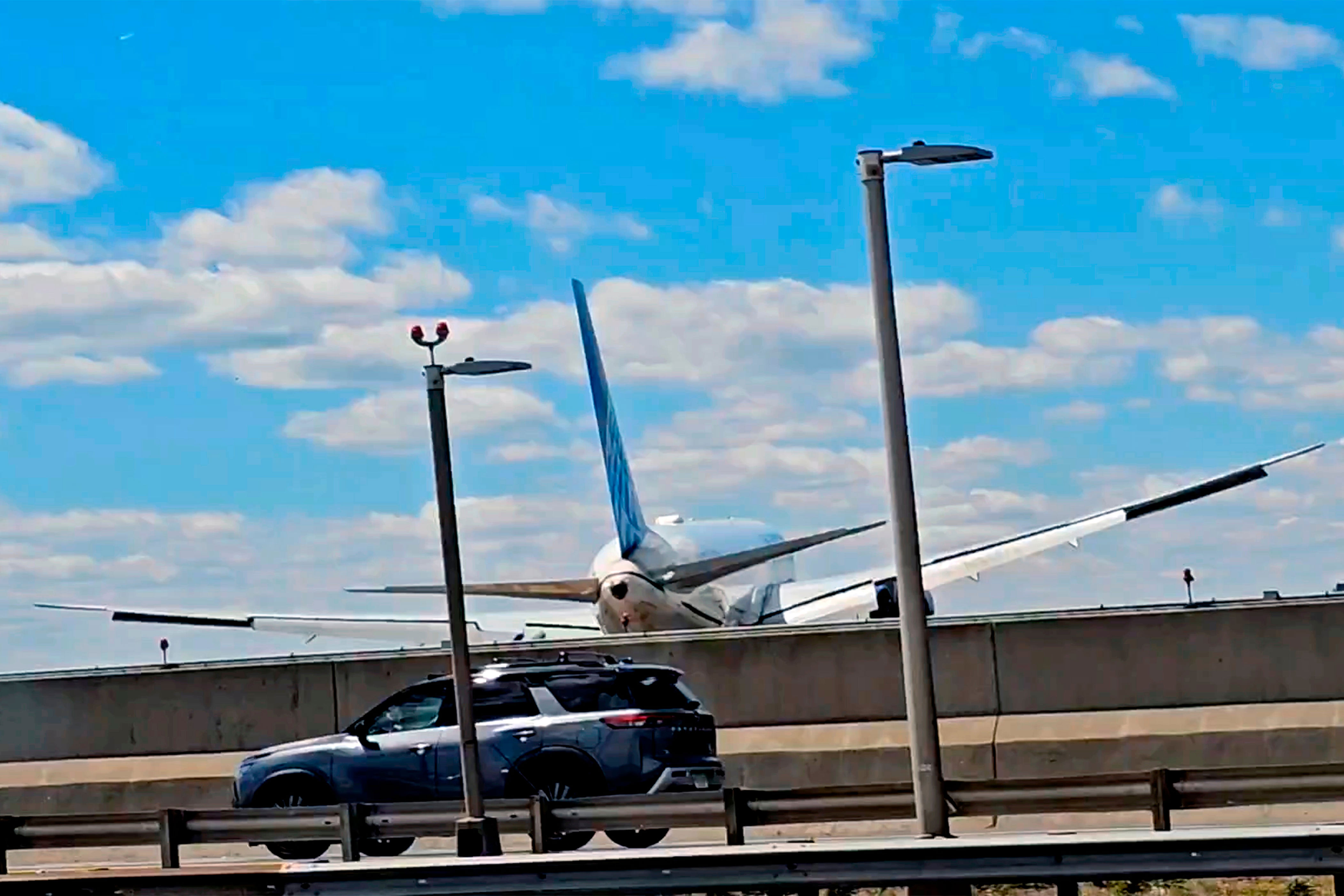
One of the most alarming incidents involved a plane carrying 231 passengers and crew that clipped a light pole and bread truck on the New Jersey Turnpike while approaching Newark Airport. The truck driver, Donald Boardly Jr., survived with minor injuries after the Boeing 737's landing gear smashed into the cab of the bakery delivery truck he was driving. His father described his son's fear of not walking away from the incident.
Another close call occurred when a regional flight came within 500 feet of a single-engine propeller plane flying overhead as they crossed paths while landing at New York City's Kennedy Airport. This near miss followed a similar incident at Tennessee's Nashville Airport and a March 24 close call involving a military Black Hawk helicopter and a Boeing 737 at John Wayne Airport in Santa Ana, California.
A recent tragic accident took place at Denver Airport, where a suicidal man climbed over a fence and walked onto a runway where he was fatally sucked into a plane’s engine as it was attempting to take off. This incident caused minor injuries to 12 people on board.
Statistical Overview of Aviation Accidents
According to the National Transportation Safety Board (NTSB), commercial aviation accidents in the U.S. during 2008-2024 ranged from a high of 91 in 2008 to a low of 59 in 2020, when airline traffic declined due to the COVID-19 pandemic. In 2024, there were 75 commercial aviation accidents in the U.S., including 34 that involved major airlines, regional carriers, and cargo operators. None of those accidents caused any deaths, according to the NTSB.
There were also 41 accidents in 2024 involving smaller, on-demand charter operators and commuter aircraft, including six that killed people, up from 36 accidents in 2023, when there were eight deadly accidents.
Expert Opinions on Safety
John Cox, a retired airline captain-turned-safety consultant, emphasized that the public does not face any greater risks despite the recent increases in accidents. He noted that if you look at the total number of accidents over a five- or 10-year period, the trend line continues to come down.
Steve Arroyo, a retired United Airlines captain, echoed this sentiment, stating that "when you look at the statistics, 75 to 85 million people fly every month in the USA." He added that a passenger would have to fly 20 million flights to be involved in an accident.
Technological Advancements and Safety Measures
The Flight Safety Foundation's Aviation Safety Network reported 61 commercial aviation accidents in the U.S. last year, up from 54 in 2024. Despite this increase, experts believe that the overall safety of air travel remains high.
Technological advancements have made it easier for reporters and the public to learn about accidents and close calls in real time. A spokesperson for Flightradar24 noted that the advent of software to find radios and the ability of many people to build a receiver has made these types of incidents more visible.
FAA's Response and Ongoing Challenges
In response to the LaGuardia collision, the Port Authority of New York and New Jersey announced it would install transponders in its emergency vehicles at all three locations. The FAA has also been grappling with a shortage of air traffic controllers, with a December report from the Government Accountability Office highlighting the issue.
The FAA has taken steps to address the problem, including spending $16.5 million to put transponders in all of its vehicles at 264 airports. However, experts like John Cox and Steve Arroyo emphasize that this is just one step in a longer journey toward improving safety.
Recruitment Efforts and Future Outlook
To address the controller shortage, the Transportation Department launched an online ad campaign targeting video gamers to work as air traffic controllers. This innovative approach aims to reach a growing demographic of young adults who possess the hard skills required for the profession.
Despite these efforts, challenges remain, including the need for stable funding for training and addressing the ongoing issues of attrition and reduced hiring. Experts agree that while progress is being made, the issue cannot be solved overnight.
Post a Comment for "Deadly Errors, Close Calls Plague US Airports, Expose Safety Flaw"