
Disgusting Bus Incident: The Unspoken Rules of Public Transport
Common Public Transport Etiquette Issues
Public transport is a microcosm of society, bringing together people from all walks of life. It's a space where we often encounter behaviors that can be unusual, annoying, or even unpleasant. The nine.com.au team has shared some of the most common etiquette issues they've observed, with input from etiquette expert Zarife Hardy from the Australian School of Etiquette.
Listening to Something Out Loud at Full Volume
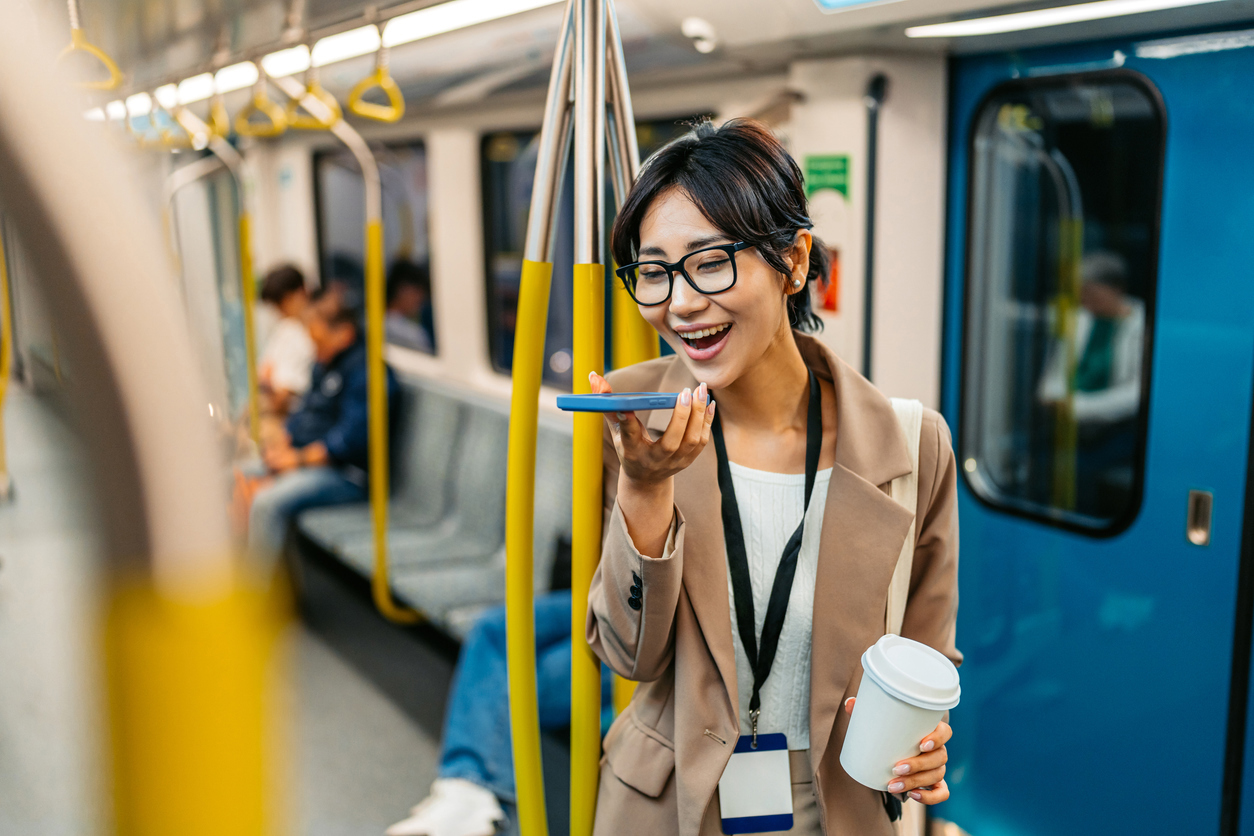
One of the most frustrating experiences on public transport is when someone listens to music or watches videos at full volume. "If you forgot your headphones: bad luck," one staffer said. "You do not get to scroll TikTok and Instagram at full volume. You don't get to listen to music. You don't get to take a loudspeaker phone call. You sit in a frustrated silence and think about remembering your important belongings next time."
Hardy emphasized that in public transport settings, playing music or watching social media videos out loud is considered rude and poor etiquette. "Remember, it isn't your lounge room. Always use headphones when listening to music or watching videos on public transport. Keep your volume low enough that others cannot hear it at any time."
Not Having Awareness of Personal Belongings Blocking Space
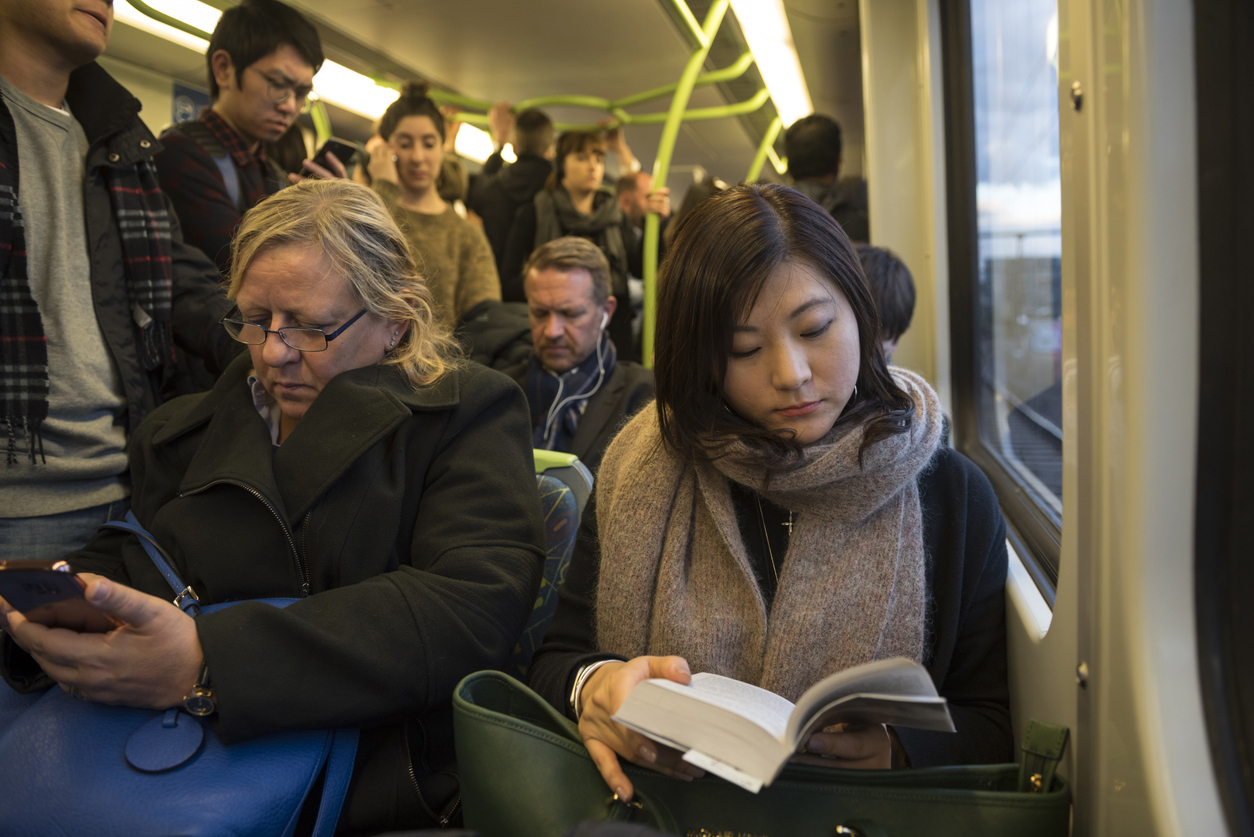
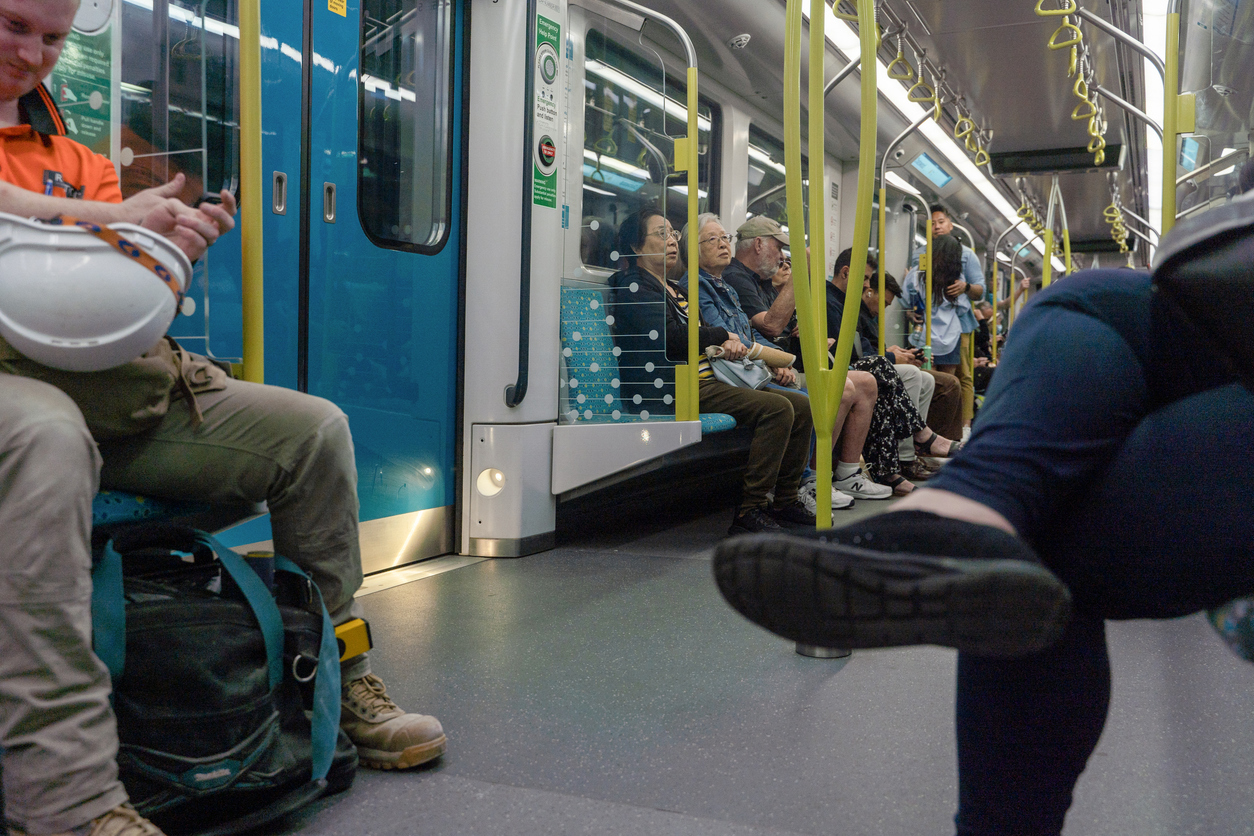
Another common issue is people not being aware of their belongings, which can limit the already-limited space available for sitting or standing. One staffer mentioned the problem of people spreading out and placing their items on the seat next to them without moving them when the bus or train gets busy.
"I once plonked down on a guy's jumper when he did this, and the look of horror he gave me will fuel me forevermore," she shared.
Hardy added that it is rude to place bags, backpacks, or other belongings across seats in a way that prevents others from sitting there. "Seats are for passengers to sit on. Place your bags on your lap or at your feet and move any baggage straight away when the train becomes busy. Always be aware of the space you are taking up."
Not Giving Seats to More Vulnerable Members of Society
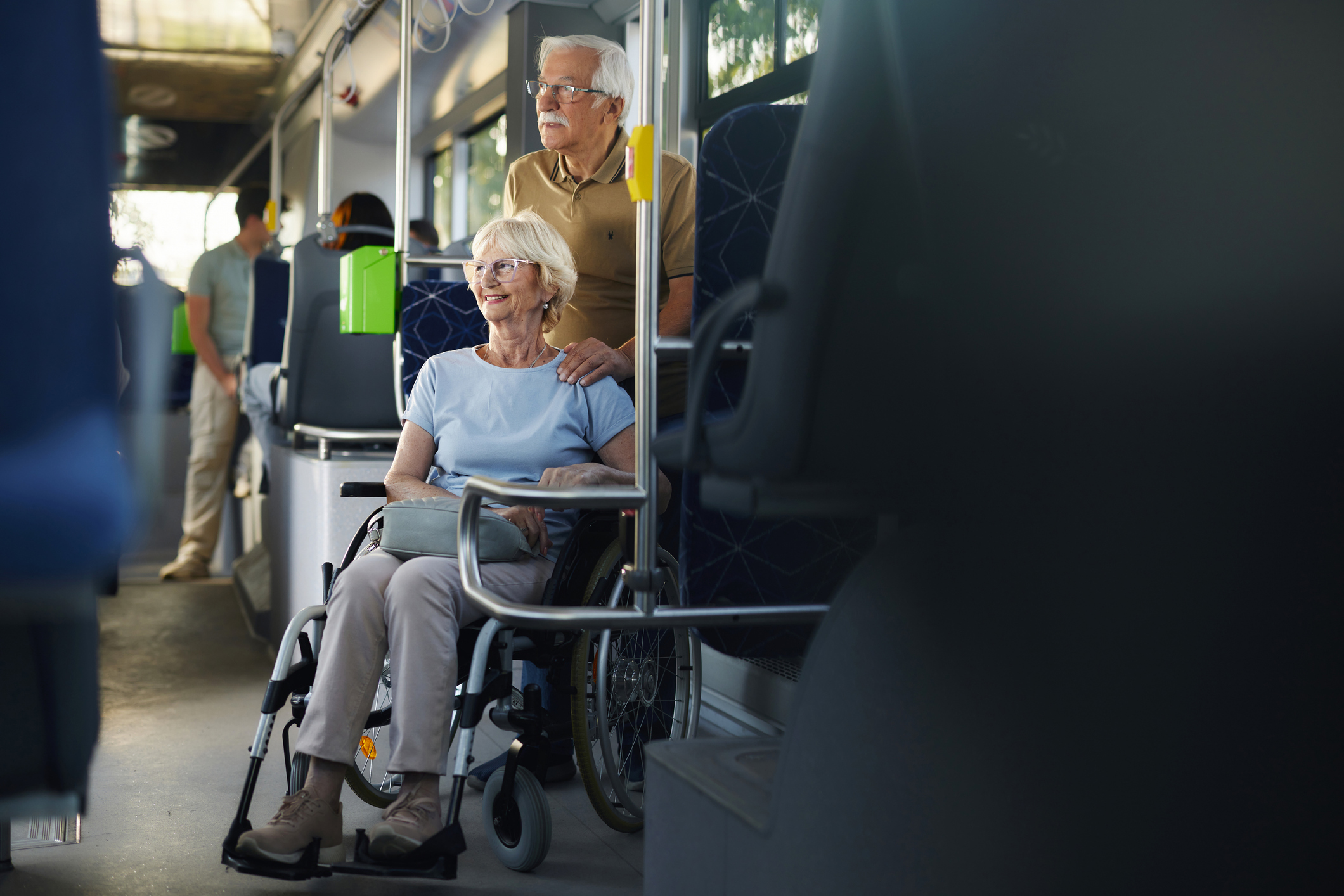
Another public transport pet peeve is when people don't stand up for elderly individuals or those who might be struggling to balance. "It should be universally known that if you are sitting, even if you're not in a priority seat, you should give up your seat for anyone elderly or injured who might struggle to stand in a moving vehicle," one team member raged.
Hardy highlighted that it is generally considered rude not to offer your seat to someone who is elderly, pregnant, injured, or living with a disability, especially if seating is limited. "It is part of basic public courtesy and shows respect. It's also important to remember that not all disabilities are visible, try to avoid harsh assumptions about people. If in doubt, give them your seat."
People Being Sick on Public Transport
Although it is an unfortunate situation to have to travel while being ill, there are steps that can be taken to minimize its effect on others. "Not covering sneezes or coughs on a train is unhygienic and selfish as it affects the comfort and health of people in a shared, enclosed space," says Hardy.
"Always cover your mouth when coughing or sneezing and preferably turn away from people, sanitise hands after and be very mindful when in crowded environments."
People Not Letting Passengers Disembark First
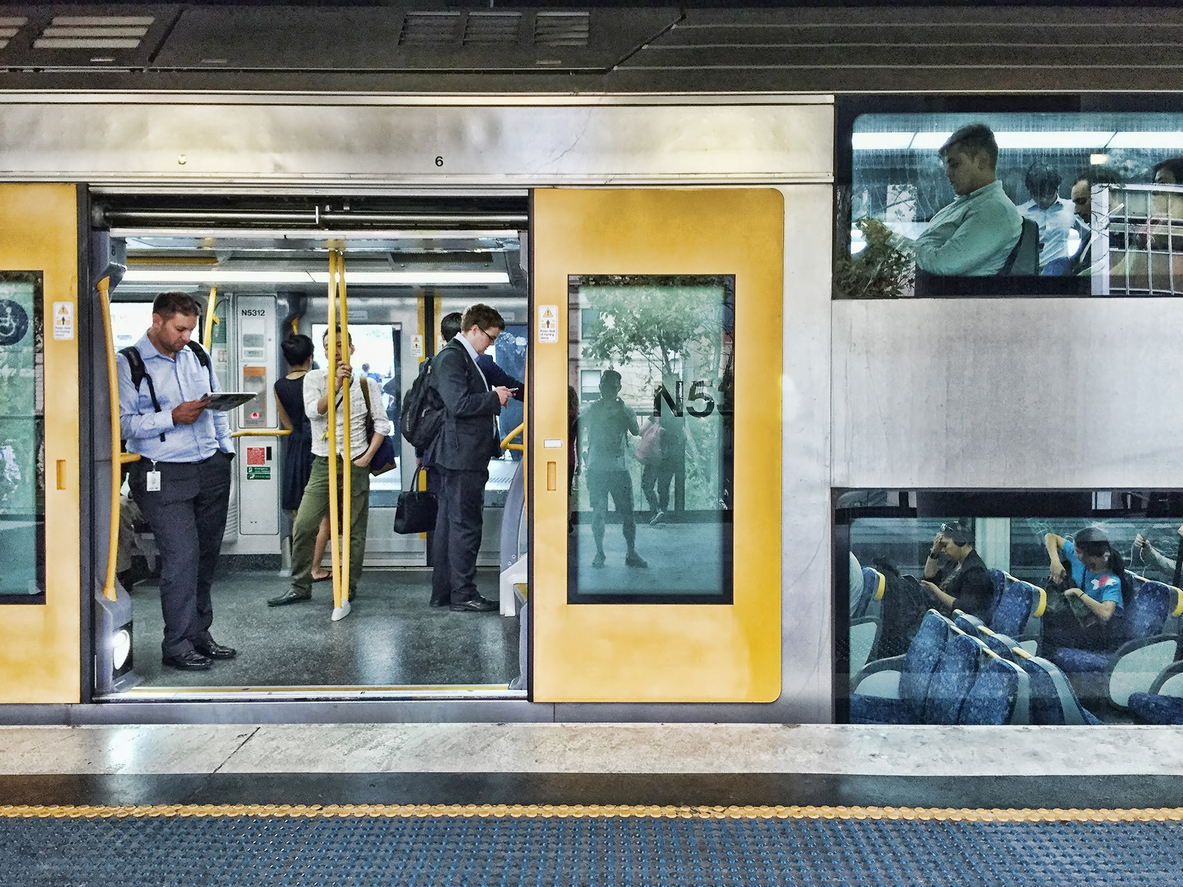
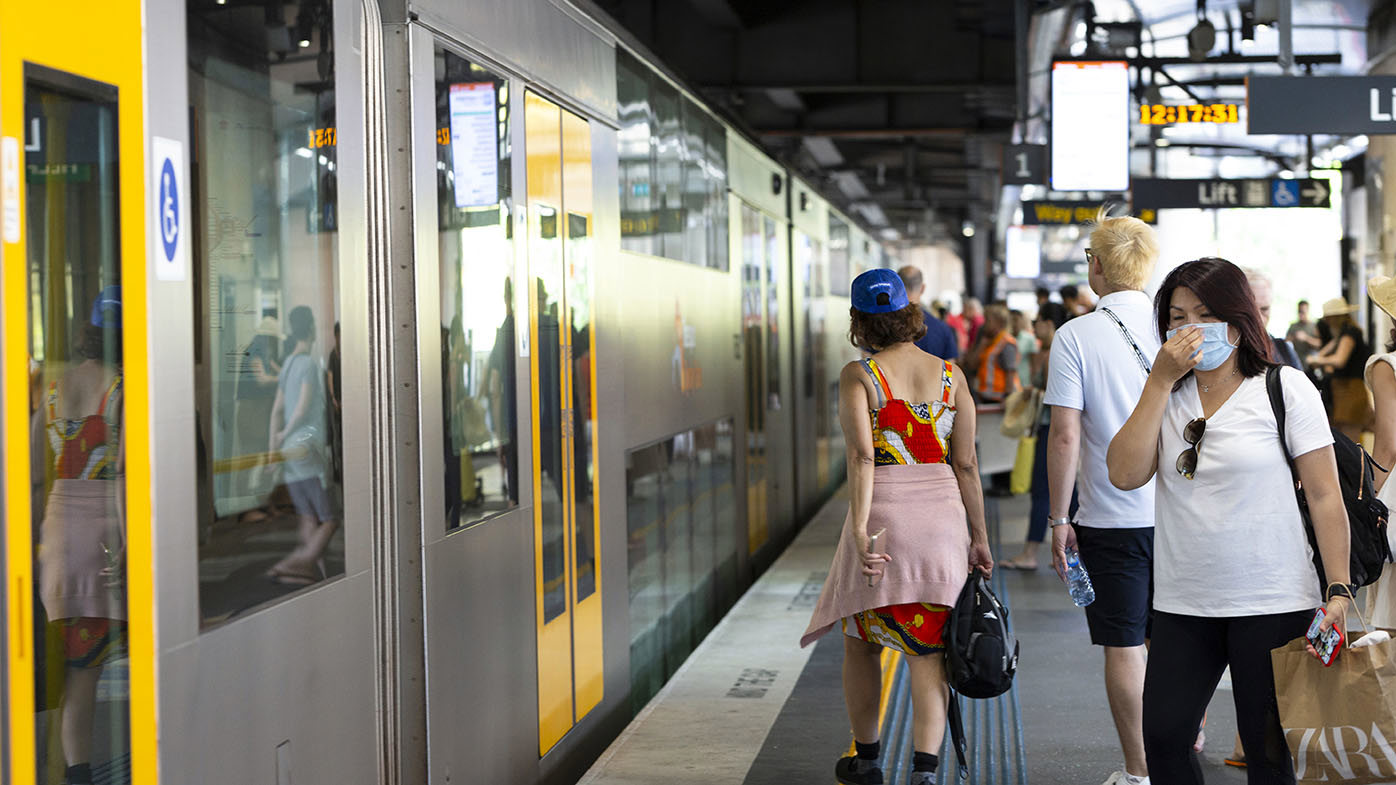
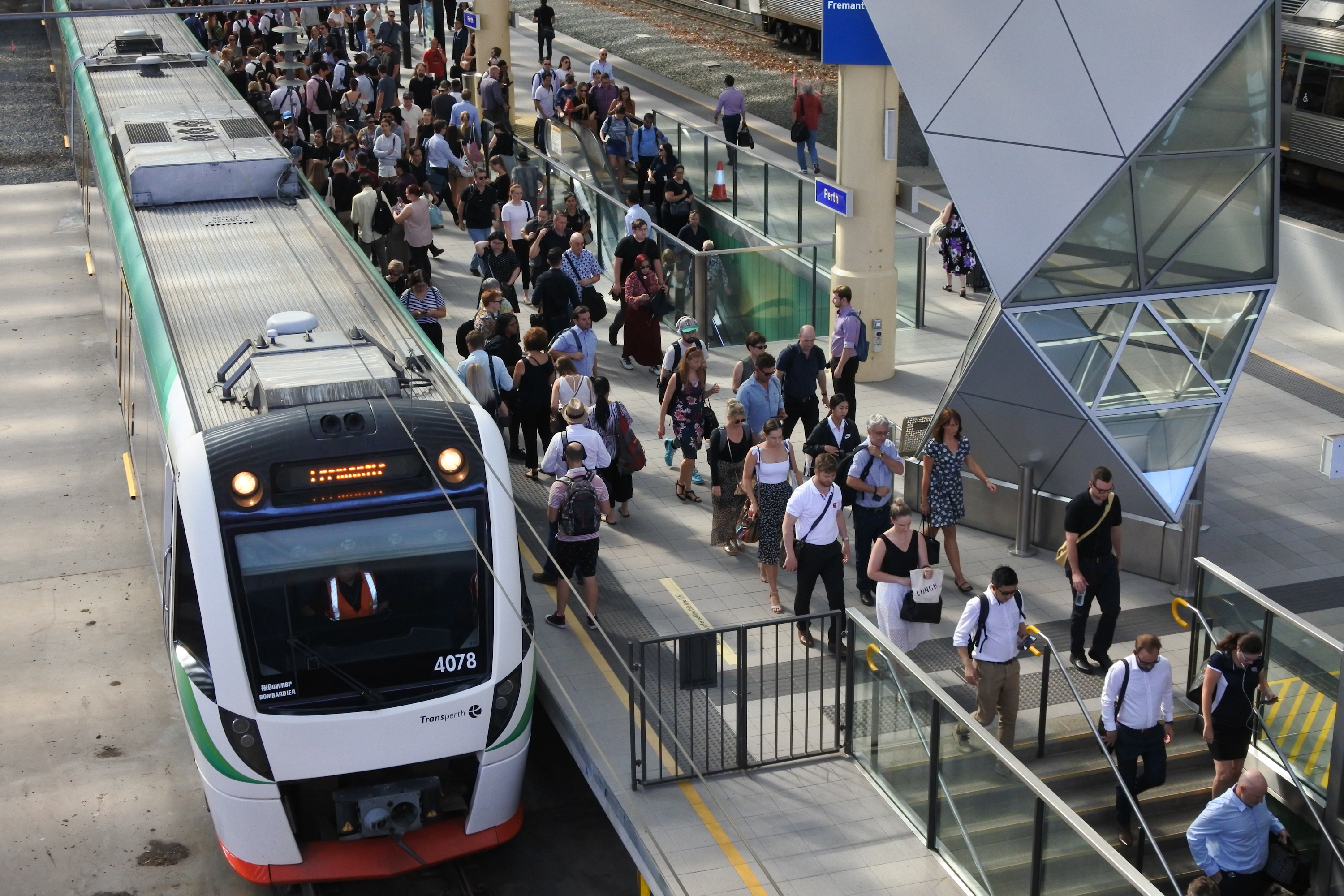
It is considered rude and poor public transport etiquette to push onto a train before passengers have had a chance to get off. "Always stand to the side of the doors while the train stops, allow passengers to completely exit first, then board the train in a considerate manner. This keeps the passenger flow smooth and safer."
When People Stay Seated Even When Asked to Move So You Can Disembark
One of the most frustrating experiences is when people stay seated even when asked to move so others can disembark. "If someone's stop is approaching, good etiquette is to start moving toward the doors in advance (when practical), make space for others to pass and always avoid blocking aisles or doorways," said Hardy.
"When getting close to your stop, start preparing for your exit."
Additional Tips for Public Transport Etiquette
- Always use headphones when listening to music or watching videos.
- Keep your belongings to yourself and avoid blocking seats.
- Offer your seat to those who need it more.
- Cover your mouth when coughing or sneezing.
- Allow passengers to disembark before boarding the train.
Post a Comment for "Disgusting Bus Incident: The Unspoken Rules of Public Transport"