
Dowry's New Face: Experts on Enduring Mindset
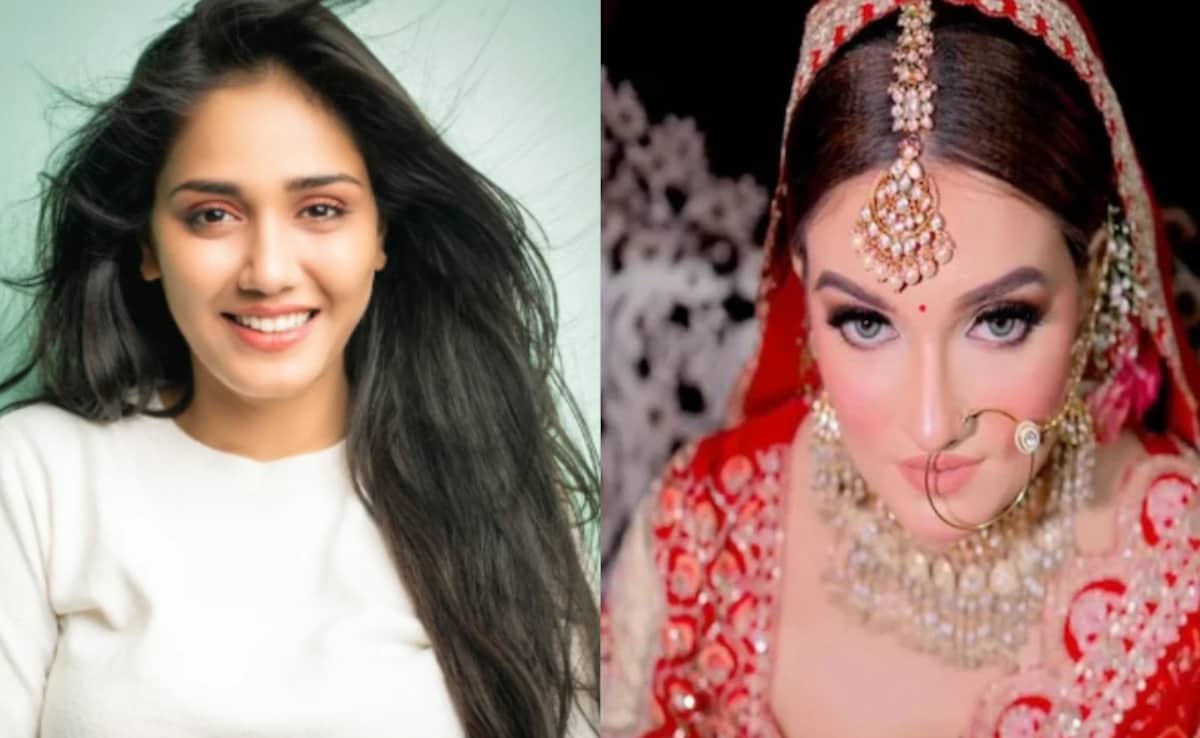
Two Tragic Cases Highlight Persistent Issues of Dowry and Domestic Violence
The recent deaths of two young married women in different cities—Twisha in Bhopal and Deepika in Noida—have once again brought attention to the deep-rooted issues of dowry-related harassment and domestic violence in India. These incidents have sparked a national debate about why such cases continue to occur despite higher education levels, urbanization, and more modern approaches to marriage.
Though the two cases occurred in separate locations, they share several similarities. In both instances, families have accused the husbands and in-laws of persistent harassment linked to dowry demands, along with mental cruelty and domestic discord leading up to the women's deaths. Authorities in both cases have stated that investigations are ongoing, and conclusions will be based on evidence gathered during the legal process. However, these tragedies have reignited a larger conversation: Are dowry deaths making a comeback, or have they simply become more hidden under the guise of modern marriage?
Two Cases, Similar Allegations
In Bhopal, Twisha’s death is being investigated after her parents alleged that her husband and in-laws subjected her to repeated harassment related to dowry demands, as well as mental cruelty and domestic conflict. Twisha had met her husband, from a well-known family with a legal background, through a dating platform. The police have registered a case under provisions related to cruelty by the husband or his relatives and dowry death. Investigators are currently examining medical and forensic evidence while collecting witness statements. Meanwhile, her in-laws have made their own allegations against her, including claims about substance use.
In Noida, Deepika was found dead at her matrimonial home. Her family has alleged sustained harassment and intimidation due to dowry demands. Among the allegations made by her family were demands for a Fortuner SUV and an additional Rs 51 lakh. The police have initiated proceedings under relevant provisions related to dowry death and domestic cruelty, stating that forensic findings and witness testimonies will determine whether criminal liability arises.
Has Dowry Changed Its Form?
These two cases, occurring in urban, educated settings where marriages often involve background checks, social media visibility, and elaborate pre-wedding negotiations, have raised questions about whether modernity has truly transformed marriages or merely repackaged older expectations. Urban marriages today often involve detailed scrutiny of education, income, profession, family background, and even social media presence. Yet experts say financial expectations surrounding marriage frequently remain embedded in socially acceptable language.
Sociologist and activist Ranjana Kumari pointed out that dowry remains deeply entrenched despite changing social realities. “In large parts of rural India, there is still no question of not giving dowry,” she said. According to her, urban families often continue similar practices through indirect financial pressure. “Even in urban and middle-class families, there is arm-twisting over where the wedding will be held, who will pay the cost, and how many days it will continue. Directly or indirectly, the expenses are pushed onto the girl's family,” she added.
She also highlighted that the burden often continues after marriage. “The costs do not end with the wedding. Monetary expectations continue even after marriage.” Addressing the debate around alleged misuse of dowry laws, Kumari said such arguments cannot overshadow continuing abuse and deaths linked to dowry. “Some say dowry laws are misused. But even if one girl is dying because of dowry, that is a harsh reality we cannot ignore,” she said. Referring to allegations levelled against Twisha after her death, Kumari emphasized that victim-blaming remains deeply entrenched in India. “Victim-blaming is a practice here, and the entire system is biased against women,” she said.
‘The Vocabulary Has Changed’
Senior advocate Vikas Pahwa noted that the two cases reflect a familiar contradiction in modern India. “Dowry in India has not disappeared; it has merely changed its language and presentation,” he said. “Earlier, dowry demands were often direct and explicit. Today, they are frequently disguised as discussions around ‘status,’ ‘lifestyle expectations,’ ‘financial compatibility,’ ‘wedding standards,’ ‘gifts’ or ‘social matching.’ The vocabulary has changed, but the mindset in many cases has not,” he added.
He said the cases are particularly troubling because they emerge from socially privileged settings where greater equality might be expected. According to the senior advocate, there is an increasing normalisation of financial negotiations around marriage, often framed in socially acceptable language. Families may avoid openly calling it dowry, he said, but indirect expectations linked to cash, property, luxury spending, cars, housing arrangements, or continuing financial support continue to persist.
Pahwa also pointed to what he described as a contradiction in contemporary arranged marriages. “Today, marriages undergo extensive scrutiny — education, profession, income, family background, social media presence, and lifestyle habits are all examined carefully. Yet basic human compatibility, emotional maturity, and mutual respect are often overlooked,” he said. “A marriage cannot become a commercial alliance dressed up as social prestige,” he added.
While noting that laws against dowry already exist, the senior advocate said social conditioning remains far more powerful. “Unless society stops treating marriage as a transaction and starts treating women as equal individuals rather than financial contributors to status, such incidents will continue to haunt us,” he said. He concluded that the deaths of Twisha and Deepika should not be viewed merely as isolated criminal cases. “These cases are reminders that modernity in appearance does not necessarily mean progress in mindset,” he said.
Post a Comment for "Dowry's New Face: Experts on Enduring Mindset"