
The Growing Ebola Outbreak in the Democratic Republic of Congo
An outbreak of Ebola is spreading rapidly through eastern Democratic Republic of Congo (DRC), prompting urgent action from health workers and humanitarian groups. With over 100 deaths reported and cases now appearing in neighboring Uganda, Rwanda and South Sudan have raised their alert levels. This situation has drawn attention from former UK government ministers who are warning that the current crisis could serve as a "wake-up call" regarding the consequences of reducing international aid.
The epicenter of this outbreak is Ituri province, where more than 390 suspected cases have been reported. According to Jean Kaseya, head of the Africa Centres for Disease Control and Prevention, there are at least 500 confirmed cases in total. An American doctor has recently tested positive for the virus in Bunia, the capital of Ituri province, highlighting the global reach of this health emergency.
Donald Trump has expressed concern about the outbreak, with the US Centers for Disease Control and Prevention stating that a small number of Americans directly affected by the outbreak are being withdrawn from the area.
Rory Stewart, a former UK minister for Africa during the 2018 Ebola outbreak, emphasized the strong link between aid cuts by the US and UK governments and the emergence of such outbreaks. He highlighted the importance of maintaining infrastructure for detecting and responding to health threats, noting that these systems are being undermined. "Pandemic preparedness requires people on the ground in places like DRC or Uganda who can detect cases, respond to them, quarantine and prepare responses," he said.
Stewart warned that this outbreak serves as a "canary in the coal mine" for future global health challenges. He urged people to recognize the dangers posed by not addressing such issues directly.
Jean Pierre Badombo, former mayor of Mongbwalu, a mining town in Ituri, described how the outbreak began after a large open-casket funeral procession in April, leading to a cascade of deaths. The World Health Organisation (WHO) declared the outbreak a public health emergency of international concern, confirming a strain of Ebola known as Bundibugyo virus disease on 14 May.
There is currently no approved vaccine or targeted treatment for this strain, and the WHO warns that the true scale of infections may be much higher than official figures suggest. The Bundibugyo strain has only caused two previous outbreaks, neither within the last decade, and its epidemiology remains poorly understood.
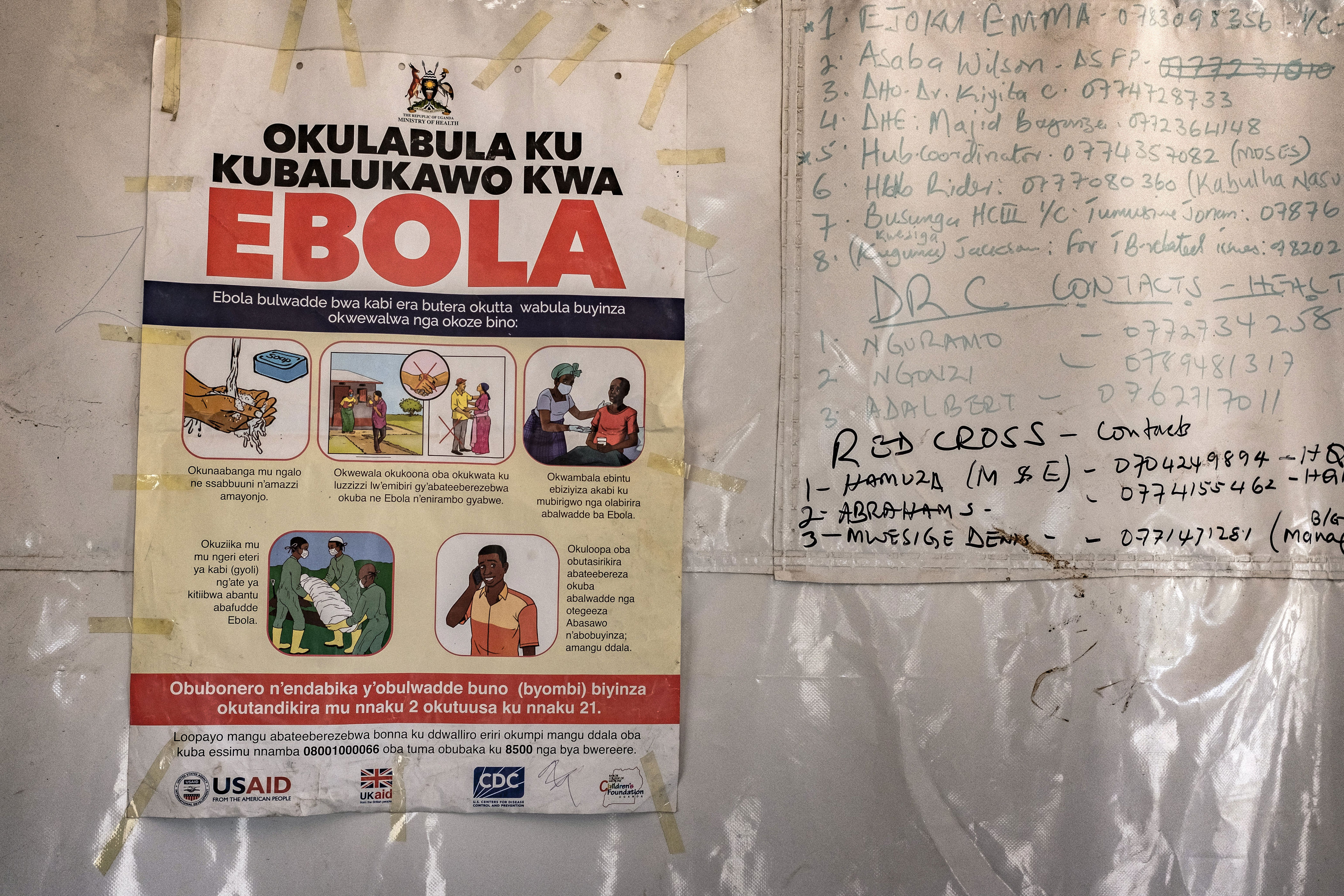
Jennifer Nuzzo, director of the Pandemic Centre at Brown University, stated that the lack of treatments and scientific understanding means researchers are "flying blind and fighting the virus with both arms tied behind our backs."
US foreign assistance spending fell by nearly 57 per cent after the Trump administration dismantled the United States Agency for International Development (USAID) after the president returned to the White House for a second term. This has led to reduced funding for laboratory networks, disease surveillance programs, and emergency response capacity across the continent.
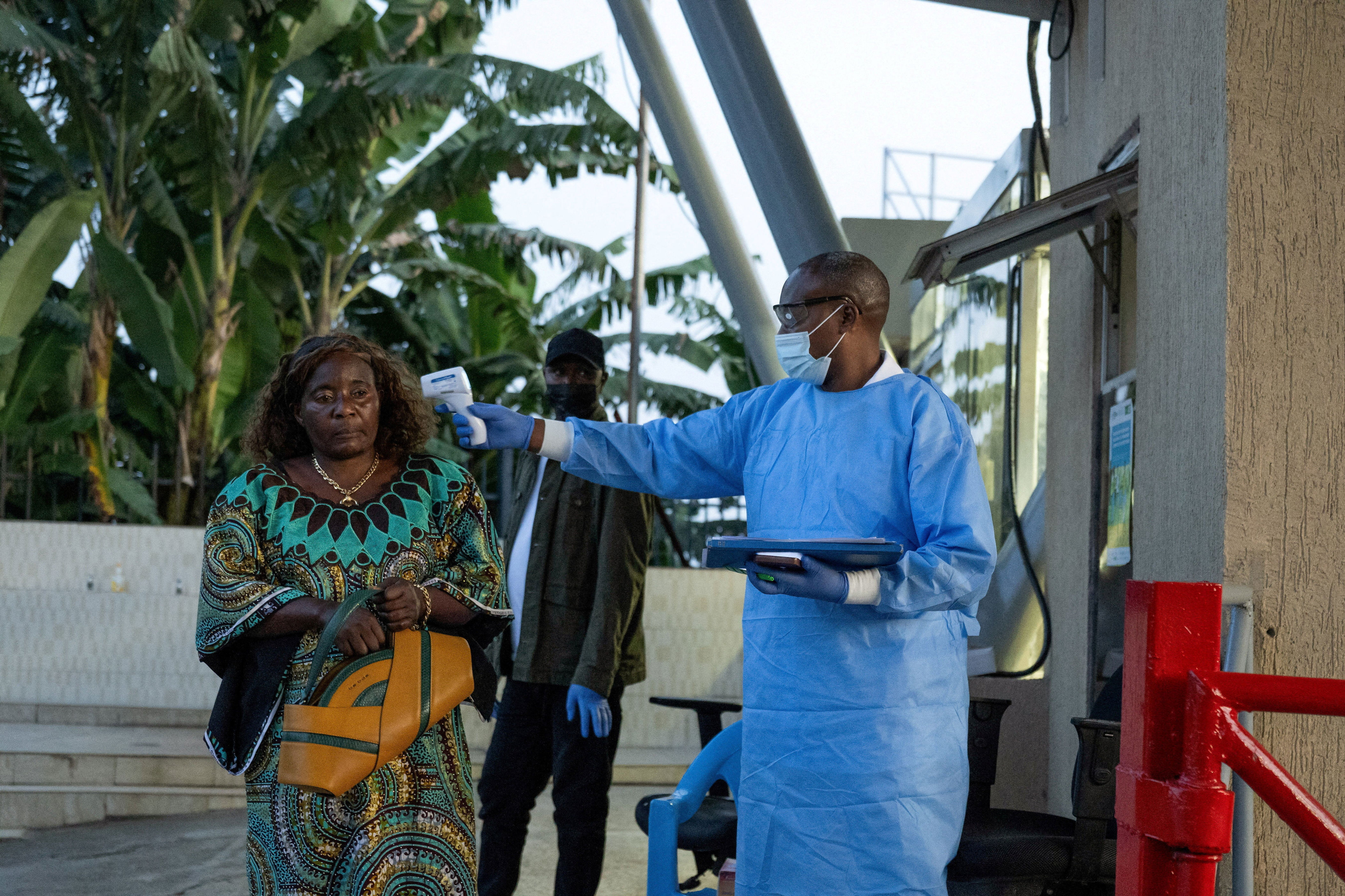
Jeremy Konyndyk, a former USAID official, wrote on X that the dismantling of US-funded health programming in DRC is likely a major factor in why this outbreak was detected so late. He warned that the WHO, which mounted one of its largest-ever deployments to help contain the 2018 DRC outbreak, is now struggling due to the withdrawal of US funding. This has cut the agency's emergency budget for health emergencies by 37 per cent and forced it to lay off thousands of staff.
Ms Nuzzo noted that the outbreak reflects the cumulative effects of cuts to global health programs, which have reduced the attention given to public health threats. Lawrence Gostin, a university professor at Georgetown, agreed that the situation shows weakened health systems, including late detection, ongoing uncontrolled spread, and deep distrust of public health workers.
This article has been produced as part of The Independent’s Rethinking Global Aid project. Since 1986, The Independent has campaigned for what we believe in, not what we are told to believe, with integrity, inclusion, innovation and independence as our guiding principles.


No comments:
Post a Comment