
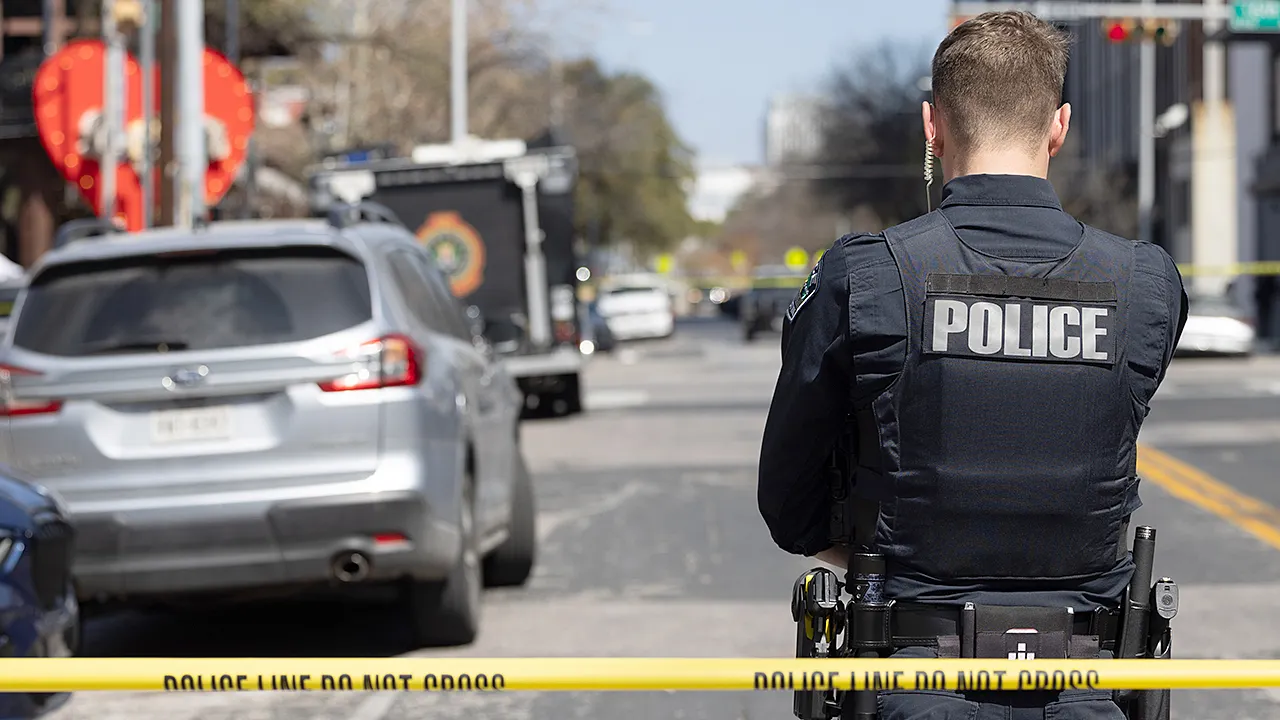
After a 24-hour shooting rampage in Austin, Texas, that resulted in four injuries and involved 12 separate incidents, a former police officer has criticized the city council for limiting the tools available to local law enforcement. The incident, which included shootings at a fire station and multiple random attacks, saw three teenage suspects arrested over the weekend.
The suspects, all under the age of 18, were taken into custody in Austin and neighboring Manor, Texas. They are accused of stealing four cars during the spree. The 17-year-old suspect, Cristian Mondragon-Fajardo, is the only one named publicly due to his age, as he is legally responsible for his actions under Texas law. He faces multiple charges, including aggravated assault with a deadly weapon, unauthorized use of a motor vehicle, and theft of a firearm. Another suspect, a 15-year-old, is also alleged to have stolen a weapon from the same store on Saturday.
Dennis Farris, a retired Austin police officer and president of the Austin Police Retired Officers' Association, believes that the city's police department was hindered by the removal of critical technology last year. He claims that this decision was influenced by left-wing members of the city council and local activists.
Farris pointed to the removal of license plate reading technology from the Austin Police Department as a key issue. The city had previously used Flock Safety’s system, but it was discontinued after pressure from activists. One of their main concerns was the potential sharing of data with federal immigration officials, which could lead to the arrest of undocumented individuals.
However, Farris emphasized that the Austin Police Department rarely interacts with U.S. Immigration and Customs Enforcement (ICE). He said that after a one-year trial period, activists decided they did not like the cameras and continued to push for their removal.
Farris described the city council as being heavily influenced by activist groups, many of whom frequently attend council meetings to voice their concerns about police activities. While he acknowledged that some council members are not part of these activist groups, he claimed that others are "far-left liberal radicals" who prioritize defunding the police over ensuring public safety.
He also highlighted the role of the Flock Safety technology in the nearby city of Manor, where it helped authorities capture the suspects. Farris argued that if similar technology had been available in Austin, the shooting spree might have been prevented or at least contained earlier.

"The idea is that we need to give the police the tools they need to do their job with safeguards in place," Farris said. "What this council needs to do is take the handcuffs off the Austin Police Department and let them do the job."
Mayor Kirk Watson echoed Farris’s sentiments, acknowledging the potential benefits of license plate readers in preventing such incidents. He mentioned that the city council had passed the TRUST Act, which provides a framework for the use of surveillance technology while requiring approval from the council before implementation.
The TRUST Act, which stands for the Transparent and Responsible Use of Surveillance Technology Act, allows for the use of certain public safety features like license plate readers. However, it also bans facial recognition technology and requires departments to disclose how data will be obtained and stored.

Watson stressed the importance of balancing privacy with public safety, stating that residents should feel both secure and protected. Council Member Marc Duchen also supported the use of license plate readers, emphasizing the need for law enforcement to have the necessary tools to prevent future incidents.
"We must make sure that as we move forward, we find balance between protecting the privacy of our residents with the need and desire of our residents to feel and be safe," Watson said.
Duchen added that protecting the safety of Austin residents is a top priority and praised the police department’s response to the recent crimes. He expressed openness to discussing the use of resources that meet both safety and privacy standards.
Fox News Digital reached out to the city council, Austin police, and Flock Safety for further comments. The debate over the use of surveillance technology continues, with advocates arguing that it can help prevent crime and protect communities, while critics raise concerns about privacy and potential misuse.


No comments:
Post a Comment