
Soderbergh's AI-Driven Doc on John Lennon
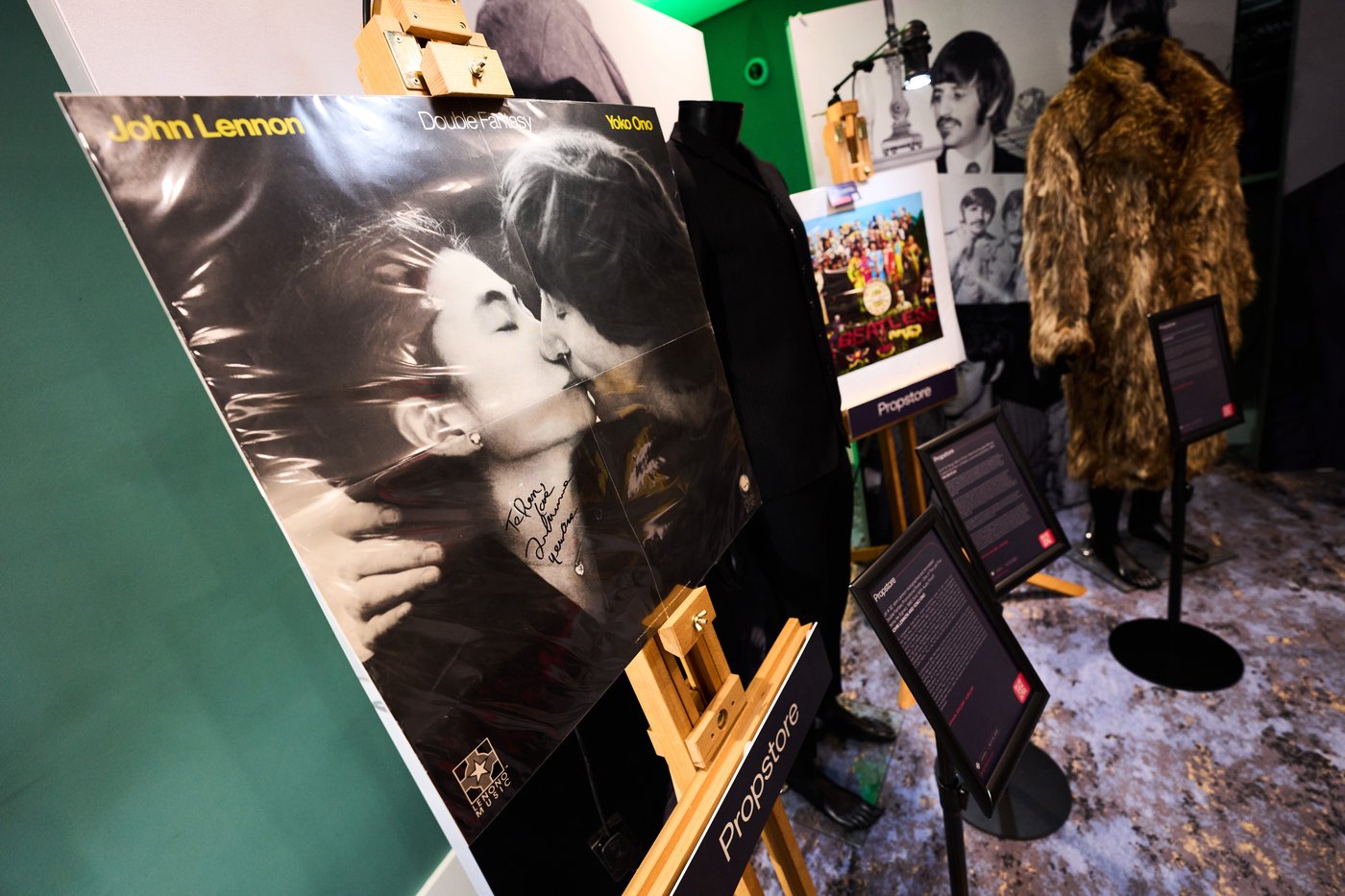
CANNES, France (AP) — On the day John Lennon was shot, December 8, 1980, he and Yoko Ono gave an interview to a San Francisco radio crew from their home in New York's Dakota Apartments. The conversation was part of their promotion for the album "Double Fantasy," but it went far beyond that. The two-hour discussion covered a wide range of topics, including love, their relationship, creativity, life after the Beatles, raising their young son, and writing songs in bed. Despite being warned not to ask about the Beatles, Lennon and Ono were refreshingly open and candid. That same day, Annie Leibovitz captured the iconic image of a naked Lennon wrapped around Ono.
The interview itself is just as revealing. Lennon, at 40, sounds like someone who has found clarity and peace. “I feel like nothing happened before today,” he says. This raw and honest dialogue forms the basis of "John Lennon: The Last Interview," a documentary directed by Steven Soderbergh. The film premiered at the Cannes Film Festival and offers a unique look into the mind of one of the most influential musicians of the 20th century.
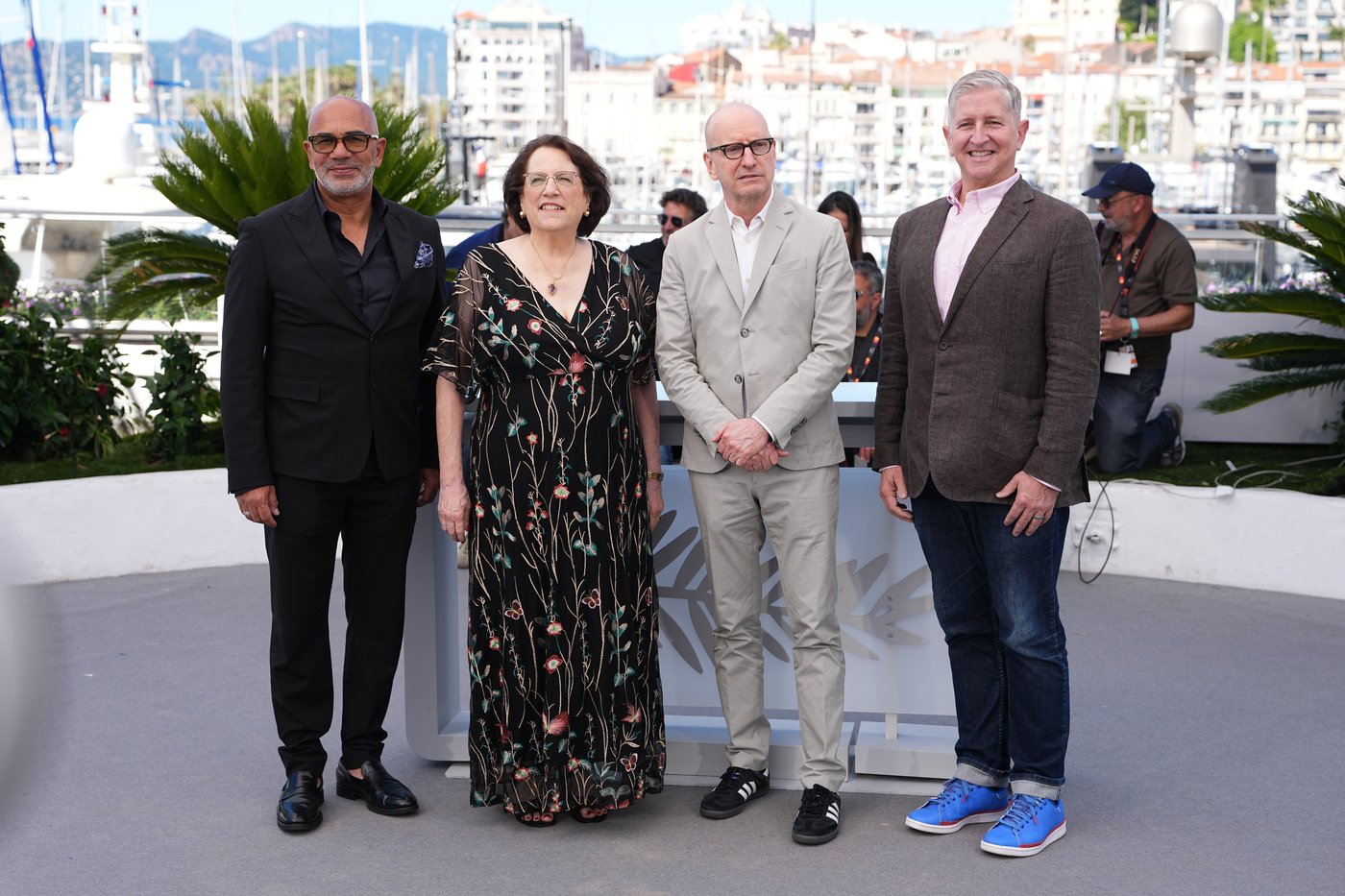
Soderbergh describes the interview as a moment where the world seemed to unfold in real time within that apartment. He aimed to let the audio speak for itself, but this posed a challenge. While he could visualize much of the film, there were moments when the conversation became more philosophical, leaving a gap in the visual narrative. To fill this void, Soderbergh turned to Meta’s artificial intelligence software, using it to create surreal imagery for about 10% of the film. This decision sparked controversy, especially given the context of the film and the use of AI in creative industries.
The AI-generated sequences, while not groundbreaking, have ignited a broader conversation about the role of AI in filmmaking. Soderbergh, known for his experimental approach, is eager to engage with this debate. He acknowledges the emotional response from critics and audiences but emphasizes the importance of transparency in the use of such technology.
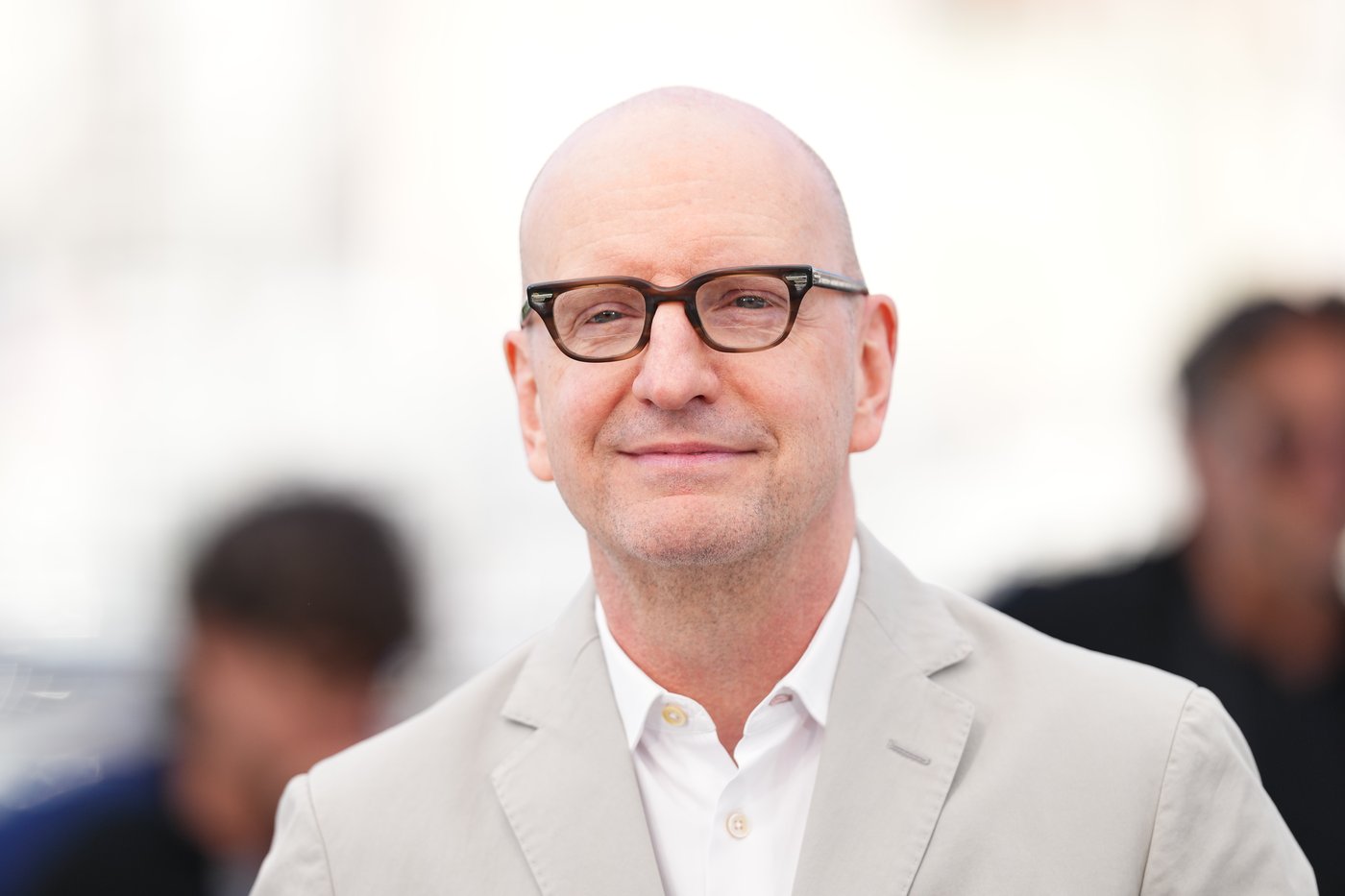
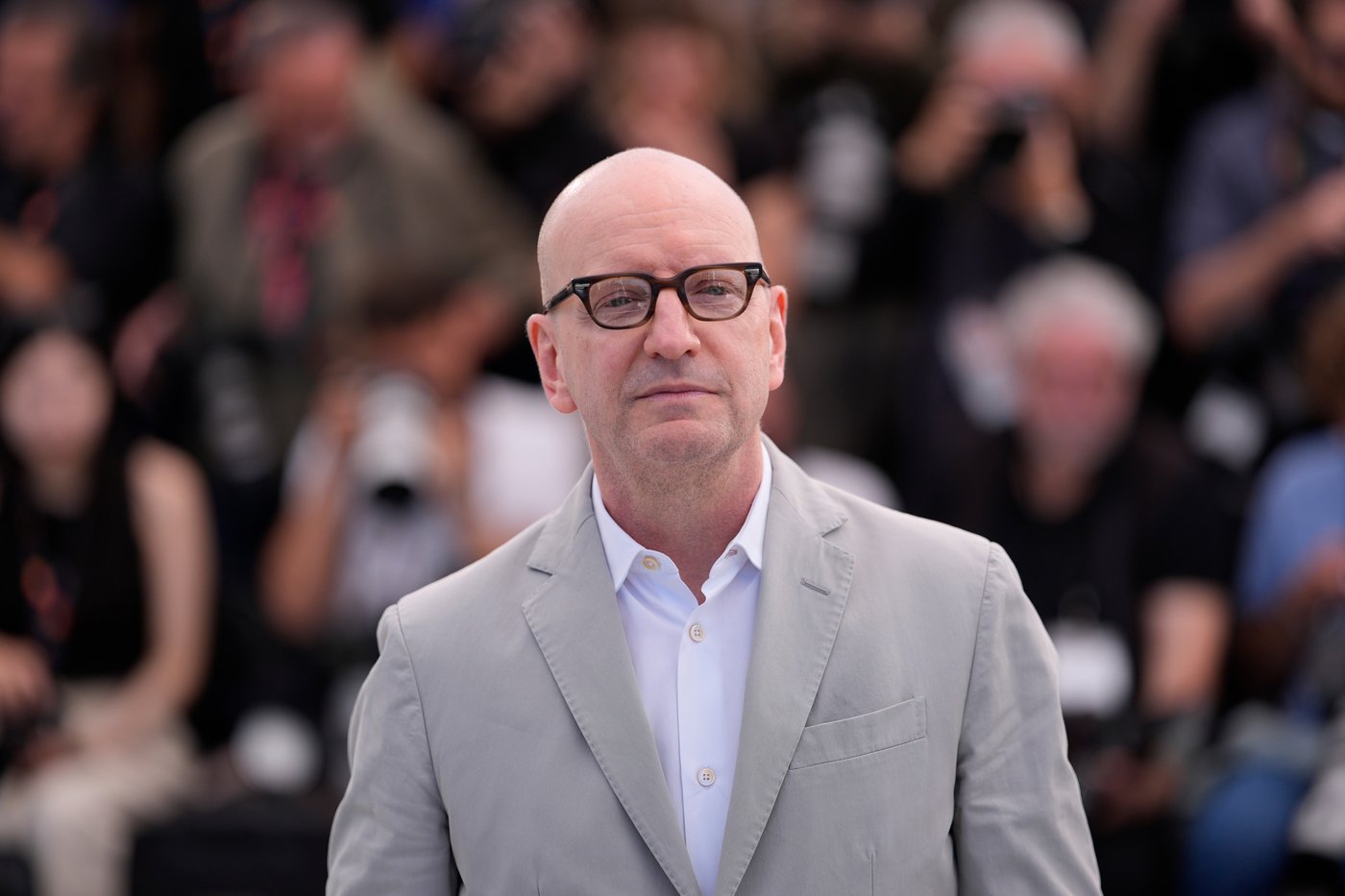
When asked about the backlash, Soderbergh explained that he anticipated the reaction. He believes in being upfront about how he creates his art, even if it means facing criticism. “I’m like my own whistle blower: ‘This is what he’s doing,’” he said. He also admitted that accepting Meta’s offer came with the understanding that it would draw scrutiny.
Soderbergh sees AI not as a threat but as a tool that can enhance storytelling. He argues that while AI may be able to produce technically perfect content, it cannot replace the human element in filmmaking. “Imperfection becomes more valuable and more interesting,” he said. He is cautious about its use, setting a personal rule: it must be necessary and the best way to achieve his vision.
Soderbergh shared insights into how he worked with the AI program, describing the prompts he used, such as circles of light and symbolic images like a black rose transforming into a red one. He noted the difficulty in conveying his vision to the developers but appreciated the ability to quickly see and respond to the generated visuals.
He also addressed the ethical and aesthetic debates surrounding AI in film. While the documentary features a deeply human conversation, Soderbergh felt the need to visually accompany it. He believes the industry will eventually find a balance with AI, though each creative field will interact with it differently. “Our inherent desire to have a simple template for how this is to be approached is part of the problem,” he said.
Despite the challenges, Soderbergh hopes viewers will take away the inspiration from Lennon’s honesty and his commitment to creating a better world. “He told the truth about everything from the jump, right up through the last day of his life,” he said. “He was built that way.”
Post a Comment for "Soderbergh's AI-Driven Doc on John Lennon"