
Strong April GDP growth signals no recession in Canada: experts
Economic Recovery in April Offers Hope
Ottawa — The Canadian economy showed a strong rebound in April, with growth that was enough to dispel concerns about a potential recession, according to economists analyzing the latest data. According to Statistics Canada, real gross domestic product (GDP) increased by 0.5 per cent in April, marking the fastest monthly growth rate since July 2025. This surpassed the initial estimate of 0.4 per cent for the month.
The agency also reported that growth slowed slightly in May but remained positive at 0.1 per cent. However, these early estimates will be revised in July. Earlier in the year, an economic contraction in the first quarter sparked discussions about a possible recession, although most economists had already argued that the term was premature. The April GDP figures have reinforced this view.
Andrew DiCapua, principal economist for the Canadian Chamber of Commerce, stated in a media release: "This is not an economy in recession. April’s GDP rebound shows the economy is still chugging along, even if growth remains sluggish and not especially strong."
Doug Porter, BMO's chief economist, called the previous two quarters' recession talk a "false alarm." He cautioned against overemphasizing a single month of economic data but said the April GDP reading should put an end to the idea that Canada is in a recession. "It's struggling to grow, there's no two ways about it. It had been in a pretty serious lull over the past year, but I think by most traditional measures, other than GDP, I don't think anybody would have considered us to be in a true recession," he added.
Key Drivers of Growth
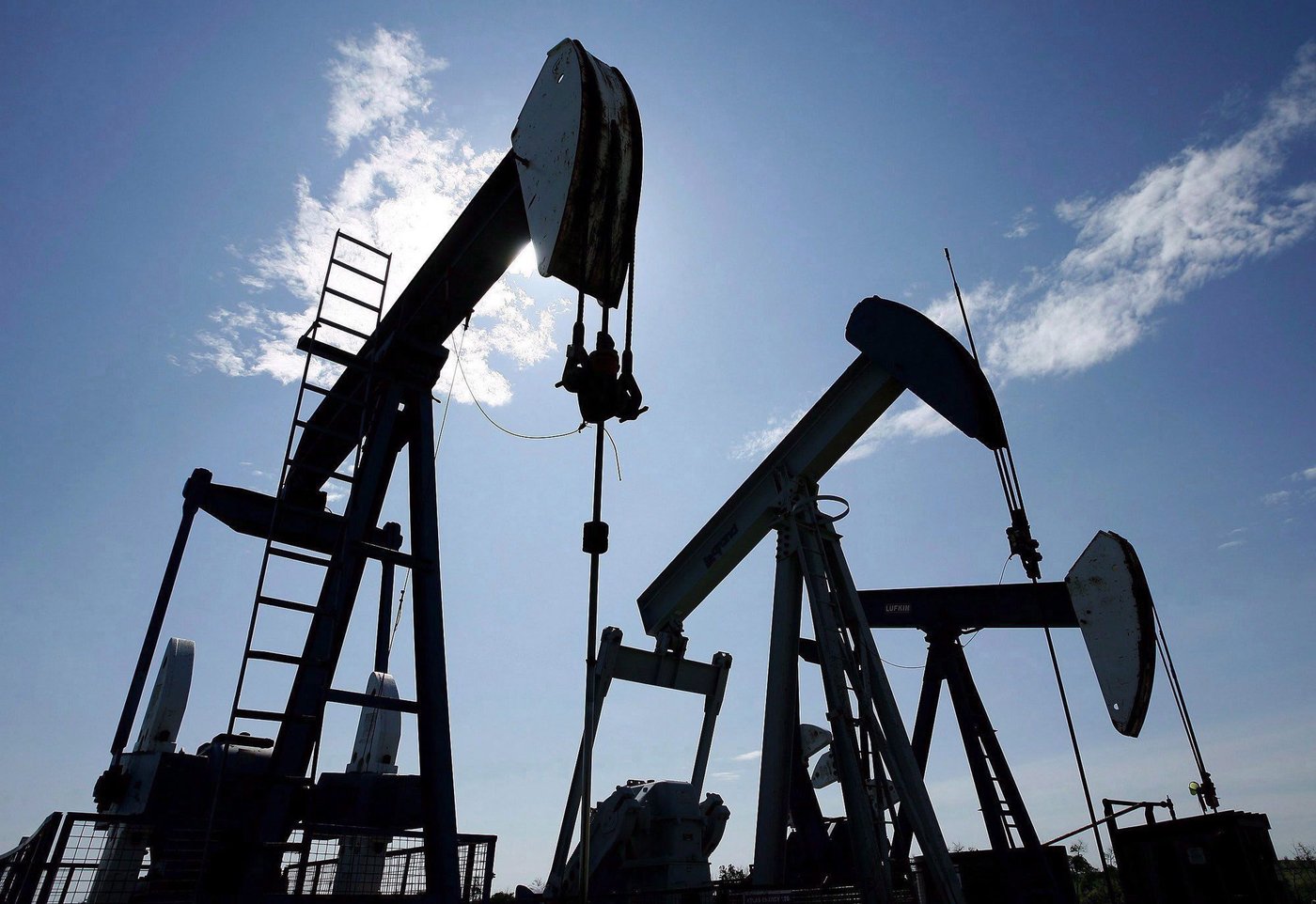
Oil and gas extraction saw a significant increase in April, driven by higher synthetic crude oil production. This came after unscheduled maintenance had slowed growth at the start of the year. However, growth was not limited to the energy sector. Statistics Canada reported that 14 out of 20 industries experienced growth in April, including manufacturing, construction, transportation, and warehousing, as well as the public sector. The construction industry saw a 0.7 per cent gain, its first increase in five months.
Porter suggested that some of the month's gains might be attributed to the economy recovering from a harsh winter that had hampered activity across multiple sectors. "It's almost as if, all at once, every single industry in Canada shook off the winter blues," he said.
Real estate agents and brokers were busier in April, marking the subsector’s first growth since August 2025. This was due to stronger home sales in the Greater Toronto Area.
Outlook for the Second Quarter
Thomas Ryan, North America economist with Capital Economics, noted that June could also see a boost from the FIFA World Cup. However, he pointed out that the first-quarter performance means growth in the first half of 2026 may still fall short of the Bank of Canada's expectations.
"While this should put a firm end to any debate about whether the economy is in recession, growth over the first half of the year is still set to average considerably below the Bank of Canada's forecast, supporting our view that rate hikes are a long way off," Ryan said.
The central bank is expected to keep its benchmark interest rate unchanged at 2.25 per cent for the sixth consecutive time at its next decision on July 15. Porter estimated that the second quarter could see growth exceeding two per cent annually, surpassing the Bank of Canada's forecast of 1.5 per cent.
Trade Uncertainty and Energy Sector Performance
Despite the positive signs, trade uncertainty continues to affect much of the economy, particularly industries like steel, aluminum, and auto manufacturing, which have been hit by U.S. tariffs. Porter noted that while the rest of the economy should continue growing modestly, clarity on trade issues is still lacking.
A separate report from Statistics Canada highlighted the energy sector's performance. Refined petroleum exports surged 69.7 per cent year-over-year as global prices rose due to the war in Iran. Crude oil and equivalents production increased by 4.2 per cent in April, marking the 11th consecutive month of year-over-year growth.
Oilsands extraction was the main contributor to the stronger activity in April, although offshore production in Newfoundland and Labrador reached its highest levels since March 2020. Crude oil exports to the United States via pipeline rose 8.8 per cent annually, while exports to Asia and Europe jumped 46.6 per cent. The agency cited the closure of the Strait of Hormuz and ongoing conflict in the Middle East as factors affecting crude oil supply from the region.
Post a Comment for "Strong April GDP growth signals no recession in Canada: experts"