
Timothée Chalamet and Why Guys Can't Be Heartthrobs
The Evolution of Timothée Chalamet and the Changing Landscape of Fandom
Several weeks ago, 59-year-old Simone Cromer, known for her role as the curator of the Club Chalamet fan account, announced that she would be shifting the focus of the account. Known for her dramatic online presence, including responding to critics on social media and writing long-form captions about Chalamet's award prospects, Cromer shared that she would now adopt a more publicist-like approach.
Moving forward, Club Chalamet will continue to support Chalamet’s upcoming release, Dune: Part Three, but will no longer post content that reflects the fiery and emotionally charged posts that have defined the account in recent years. This change comes amid a perceived shift in the fandom, which Cromer attributes to evolving tastes and expectations.
In a public statement on the Club Chalamet Instagram page, Cromer wrote, "So much has changed from what we all initially signed up for that it doesn't resemble what lured us here in the first place." She noted that the transformation began approximately one year ago, though some argue it started earlier — around April 2023, when Chalamet began dating Kylie Jenner.
This relationship marked a turning point in how Chalamet was perceived by fans. Once seen as the internet's "lead soft boy" and the reigning "White Boy of the Month," his image began to shift. Chalamet's rise to fame was built on a foundation of mass girl adoration, with roles like Call Me By Your Name (2017), Ladybird (2017), and Little Women (2019) portraying idealised boy archetypes that resonated deeply with audiences.
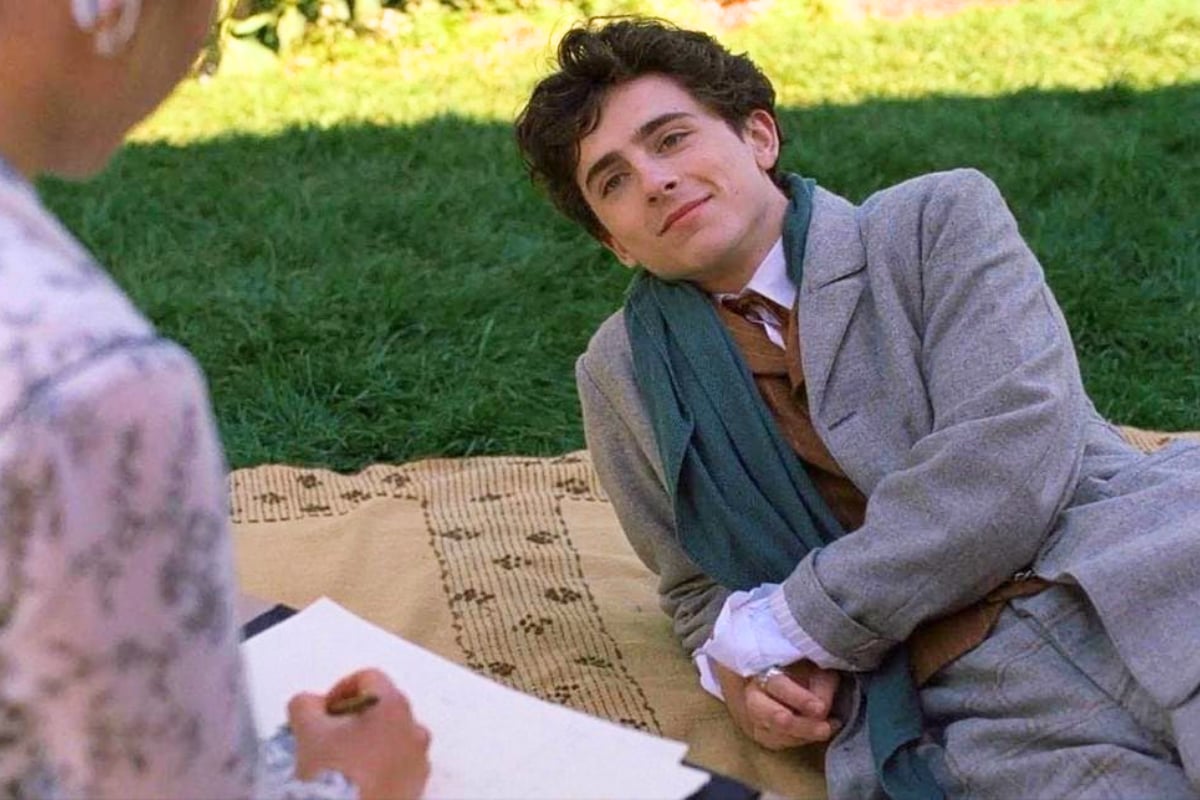
Chalamet's Little Women (2019). Image: Youtube.
Offscreen, he maintained a charming and bashful persona, often appearing nervous in interviews with a wide grin and hesitant speech. This only deepened his appeal, making fans feel connected to him beyond his on-screen personas.
By 2023, Chalamet had reached a level of fame comparable to that of 90s icons like Leonardo DiCaprio, securing a multi-year deal with Warner Brothers. His role in Wonka kept him in the good graces of his female fanbase, offering a lighthearted moment of entertainment during the holiday season.
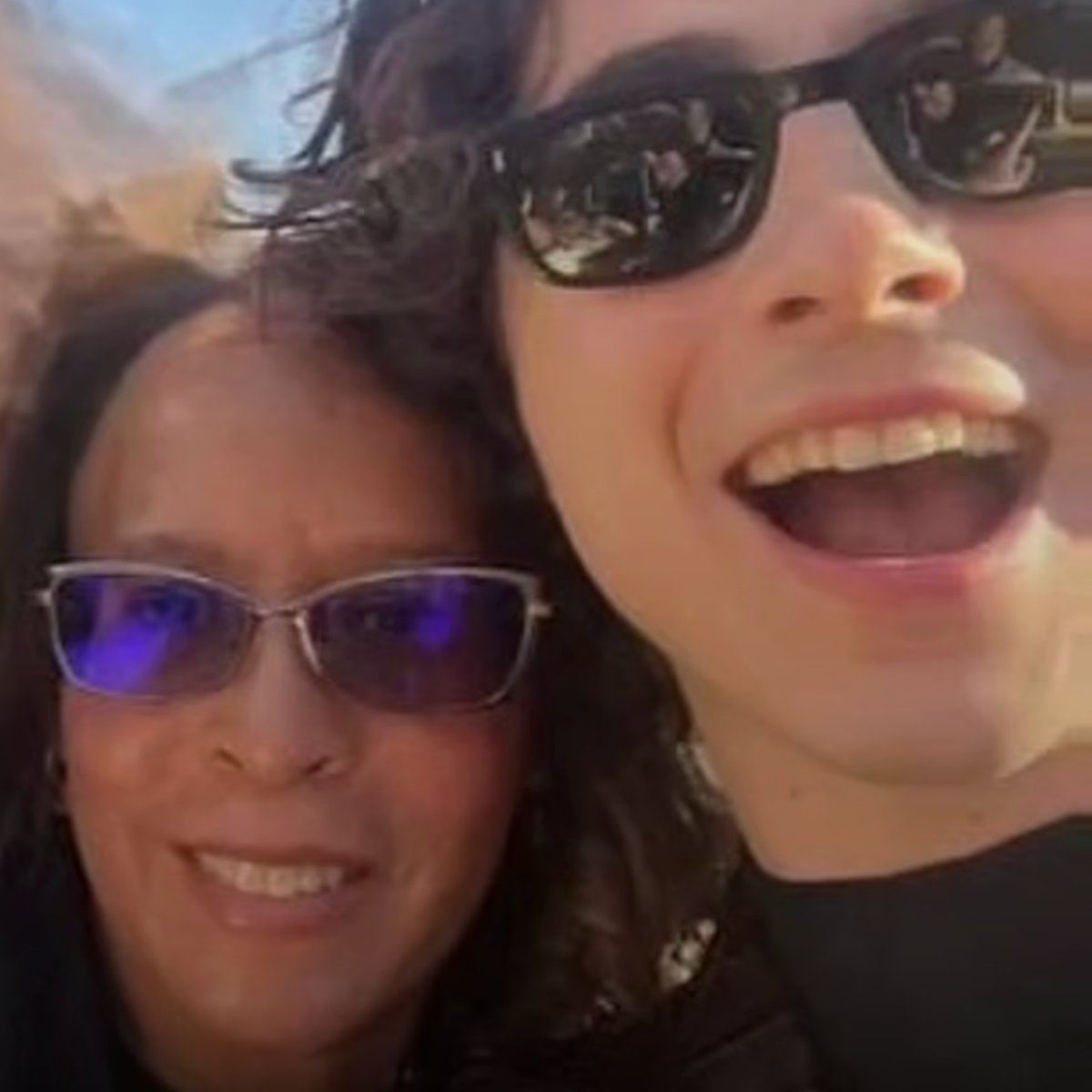
Simone Cromer who runs Club Chalamet. Image: Instagram/clubchalamet
However, after this, Chalamet's press strategy began to evolve. He started to embrace a more edgy and unconventional image, evident in his press tour for A Complete Unknown (2024). He wore Bob Dylan drag at premieres, rode a Lime bike onto the red carpet, and used Gen Z slang in interviews. These actions were made possible by his confidence in his relationship with Kylie Jenner, allowing him to act without fear of losing his appeal.
During his acceptance speech for his first Screen Actors Guild Award win, Chalamet spoke about his aspirations to be one of the greats, citing renowned actors and athletes as inspiration. This bold declaration contrasted with the quiet confidence typically associated with artists like DiCaprio or Day-Lewis.
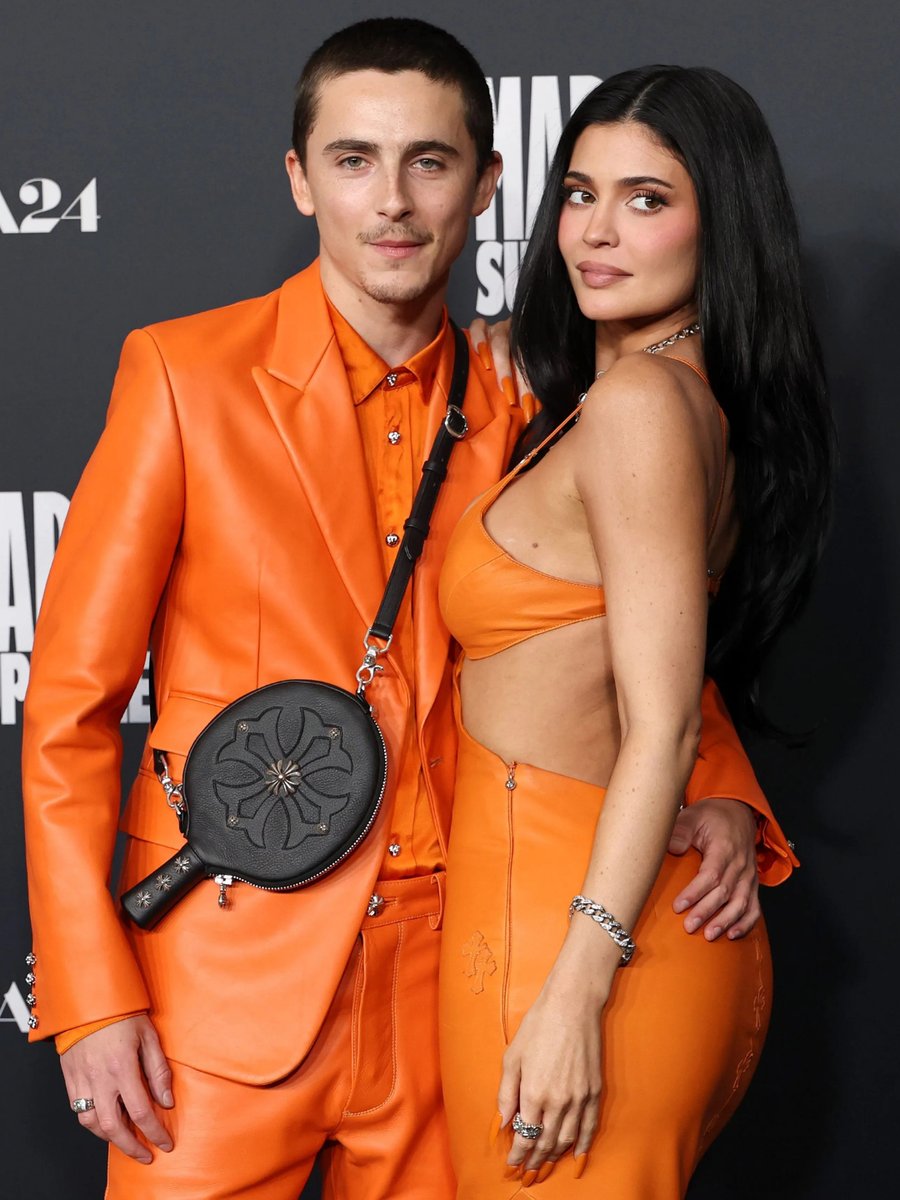
Timothée Chalamet and Kylie Jenner attending the Los Angeles premiere of Marty Supreme. Image: Getty.
The shift became more pronounced during the press tour for Marty Supreme, where Chalamet's behavior leaned toward buffoonery. His press swag included themed hoodies, Chrome Hearts accessories, and matching orange leather ensembles with Jenner. Accusations of using a "blaccent" emerged, and his participation in an EsDeekid song brought back high school SoundCloud rap vibes.
Looking back, these antics appeared to be a deliberate attempt to transition from a teenage heartthrob to a more bro-centric figure. This shift came to a head during a Variety x CNN Town Hall in front of students at the University of Texas, where Chalamet made a controversial comment about ballet and opera, stating they were "no one cares about anymore."
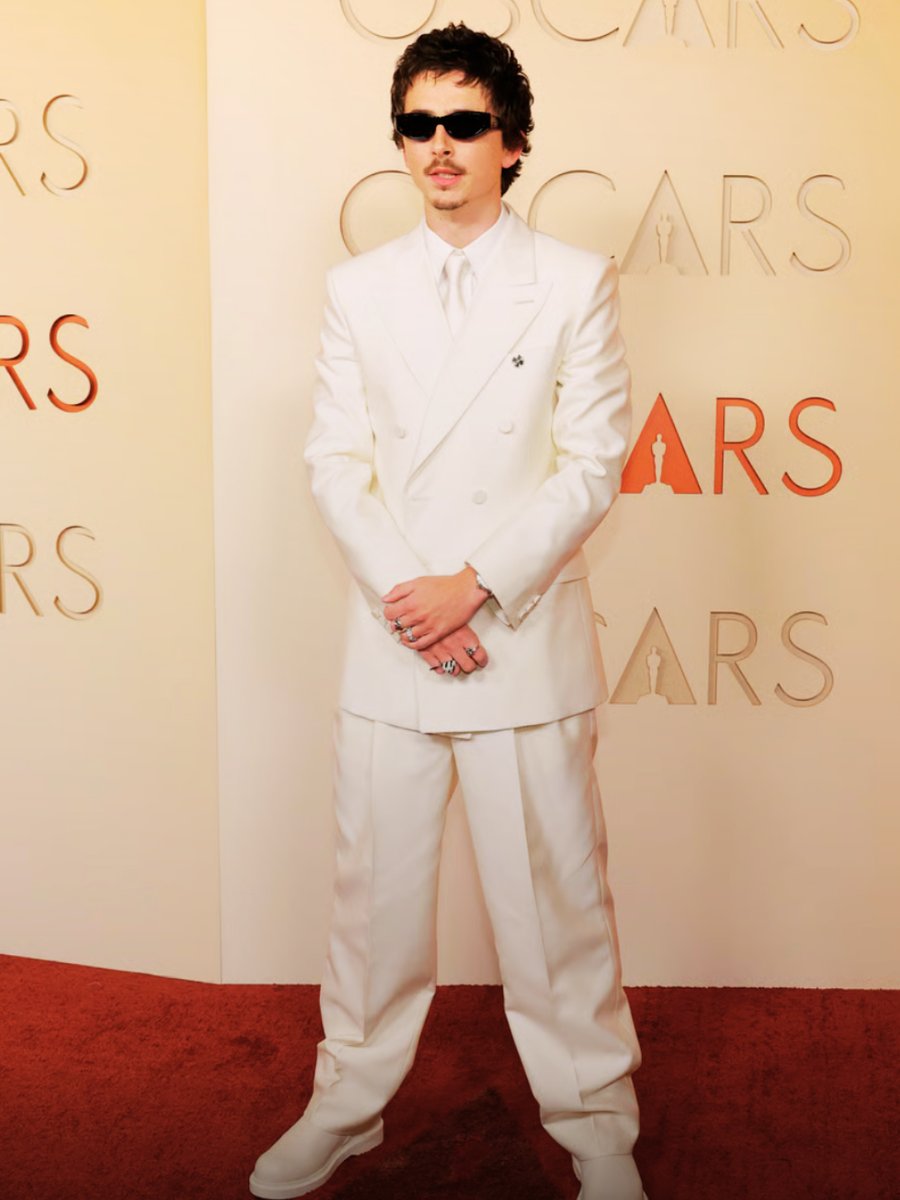
Timothée Chalamet at the Oscars. Image: Getty.
While many reacted strongly to this comment, some, like myself, understood the context. As a former ballet dancer, I recognized the issue of low attendance and fine arts illiteracy. However, the damage was done, and Chalamet had already been teetering on the edge of unpopularity.
This transformation mirrors that of Drake, who shifted from being a sensitive artist beloved by women to aligning with male-centric culture. Similar patterns can be observed in other artists, reflecting a broader cultural shift towards a "boy-centric" era.
The power of teenage girls as cultural tastemakers cannot be underestimated. Their enthusiasm drives trends, from concert tickets to merchandise, and their free promotional efforts are essential to an artist's success. Events like Rainbow Direction highlight the impact of fan-driven initiatives, showcasing the emotional investment of young fans.
Feature Image: Getty.
Artists who embrace this energy, like Harry Styles, have managed to maintain their relevance by staying true to their heartthrob image. In a 2017 Rolling Stones profile, Styles acknowledged the sincerity of teenage girl fans, emphasizing their genuine appreciation.
As the cultural landscape continues to evolve, it remains crucial for artists to understand and respect the dynamics of their fanbases. For Chalamet, the challenge lies in navigating this shifting terrain while maintaining the connection that once defined his career.
Post a Comment for "Timothée Chalamet and Why Guys Can't Be Heartthrobs"