
Top Upstate Cities Leading State's Growth Surge
WOODRUFF – Six years ago, Scurry’s on Main barber shop was one of only a few businesses operating on the city of Woodruff’s Main Street.
Derek Scurry, who has been cutting hair in Woodruff for more than 40 years, sat inside his barber shop on a recent Friday afternoon and recalled how it felt like a ghost town back then. But today, Woodruff’s population is growing at a faster rate than any other South Carolina city, bringing new business and life to the small Spartanburg County city.
Start the day smarter. Get all the news you need in your inbox each morning.
In April, Scurry had 17 new clients, and in just the week ending May 15, he had five more. “The growth in the city has been tremendous, in a happy way for me,” Scurry said.
Woodruff sees the fastest growth in the Upstate
South Carolina is currently one of the most popular states to move to, and the Upstate has seen particularly high growth. The city of Woodruff has the highest population percentage growth in the state, according to U.S. Census Bureau population data.
Between mid-2024 and mid-2025, Woodruff’s population grew by 16.8%, adding approximately 868 residents to the roughly 5-mile city that sits southwest of Greenville. Now, with more than 6,000 residents and counting, small-town life looks a little different to Woodruff natives.
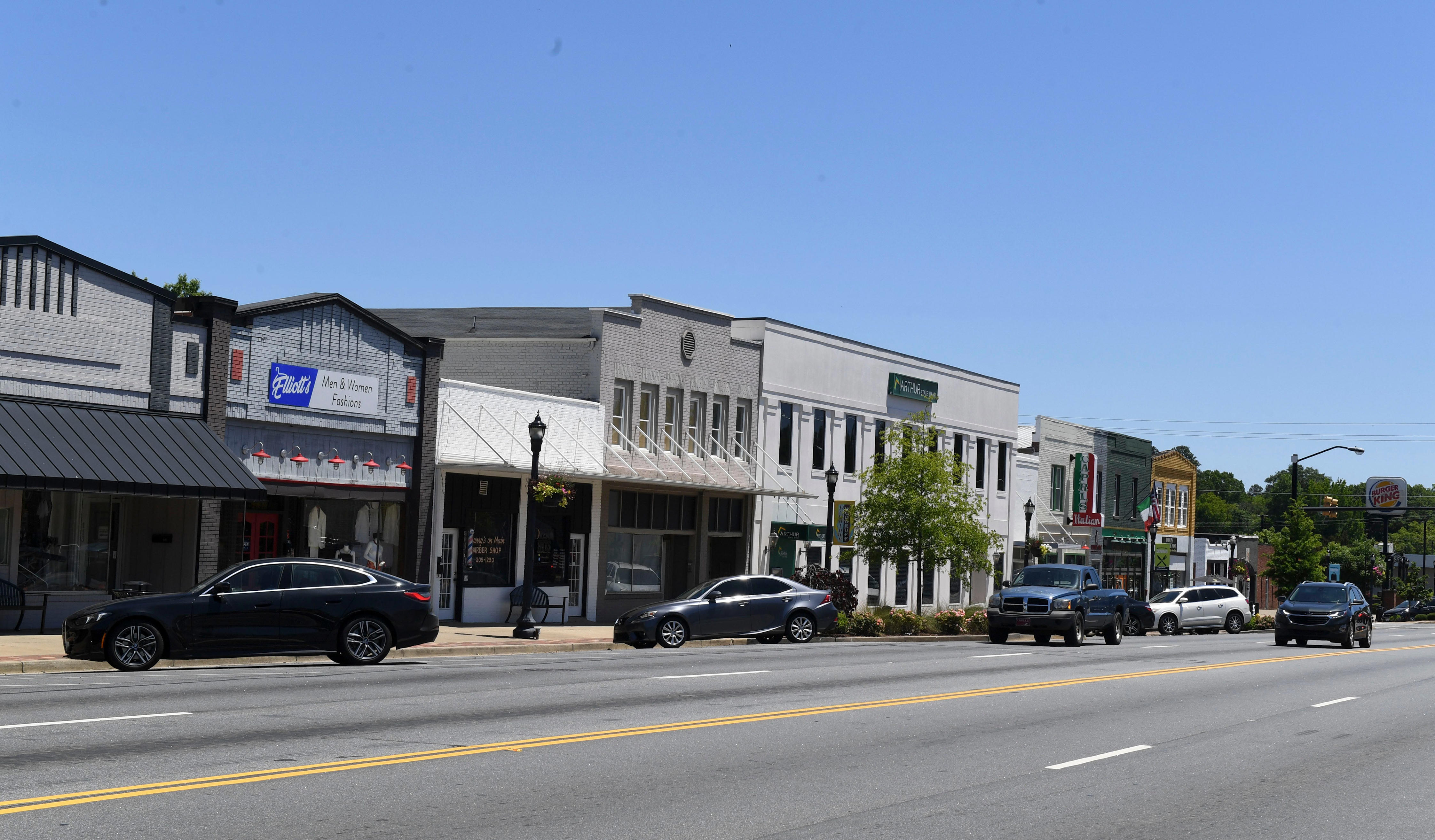
“Growing up, you went in somewhere, and you knew everybody,” longtime resident Beth Osteen said. “We would drive the streets, and your hands stayed up the whole time waving to everybody you passed.”
Osteen said that being out and not recognizing anyone these days can feel sad, but luckily, she can make friends with anyone. Her main concern with growth is whether Woodruff has the infrastructure to handle it, Osteen said.
Woodruff City Manager Lee Bailey said that it does. "With growth comes challenges and opportunities; however, Woodruff has been very proactive in addressing critical infrastructure needs ahead of that growth," Bailey said.
The city has added two new schools that will open in the 2026-27 school year, including its first public charter school. It’s expanded water and wastewater facilities, added downtown parking, and is constructing a new athletic complex.
"You will see more commercial offerings coming in the near future as retailers recognize the growth pattern and desire to be a part of it," Bailey said.
Bailey attributes the city’s growth to the quality of life and job opportunities it offers. Between AIRSYS Cooling Technologies choosing Woodruff for its new $60 million global headquarters and manufacturing site and BMW Group bringing its high-voltage battery assembly facility to the area, Bailey said that the jobs and growth are there.
“Woodruff has always had a strong culture of hard work, quality education, and a spirit of love for the community, and residents feel that when they move here," Bailey said.
For Scurry and his Main Street store, the growth reminds him of the way Woodruff used to be.

In the '80s, every building on Main Street was full, and there was traffic downtown, Scurry said. Then, in the '90s and 2000s, all of the jobs left Woodruff, and the business shut down.
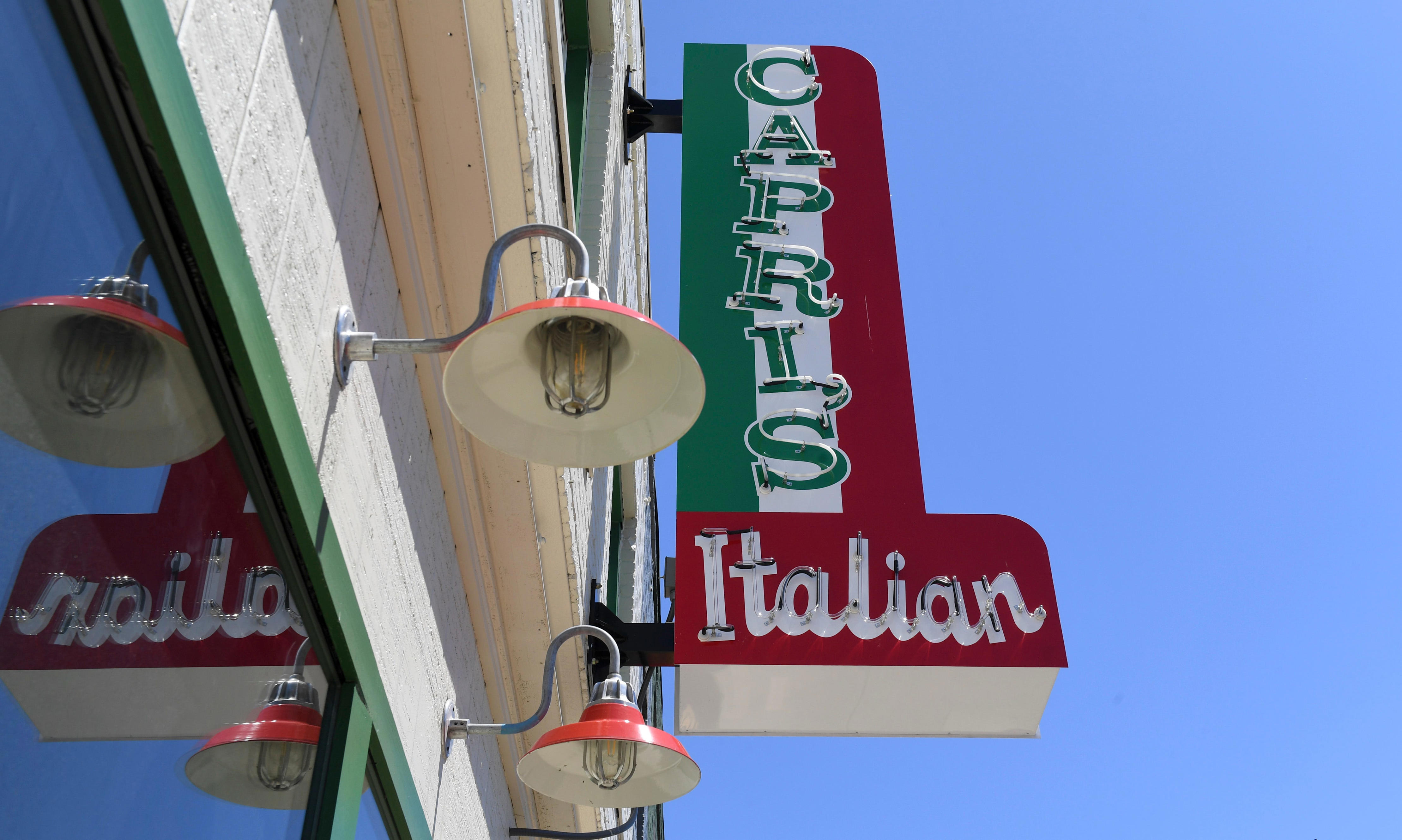
Now, Scurry said he gets excited to see people flooding Main Street in the evenings to dine at new restaurants like Capri’s Italian and Claudio’s Bistro. “I love it,” Scurry said. “I look at it as more people to minister to, more hair to cut.”
Small city growth is part of statewide, national trend
Woodruff’s growth is no anomaly. U.S. Census data shows that South Carolina’s small cities are growing much more rapidly than its larger ones. Greer is another hotspot. The once-quiet area has grown to become the Upstate’s second-largest city, behind Greenville.

Greer had approximately 3,412 new residents from 2024 to 2025, which is the highest numerical increase in the state and a 7.3% population increase.
The takeoff in popularity of once-small cities is part of a growing national trend. According to a recent U.S. Census Bureau report, small cities and towns across the country are experiencing the most growth, while populations in the largest cities are declining. The Upstate is no exception to the pattern.
The city of Greenville had 0.5% population growth from mid-2024 to mid-2025, adding 362 residents, census data shows. This brought the city’s population to just over 75,000. Meanwhile, Greer saw a 7.3% increase, Fountain Inn had a 6.47% increase, Mauldin's population grew 5.2%, Travelers Rest saw a 1.58% increase, and Easley saw a 1.29% increase.
Along with investment in new development and jobs, another main driver of small-city growth is housing affordability, according to Clemson University economics professor Curtis Simon. When a city is already full, it drives up the price of lots, making living there less accessible, Simon said.
“As the place fills in, you kind of naturally expect the growth to flow out to the smaller areas,” Simon said. “People say, ‘I would like to live in Greenville, but it’s kind of expensive, so we’ll just move out here and drive a little further.’”
Post a Comment for "Top Upstate Cities Leading State's Growth Surge"