
Traders bet against pound as Burnham enters PM race
Rising Concerns Over the Pound
Currency traders are increasingly betting against the British pound as political instability continues to affect the government. Recent data indicates a growing pessimism among speculators, who have been steadily increasing their sell positions in recent weeks. This shift in sentiment is driven by concerns over a potential move towards the left following an extended leadership challenge to Sir Keir Starmer.
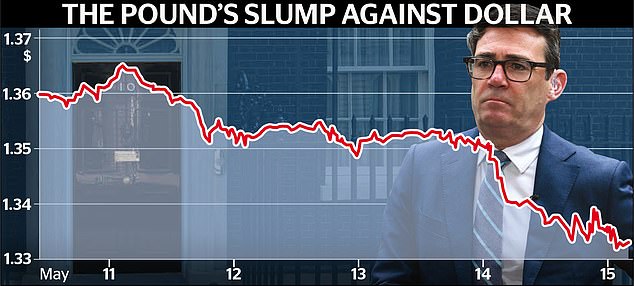
On Friday, the pound fell for the fifth consecutive day, dropping to $1.33 after the path was cleared for Manchester mayor Andy Burnham to stand for Parliament. This development marks a significant step in his potential bid to oust the Prime Minister. A weaker pound has several implications, including more expensive foreign holidays and higher costs for imported goods such as fuel, food, and electrical items.
Moreover, a weaker pound could lead to increased mortgage rates if interest rates need to rise to support the currency. The situation is further complicated by fears that fiscal rules limiting borrowing may be relaxed to fund additional welfare spending. These concerns have already resulted in a surge in borrowing costs since Labour's defeat in this month's local elections.
Impact on Government Borrowing Costs
The yield, or interest rate, the government pays on its benchmark ten-year gilts has risen to 5%, reaching its highest level since the 2008 financial crisis. This increase is attributed to the prospect of Burnham taking control of No.10, which has unsettled investors. Burnham has previously stated that Britain should not be "in hock" to the bond markets.
Yields rise as gilt prices fall, and the current sell-off in gilts is spilling over into currency markets, raising the risk of a full-blown run on the pound. Traders have been negative on the currency for almost a year, but the latest data from the Commodity Futures Trading Commission shows that up to 64,000 net bets have been taken out against sterling worth almost £4 billion – the most in two months.
Political Instability and Investor Sentiment
The surge in government borrowing costs and renewed political instability are causing alarm among traders. Neil Wilson of investment bank Saxo noted that politics is significantly affecting sentiment towards the pound. Mark Dowding of asset manager RBC BlueBay is also moving away from the pound, stating that UK financial assets and sterling are likely to face an elevated political risk premium for an extended period.
Britain's reliance on foreign investors to fund its national debt is growing, with more than a quarter of its debt held abroad. These investors lend to the government to cover the gap between what it spends and what it raises in taxes. However, the UK also runs a trade deficit, where imports exceed exports, putting additional downward pressure on the pound because the country must sell sterling to buy foreign currency to pay for imported goods and services.
Economic Vulnerabilities
"We are reliant on the kindness of strangers, so any sell-off in gilts would be likely to take the pound lower," said Jane Foley at investment bank Rabobank. The last time bonds and sterling fell together was following the disastrous Liz Truss mini-Budget in 2022 when hidden borrowing was exposed in parts of the pension system, leading to a Bank of England bailout of the sector.
While government borrowing costs are even higher now, they have not risen as quickly as four years ago, and the pound is well above the near-parity it briefly reached against the dollar back then. The bond sell-off has also affected the value of millions of workplace pensions, particularly for those nearing retirement who are automatically 'de-risked' into supposedly safe 'lifestyle' funds that primarily invest in bonds and other fixed income investments.
"If you own bonds in your pension or elsewhere, you will find their value has fallen significantly – by 20 per cent in the past few days for some gilts – and there's no upside," said industry expert Henry Tapper.
Post a Comment for "Traders bet against pound as Burnham enters PM race"