
Key Developments in the Iran Conflict
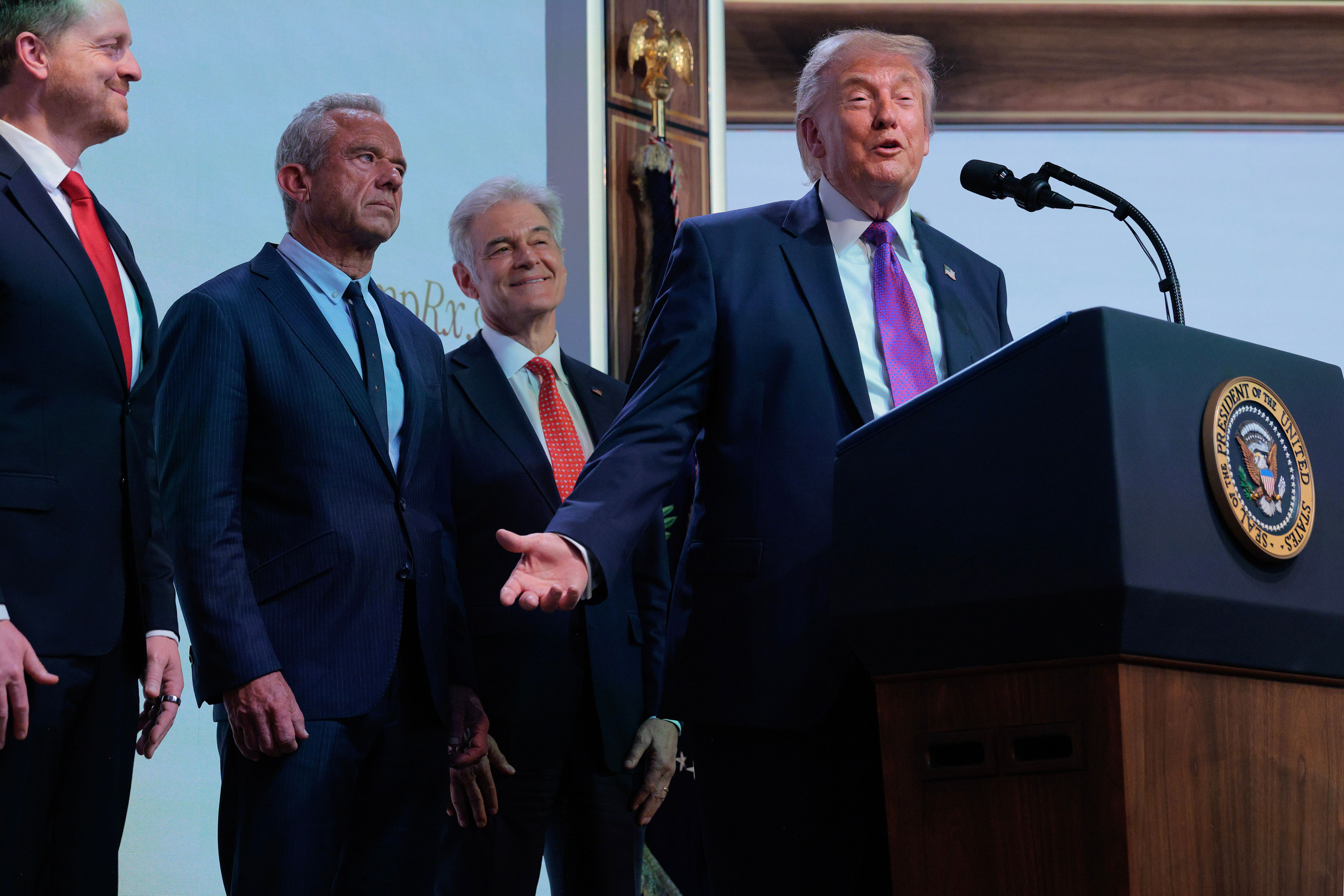
President Donald Trump has indicated that the United States may need to deliver another significant strike on Iran if a deal is not reached, emphasizing the importance of preventing Iran from acquiring a nuclear weapon. Speaking to reporters at the White House, Trump said he was "an hour away from making the decision to go today" but has delayed the attack for a short period.
"I hope we don't have to do the war, but we may have to give them another big hit... I'm not sure yet. You'll know very soon," he said. This statement highlights the ongoing tension between the U.S. and Iran, with Trump suggesting that a new military action could occur within the next few days if negotiations fail.
Trump also mentioned that leaders from key U.S. allies in the Middle East had requested a delay in the planned military attack to allow for continued negotiations with Tehran. However, he warned that the U.S. remains prepared to launch a large-scale assault if no agreement is reached.
Oil Prices and Market Reactions
The announcement of a potential delay in the attack led to a drop in oil prices, as investors welcomed the news. Brent crude futures fell more than 2% to $109.09 a barrel, while U.S. West Texas Intermediate crude dropped 1.3% to $107.28 per barrel. Despite this, oil prices remained above $100 a barrel, reflecting ongoing concerns about global energy markets.
European shares also rose slightly, with the pan-European STOXX 600 index increasing by 0.2% to 611.22 points. However, European equities have lagged behind global peers due to the region's reliance on oil imports.
Iran's Peace Proposal and Stance
Iran has issued a new peace proposal, which includes ending hostilities on all fronts, including Lebanon. The proposal reportedly requires U.S. forces to leave areas close to Iran and seeks reparations for destruction caused by the war. Additionally, Iran is asking for the lifting of sanctions and the release of frozen funds, as well as the end of the U.S. blockade on its ports and vessels.
However, Trump has previously rejected similar proposals, calling them "garbage." He now claims there is a "very good chance" of reaching an agreement, but his statements remain inconsistent, with threats of further attacks still looming.
Iran's Military Capabilities and Response
U.S. and NATO intelligence assessments suggest that Iran has enough missile capability to continue fighting if the U.S. resumes hostilities. Experts believe Iran has several more options available, despite Trump's claims that American forces have destroyed most of Iran's military capabilities.
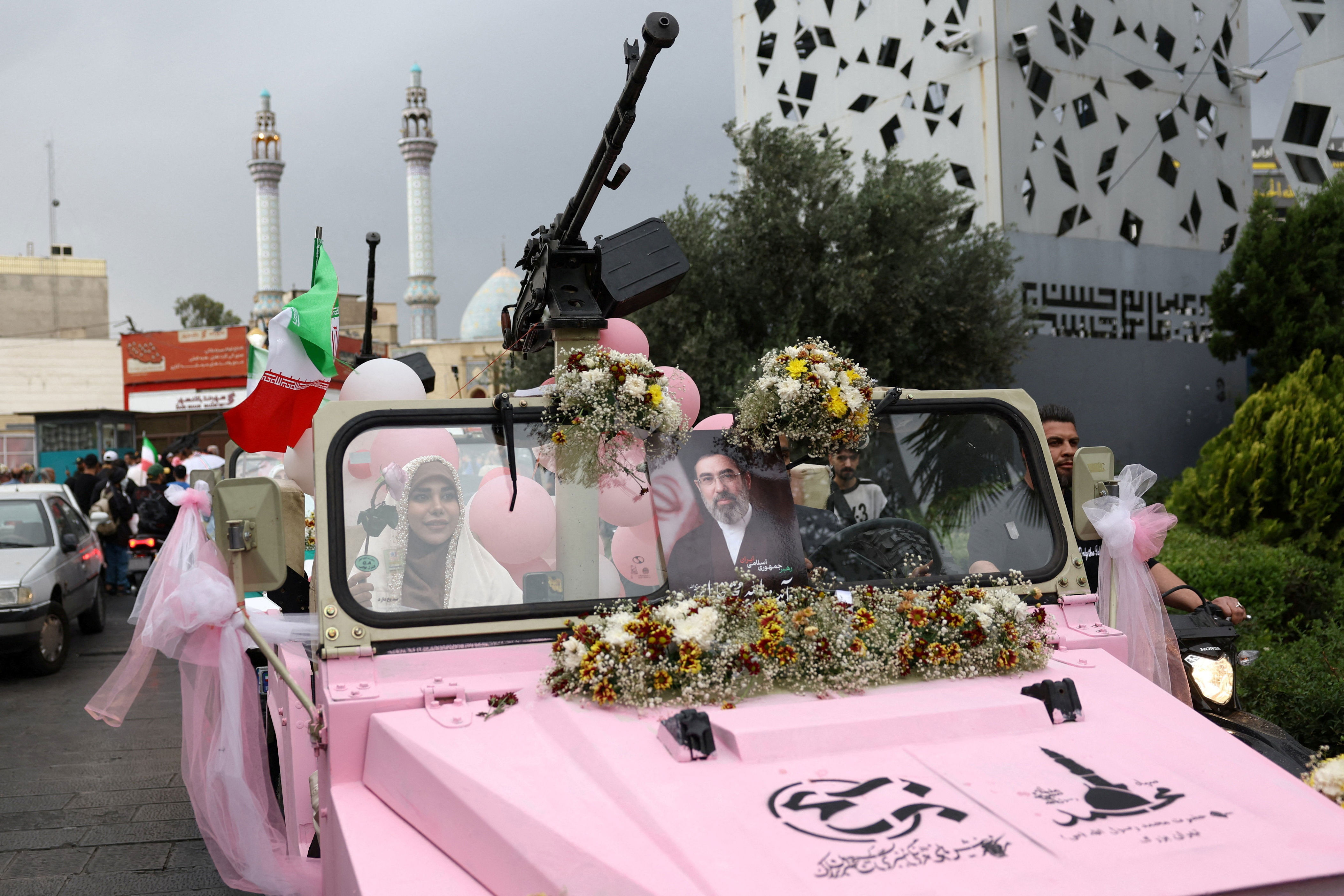
Iran has also launched a new body to manage the Strait of Hormuz, a critical waterway for global oil shipments. The country has largely blocked shipping through the strait since the U.S. and Israeli attacks on Tehran in February. A fragile ceasefire has been in place since April, but tensions remain high.
Regional Implications and International Responses
The situation has prompted international concern, with the G7 reiterating the need to reopen the Strait of Hormuz. Finance ministers from the G7 group emphasized the importance of stable energy markets and called on all countries to avoid arbitrary export restrictions.
In the UK, the domestic energy price cap is forecast to rise by around 13% in July, driven by higher wholesale prices linked to the conflict. This increase will affect typical dual-fuel households, raising annual bills to £1,850.
Diplomatic Efforts and Regional Alliances
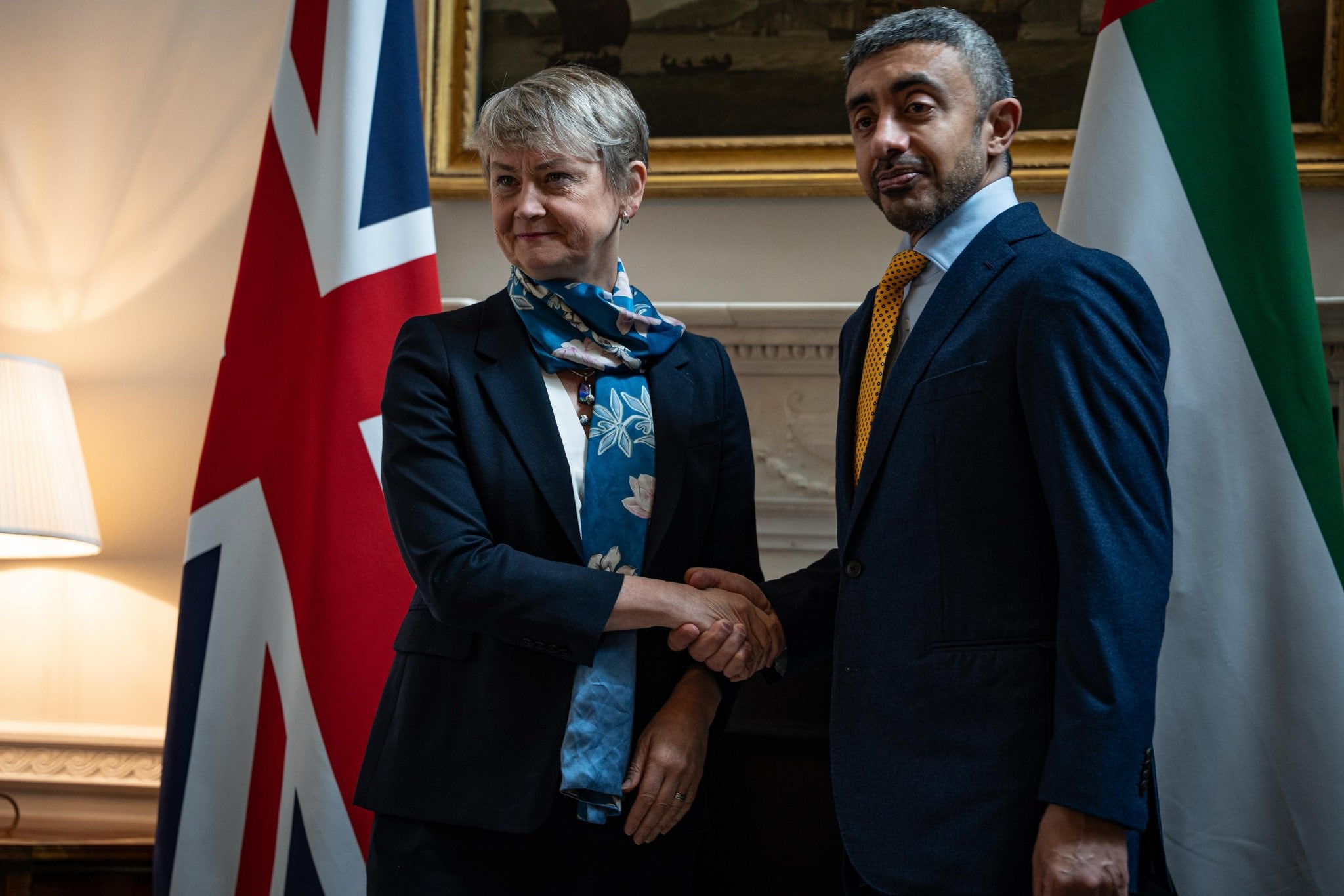
Foreign Secretary Yvette Cooper has met with her UAE counterpart, Abdullah bin Zayed Al Nahyan, to discuss strengthening partnerships and regional stability. The UK and UAE are working towards a diplomatic resolution to reopen the Strait of Hormuz.
Meanwhile, Pakistan has deployed troops and military assets to Saudi Arabia under a mutual defense pact, highlighting the growing regional cooperation in response to the conflict.
Conclusion
The situation in the Middle East remains volatile, with the U.S. and Iran engaged in a complex web of negotiations, threats, and military posturing. While Trump has delayed a potential attack, the possibility of renewed hostilities looms large. The outcome of these discussions will have far-reaching implications for global energy markets, regional stability, and international relations.



No comments:
Post a Comment