
UK Slumps to Last at Eurovision as Bulgaria Edges Out Israel
Bulgaria Claims Eurovision Glory Amid UK's Disappointing Performance
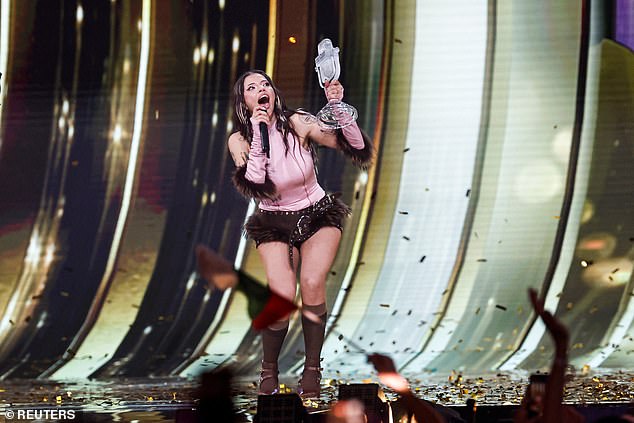
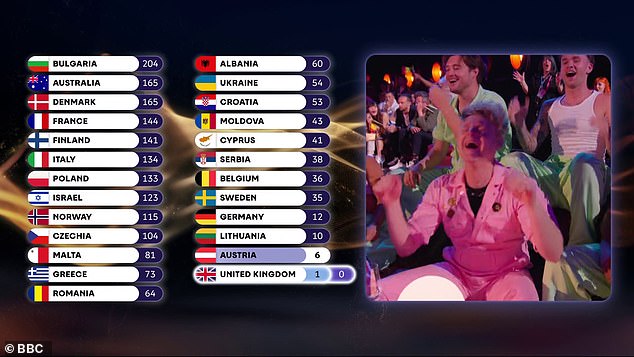
Bulgaria has made history by winning the 70th edition of the Eurovision Song Contest, marking its first-ever victory in the prestigious competition. The win came as a surprise to many, especially after the United Kingdom's entry once again finished at the bottom of the rankings.
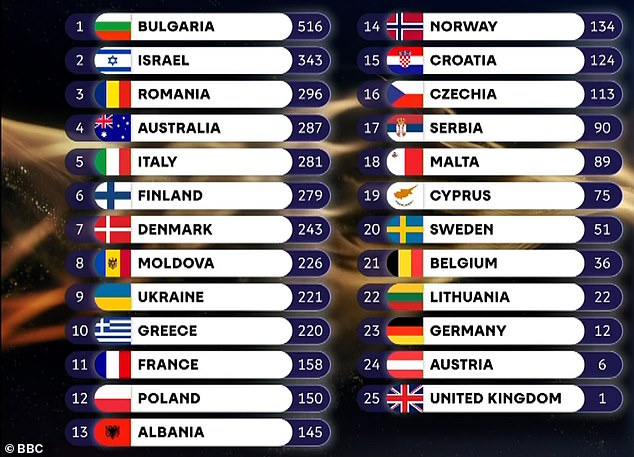
Dana and her energetic pop song "Bangaranga" secured the top spot with a total of 516 points, narrowly edging out Israel, which took second place with 343 points. Romania rounded out the top three with 296 points. This was a significant upset, as several bookmakers had favored Finland and Greece to take the title.
The UK's entry, "Eins, Zwei, Drei" by Look Mum No Computer, failed to make an impact, receiving only one point from the jury vote and zero points from the public. This marks the third consecutive year that the UK has received no votes from the televote, a record that has drawn criticism from fans and observers alike.
Fans took to social media to express their frustration, with many joking about the UK's consistent poor performance. One user wrote: "UK ranking last (AGAIN) with 1 point now instead of their usual 0 is even funnier to me." Others questioned the choice of the UK's entry, with one comment stating: "Seriously, why did we send him as our UK entry, when anyone with ears knew he was going to come last?"
A Controversial Event Marred by Political Tensions
The contest was not just about music; it also became a stage for political debate, particularly around Israel's participation. Five countries—Spain, Ireland, the Netherlands, Slovenia, and Iceland—boycotted the event in protest against Israel's inclusion. This decision sparked widespread discussion, with some viewers criticizing the boycott while others supported the stance.
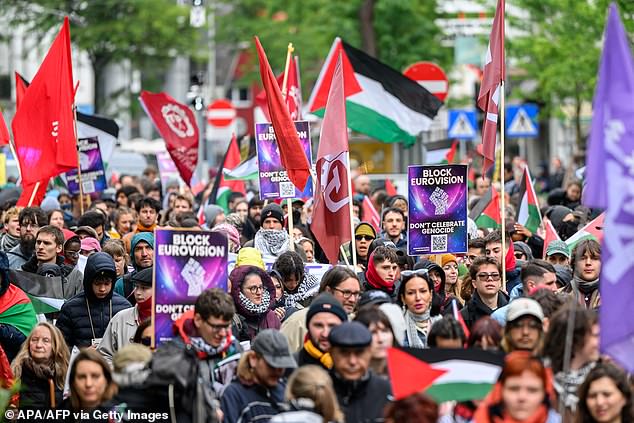
During the first semi-final, Israel's performer Noam Bettan faced boos and jeers from the audience, with protesters chanting "Free Palestine" and "Stop the genocide." Security measures were tightened, and several audience members were removed during the performance. Despite this, Bettan received more positive reactions during the final, with host Graham Norton noting the generally favorable reception.
Security for Bettan was reportedly heightened, with protection from Israeli intelligence agencies and Austrian security forces. Outside the venue, pro-Palestine protests continued, with demonstrators waving Palestinian flags and holding signs condemning the conflict in Gaza.
A Growing Divide Over Politics and Music
The controversy surrounding Israel's participation has been a recurring theme in recent years. In 2023, tensions rose following Hamas' attack on Israel and the subsequent military campaign in Gaza. Protests have become a common sight at Eurovision events, with organizers implementing stricter rules to prevent political flag-waving.
This year, the European Broadcasting Union (EBU) introduced new voting rules to combat allegations of vote-rigging, reducing the number of votes per person to 10 and increasing safeguards against suspicious activity. However, the issue of political interference remains a challenge for the contest.
Spain’s broadcaster RTVE chose to air a tribute to its musical history instead of covering the event, while Ireland’s national broadcaster aired a special episode of the sitcom Father Ted. Slovenia will show a program about Palestinians, and other countries have opted to skip coverage altogether.
Australia Emerges as a Strong Contender
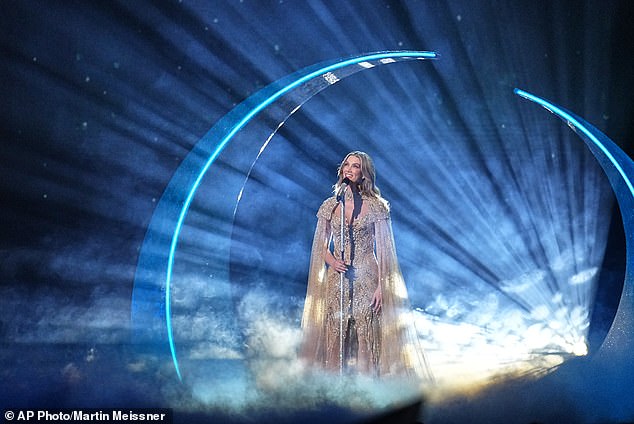
Despite the political turmoil, the contest still featured strong performances from various countries. Australia's Delta Goodrem wowed audiences with her ballad "Eclipse," helping the country qualify for the grand final for the first time in three years. Finland's Linda Lampenius and Pete Parkkonen were also seen as strong contenders, with their pop-rock number featuring a powerful violin solo.
Rylan Clark, who hosted the semi-finals, addressed the controversy directly, acknowledging the five countries that had withdrawn from the contest. His comments were praised by fans, with many appreciating his willingness to discuss the issue openly.
A Legacy of Rivalries and Controversies
Eurovision has long been a platform for friendly rivalries and cultural expression, but in recent years, it has struggled to separate music from politics. The exclusion of Russia in 2022 over its invasion of Ukraine and the ongoing debates about Israel's participation have highlighted the growing tension between the contest's traditional spirit and modern geopolitical issues.
As the 70th edition of Eurovision comes to an end, the focus remains on the music, but the political undercurrents continue to shape the event. For many, the contest is more than just a competition—it's a reflection of the world's complexities, where art and politics often collide.





Post a Comment for "UK Slumps to Last at Eurovision as Bulgaria Edges Out Israel"