
UK's Eurovision Entry Faces Criticism and Controversy
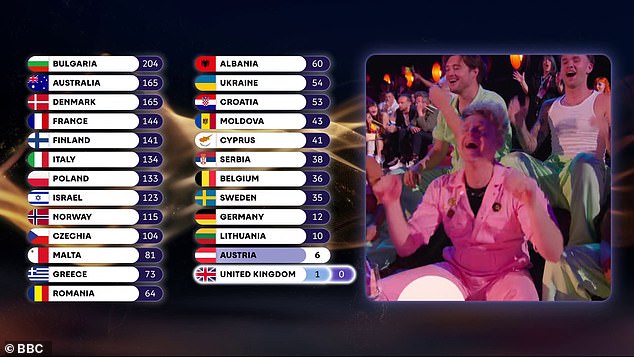
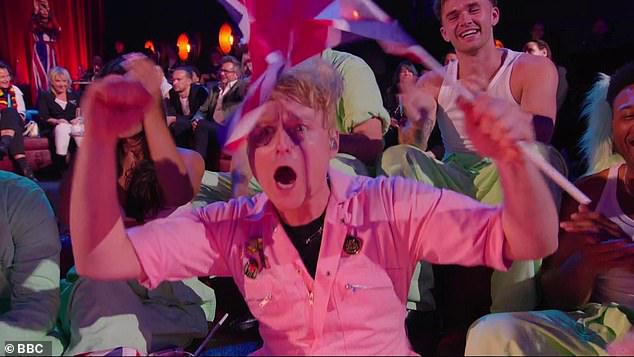
The UK's participation in this year's Eurovision Song Contest has once again sparked a mix of reactions from fans and critics alike. The act, known as Look Mum No Computer, ended up in last place with zero points, marking yet another challenging performance for the country in the competition.
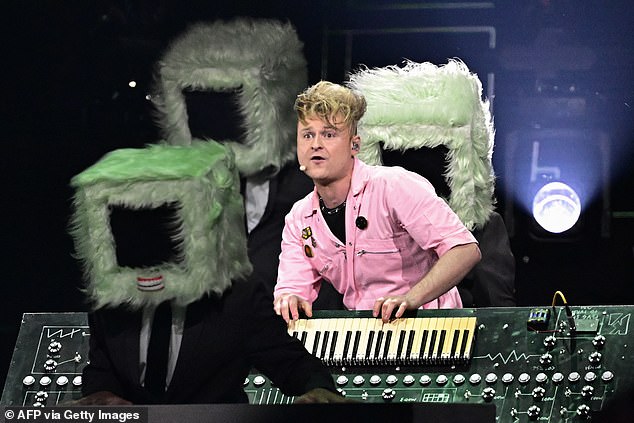
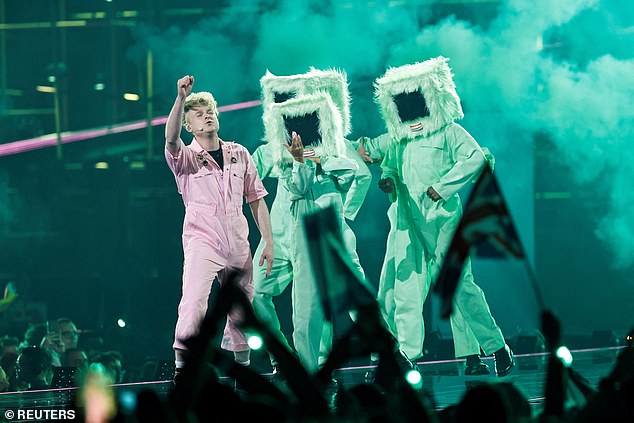
Look Mum No Computer, whose real name is Sam Battle, took to the stage in Austria with his quirky entry "Eins, Zwei, Drei." The performance was accompanied by fur-clad robots, adding an unusual visual element to the song. Despite the creative presentation, the act received only one vote from the jury and no public votes, resulting in a disappointing outcome.
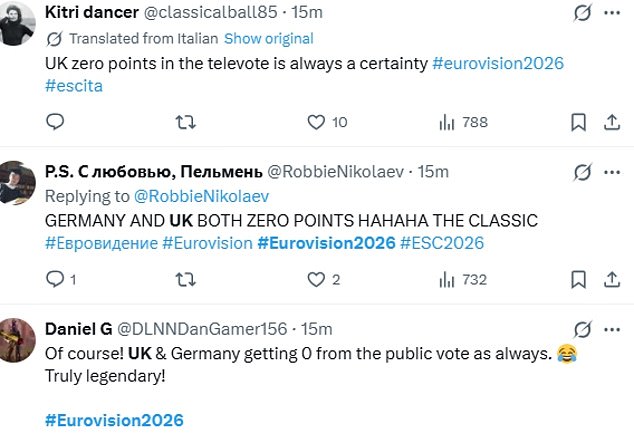
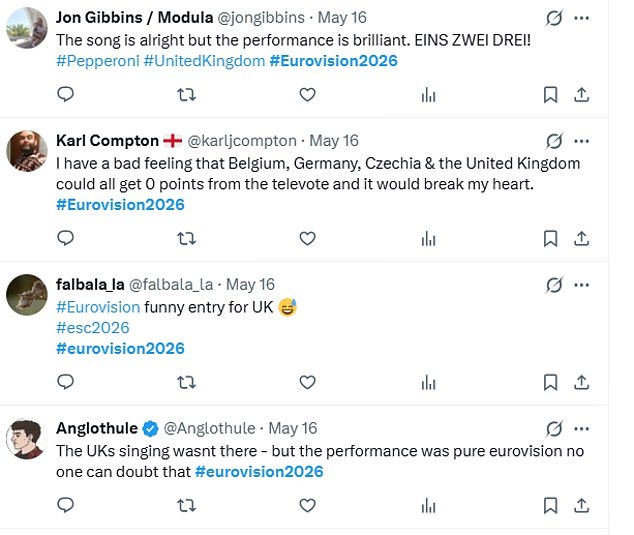
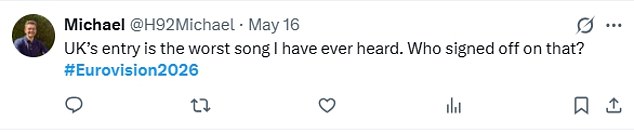
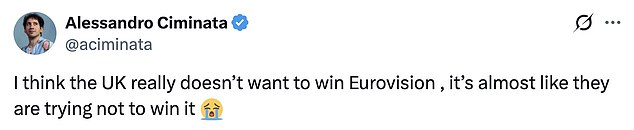
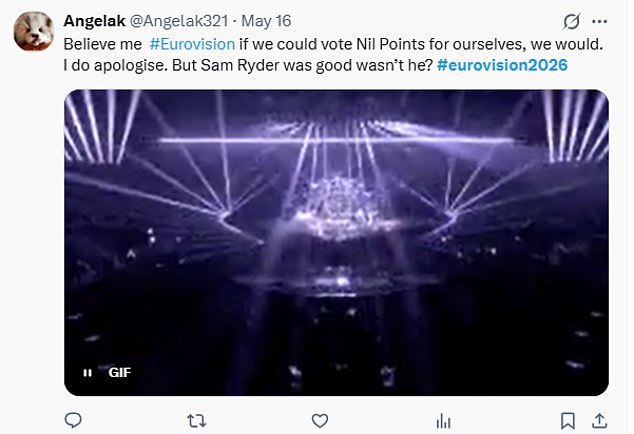
Fans on social media were quick to express their opinions about the UK's performance. Many described the song as "the worst I've ever heard" and questioned why such an act was chosen. Some comments included:
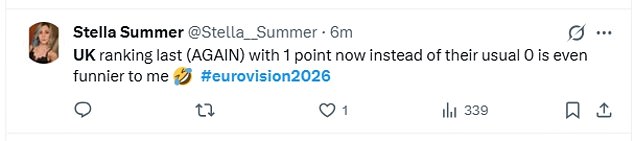
- "UK ranking last (AGAIN) with 1 point now instead of their usual 0 is even funnier to me."
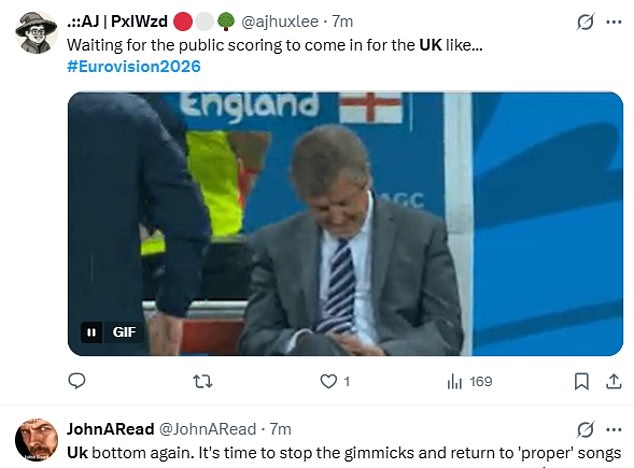
- "Uk bottom again. It's time to stop the gimmicks and return to 'proper' songs."
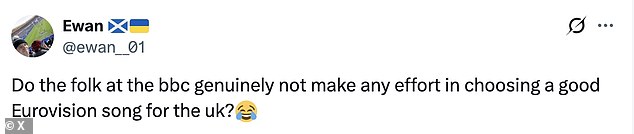
- "Seriously, why did we send him as our UK entry, when anyone with ears knew he was going to come last?"
- "I'm gonna be brutally honest here, even if I was able to I would not have given the UK a single point."
Others, however, felt that while the song might not have been to their taste, it was a fitting choice for Eurovision. They commented:
- "The song was alright but the performance was brilliant."
- "The UK's singing wasn't there but the performance was pure Eurovision no one can doubt that."
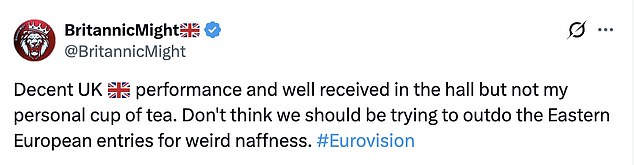
- "Decent UK performance and well received in the hall but not my personal cup of tea. Don't think we should be trying to outdo the Eastern European entries for weird naffness."
Sam Battle, who has been a self-proclaimed Eurovision fan, launched his YouTube channel back in 2016. He has since gained over 85 million views and 1.4 million combined subscribers across his various social accounts.
The UK was guaranteed a spot in the final as one of the Big Four countries that make the largest financial contributions to Eurovision. This includes France, Italy, Germany, and Austria. However, Australia's entry, Delta Goodrem, emerged as a strong contender during the semi-finals.
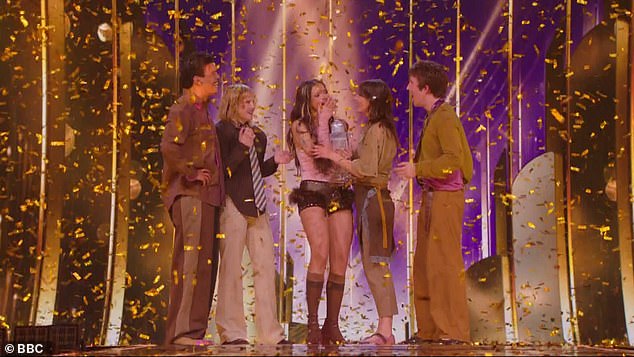
Delta Goodrem, a 41-year-old singer, wowed audiences with her epic ballad "Eclipse" during the semi-finals on Friday morning. Her performance helped Australia qualify for the grand final for the first time in three years.
Despite the excitement around the competition, the Eurovision Song Contest in Vienna has been overshadowed by controversy. Five countries—Spain, the Netherlands, Ireland, Iceland, and Slovenia—have boycotted the event due to Israel's participation. This has raised questions about the theme of the contest, which is "United by Music."
The 25 competing countries in the grand final include Albania, Australia, Austria, Belgium, Bulgaria, Croatia, Cyprus, Czechia, Denmark, Finland, France, Germany, Greece, Israel, Italy, Lithuania, Malta, Moldova, Norway, Poland, Romania, Serbia, Sweden, Ukraine, and the UK.
During the first semi-final, Israeli entry Noam Bettan faced boos from the audience, with some chanting "Free Palestine" and "stop the genocide" in reference to the Gaza War. Austria's broadcaster ORF confirmed that several audience members were removed by security.
Noam Bettan, a 28-year-old performer, is reportedly receiving protection from the security agency Shin Bet, Mossad, and elite Austrian units during his time in Vienna.





No comments:
Post a Comment