
UK’s Eurovision Entry Finishes Last in 2026 Contest
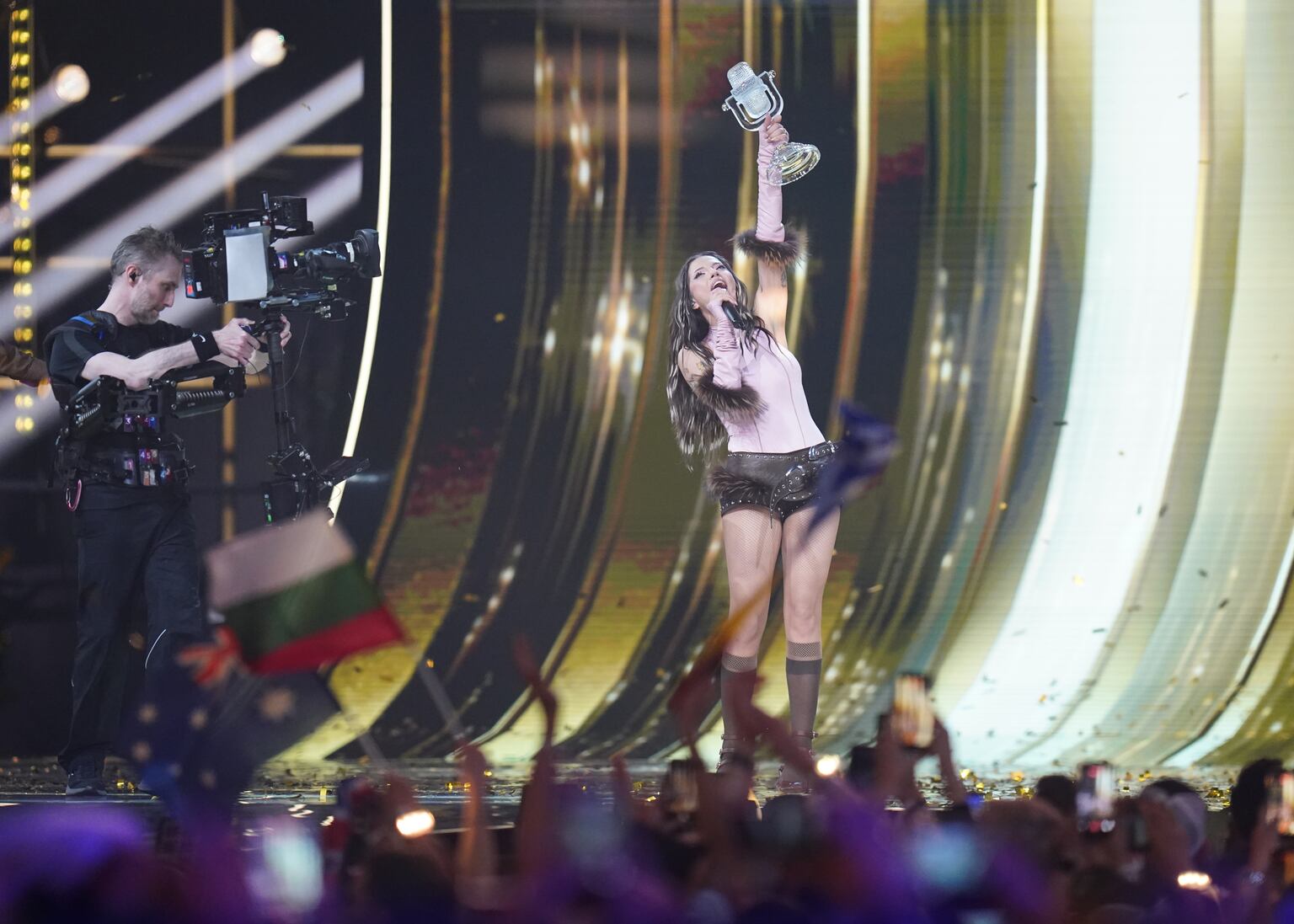
The United Kingdom’s entry for the Eurovision Song Contest 2026, Look Mum No Computer, finished in last place with just one point, marking a disappointing result for the country. Bulgaria, on the other hand, celebrated its first-ever victory with the song Bangaranga by Dara, who scored an impressive 516 points.
This marks the fourth consecutive year that the UK has received no points from the public vote. The only jury point came from Ukraine, highlighting the challenges the UK faces in securing recognition at the international event. Despite this, Bulgaria’s win was a historic moment, especially as it came after a tense finale during the contest’s 70th anniversary year.
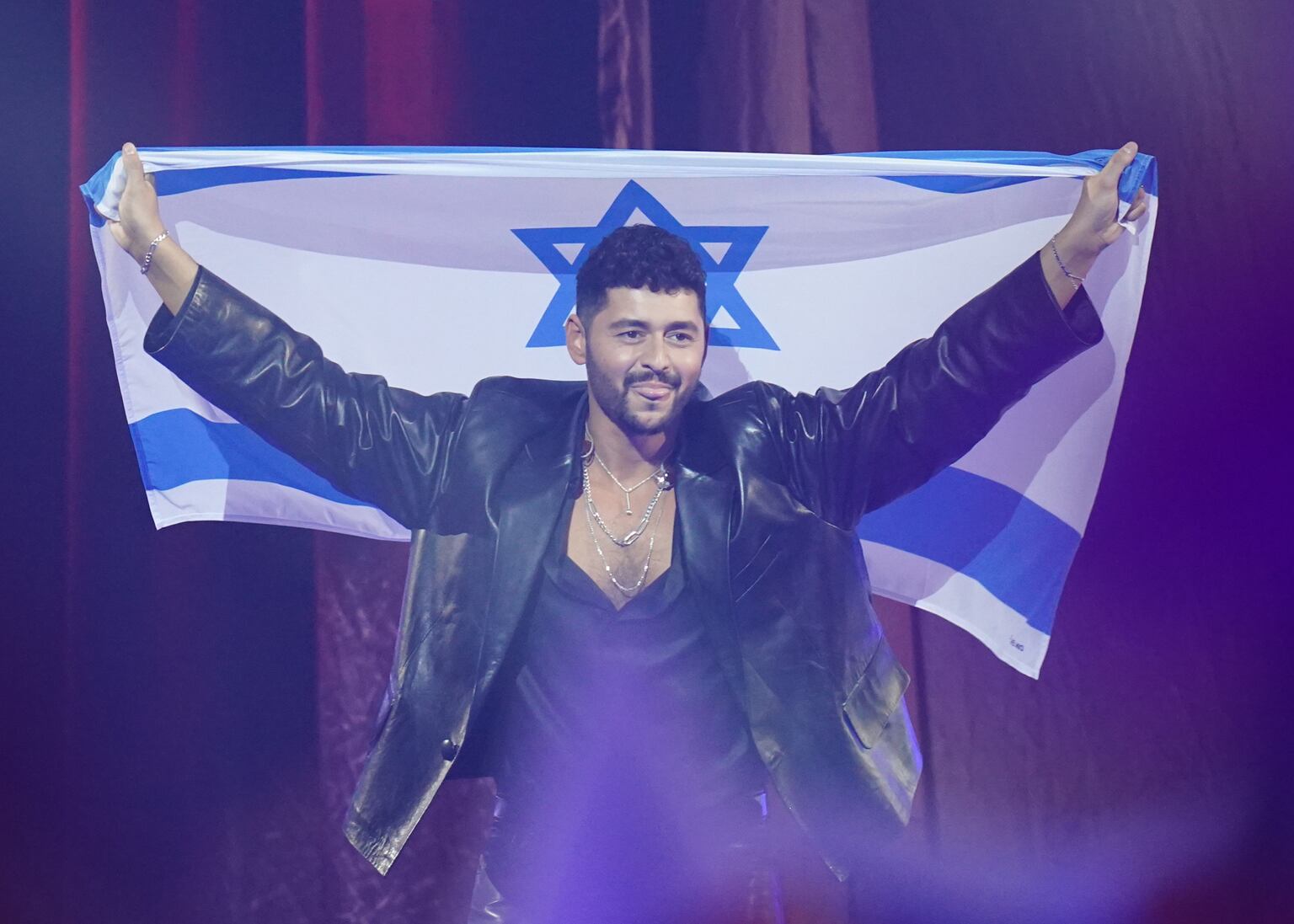
Israel, which initially led the competition, eventually finished in second place with 343 points. However, their participation sparked controversy, leading to a boycott from several countries, including Ireland, Iceland, the Netherlands, Spain, and Slovenia. This decision was made due to Israel’s actions in Gaza, raising concerns about the political implications of the event.
A Tense Final and Controversial Performances
Israeli entrant Noam Bettan, who performed his song Michelle in English, Hebrew, and French, faced a mixed reception during the final. While some audience members waved Israeli flags, others booed and chanted during parts of the performance. This tension reflected the broader political climate surrounding the contest.
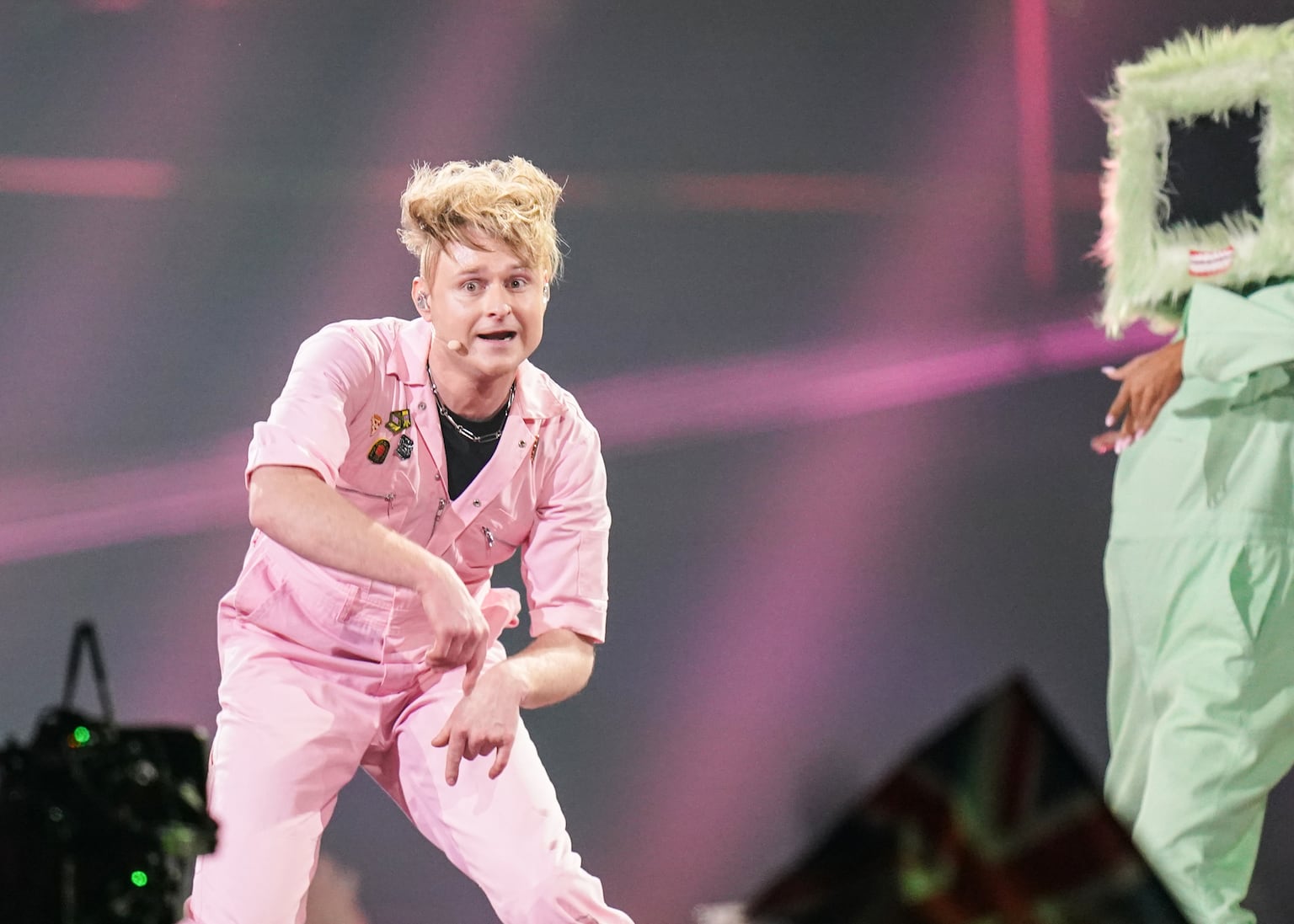
Romania’s Alexandra Capitanescu took third place with 296 points, delivering a powerful performance of her intense pop metal song Choke Me. Meanwhile, the UK’s Look Mum No Computer, whose real name is Sam Battle, attempted to engage the audience during his performance of Eins, Zwei, Drei. He encouraged the crowd to sing along, chanting: “When I say eins, you say zwei.” His performance included a pink boiler suit, a synthesiser, and a cardboard box, creating a quirky and memorable act.
After the competition, Battle expressed admiration for Dara, calling him the “honestly deserved winner.” In a Facebook post, he shared a video of himself celebrating the single point he received, holding up one finger before leading a chant of “UK.”
Other Notable Performances
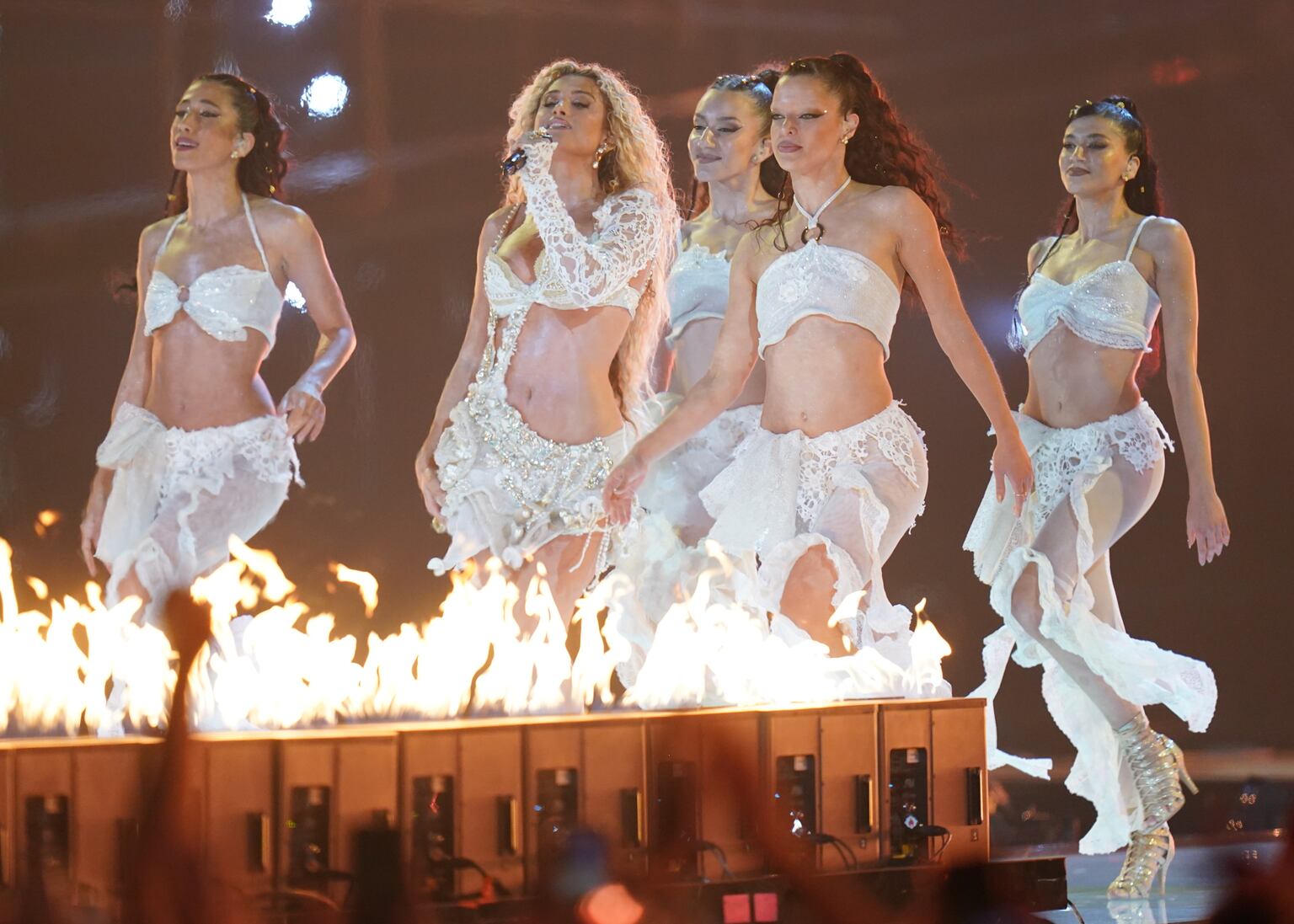
Other acts also stood out during the event. The Czech Republic’s Daniel Zizka faced technical difficulties during his performance of Crossroads, as the hall of mirrors distorted and froze at one point. Antigoni, a former Love Island contestant representing Cyprus, delivered a visually striking performance of Jalla, complete with flames and dancers waving towels.
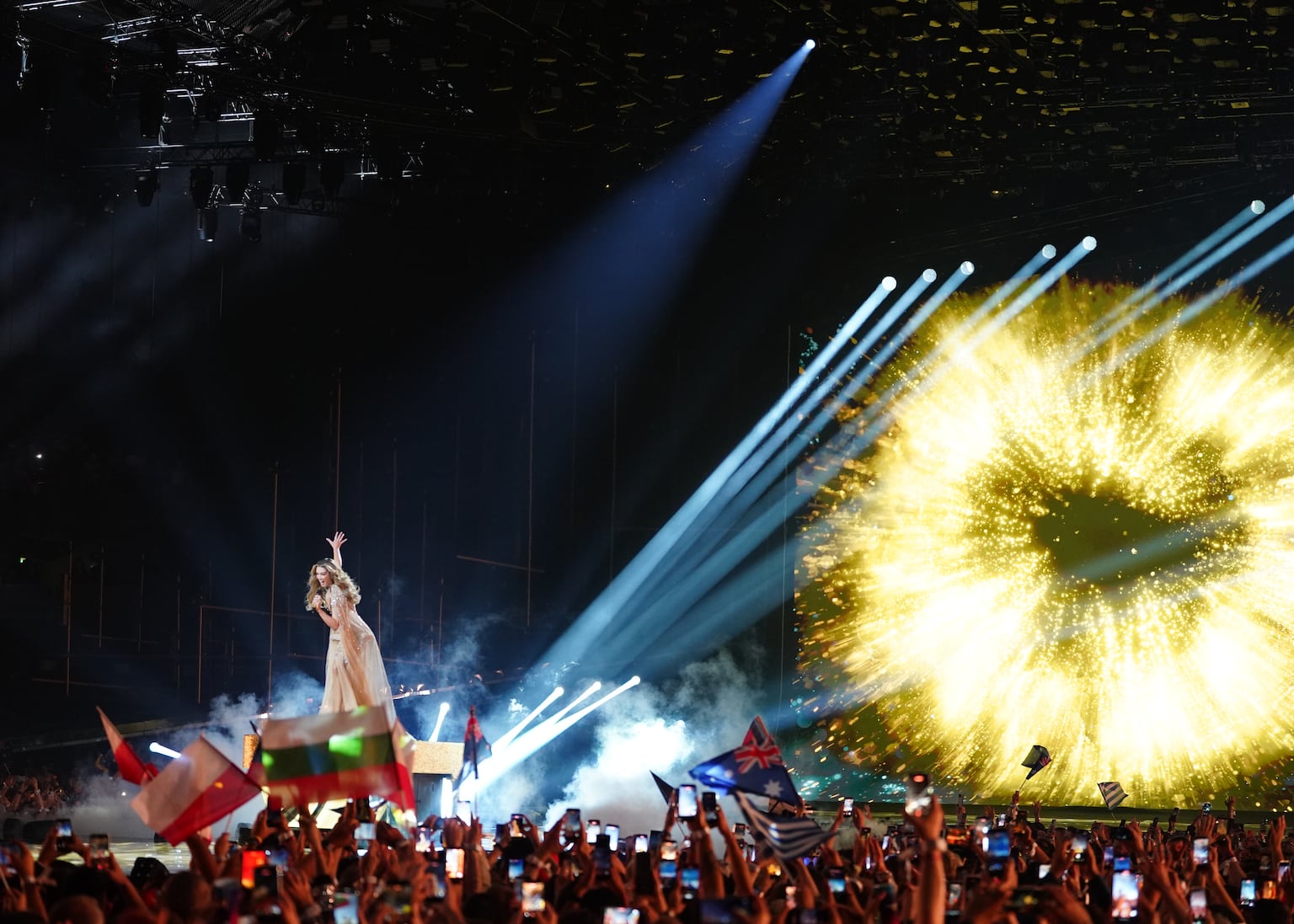
Australian pop star Delta Goodrem performed her song Eclipse, accompanied by a harpist and a gold sparkly piano. Her performance reached a dramatic climax as she was elevated into the air, surrounded by fireworks.
Greece’s Akylas captivated social media with his video game-inspired performance of Ferto, while Lithuania’s Lion Ceccah made an eye-catching appearance with silver-painted hands and a sculpture-like costume.
Political Protests and Criticism
The contest was not without controversy. Protests were held in Vienna over Israel’s inclusion in the event, with the largest being the “No Stage For Genocide” rally organized by Palestine Solidarity Austria. These demonstrations highlighted the ongoing tensions between the political and cultural aspects of the competition.
Amnesty International criticized the European Broadcasting Union for not suspending Israel from the contest, drawing comparisons to its decision to exclude Russia after the invasion of Ukraine in 2022. The organization described the move as an act of “cowardice” and a “blatant double standard.”
Dara’s victory means that next year’s Eurovision Song Contest will be hosted in Sofia, Bulgaria. As the event concluded, the focus shifted to the future, with anticipation building for the next edition of the world’s most famous music competition.


No comments:
Post a Comment