
WFH and EVs: India's Response to Modi's Fuel-Saving Push Amid Iran Conflict
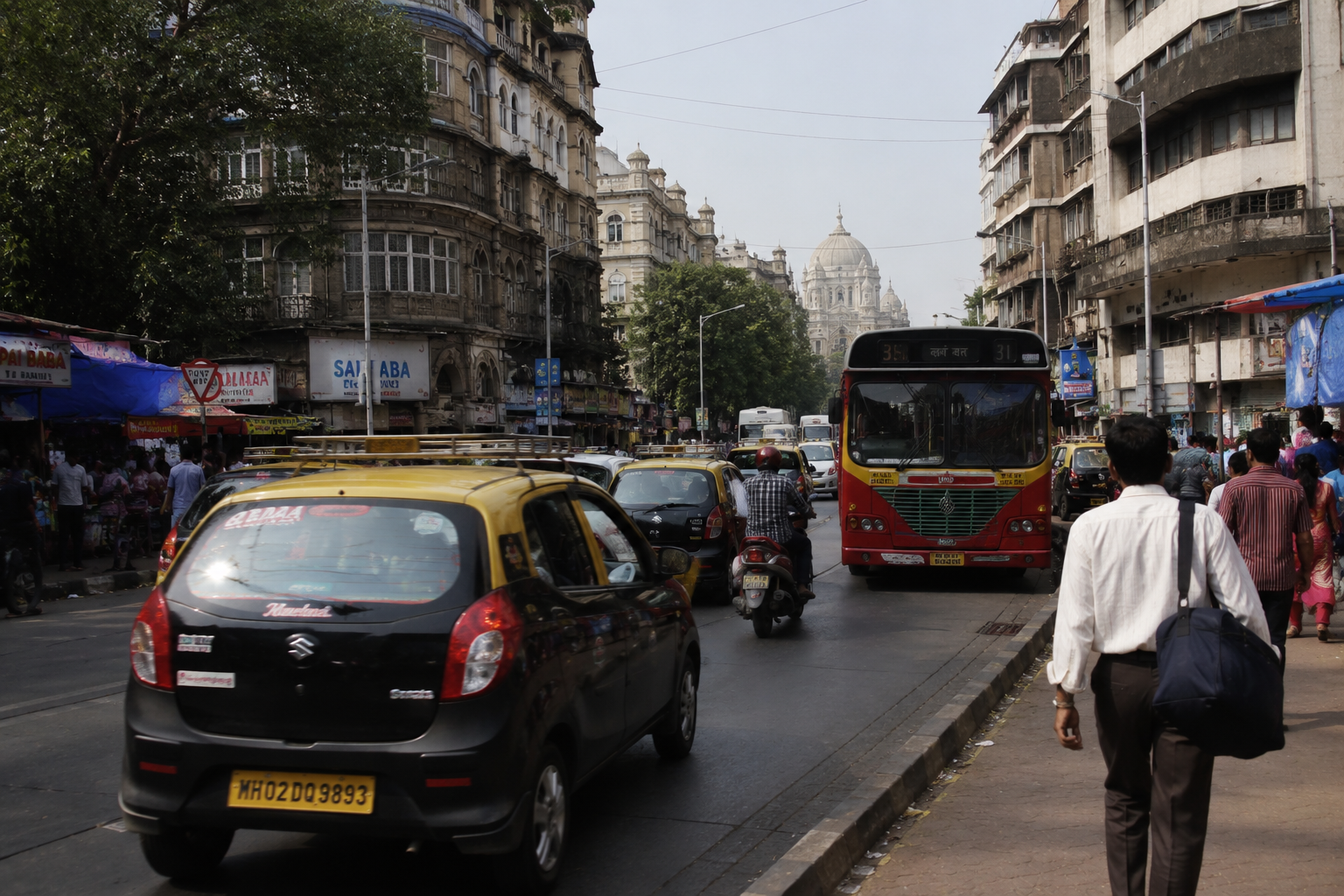
In response to Prime Minister Narendra Modi's appeal for Indians to reduce fuel consumption and preserve foreign exchange amid the consequences of the Iran conflict, state-owned organizations, public sector enterprises, and businesses are implementing extensive cost-cutting and energy-saving initiatives.
Speaking to a crowd in Hyderabad on Sunday, Modi encouraged people to use public transportation more and speed up the transition to electric vehicles (EVs).
He also advocated for resuming practices from the pandemic period, including remote work and online meetings.
The leader also urged citizens to steer clear of unnecessary international trips and to hold off on purchasing gold for the next twelve months.
He also encouraged customers to focus on products made in the local area.
"Utilize public transit systems whenever they are accessible. Employ carpooling for trips, and opt for railways when moving cargo. This approach will decrease reliance on gasoline and diesel, thus reducing the need for foreign currency," he stated.
Speaking about the continuous conflict in West Asia, he stated that during a worldwide crisis, "We must make decisions, placing the nation above everything else."
The call arrived as India's heavy reliance on imports to meet its crude oil and natural gas demands has led to a significant increase in its import costs, with the Strait of Hormuz closed for over two months.
India purchases almost 90% of its crude oil needs and approximately half of its natural gas requirements.
India's foreign exchange reserves have dropped by $38 billion since the conflict in Iran started, representing one of the most significant reductions in the area.
Growing imports of oil, natural gas, fertilizers, and gold are boosting the need for U.S. dollars, even as foreign investment flows decline, exports decrease, and global political conflicts create instability in financial markets.
The government requests agencies to reduce expenses
According to an order reviewed by Reuters, the Department of Financial Services has instructed institutions, such as the State Bank of India, Bank of Baroda, and the Life Insurance Corporation of India, to adopt cost-reduction strategies throughout their operations.
The directive requires that gatherings, evaluations, and discussions take place via video conferencing unless being physically present is deemed necessary.
It also mentioned that international travel for top executives, such as chairpersons, managing directors, and chief executive officers, must stay within established guidelines, and that overseas commitments should be increasingly handled through virtual means.
In a separate important instruction, the government urged organizations to speed up the shift toward electric transportation.
The directive stated, 'All organizations may strive to substitute petrol and diesel vehicles used in their headquarters and branch offices with electric cars whenever feasible.'
The budget cuts are anticipated to impact millions of workers employed in public sector banks, insurance companies, and financial organizations throughout the country.
Ministry of Power collaborates in environmental protection efforts
The Ministry of Energy in the Union has also recommended that public sector enterprises under its jurisdiction encourage remote work arrangements and limit international travel, in response to Prime Minister Narendra Modi's recent call for more efficient energy consumption.
The guidance is relevant to organizations such as NTPC, Power Grid Corporation of India, Power Finance Corporation, and REC Ltd.
The government recommended that companies consider the option of letting certain employees work remotely one day each week.
It also suggested that as many as 20% of employees might be allowed to work from home on any particular day, provided it is operationally possible.
In addition to these initiatives, the Bureau of Energy Efficiency has initiated a pilot program designed to motivate government employees and public sector unit workers to minimize vehicle use and embrace energy-saving methods.
The program, named "RAHI: Action for High Efficiency Initiative," enables staff to register both work and private vehicles through an online platform that monitors monthly usage.
Individuals in positions of authority who effectively lower fuel usage will be awarded minor rewards.
A statement on X, from the Bureau of Energy Efficiency, mentioned that the initiative aims to encourage "energy-saving habits and shifts in behavior" throughout the ministry and related entities.
Following his call for fuel savings, Modi personally cut down the size of his official motorcade.
New video footage revealed the prime minister moving with just two SUVs — a significant decrease compared to previous motorcades that included over 10 vehicles.
States and companies adopt remote work policies
Some Indian states have started enacting comparable fiscal restraint policies.
In Uttar Pradesh, Chief Minister Yogi Adityanath directed a 50% decrease in vehicle processions for ministers and officials, while also promoting increased use of remote work arrangements.
Corporate India has also begun to heed the government's appeal for environmental preservation.
RPG Group CEO Harsh Goenka encouraged staff to cut down on both local and global travel, increase the use of virtual meetings, and support carpooling and the adoption of electric vehicles as part of his vision for "responsible resource management."
At Shaadi.com, founder Anupam Mittal revealed that Wednesdays will now be set as remote work days, projecting that one day of working from home per week for 500 employees could reduce petrol consumption by almost 30,000 liters yearly.
Hindustan Unilever reported that over 97% of the energy consumed in its operations is now sourced from renewable resources, and it is increasing the use of electric vehicles throughout its supply chain.
"We are confident that the Indian economy is strong, and these forward-thinking actions will assist us in overcoming the present challenges while maintaining our trajectory of growth," a company representative stated.
Business associations are also modifying their strategies following the government's request.
The Association of Real Estate Developers in India moved its annual conference from Amsterdam to the country, citing the prime minister's emphasis on environmental protection.
Markets remain cautious
In the meantime, India's main stock indices closed mostly unchanged on Monday, following a recovery from significant intra-day losses, reflecting delicate investor confidence due to worries about the effects of rising oil prices and global political instability.
The Nifty 50 finished 0.03% up at 23,649.95, while the BSE Sensex rose 0.1% to close at 75,315.04.
Both indices declined by as much as 1.4% throughout the session before experiencing some recovery in the later stages of trading.
Although IT stocks saw some improvement because of a stronger dollar, overall market sentiment stayed negative.
Eleven out of the 16 primary sectors closed down on Monday, with small-cap and mid-cap indexes declining by 1.3% and 0.2%, respectively.
The IT index increased by 2.4% following a significant drop the previous week, with investors expecting improved earnings for technology firms that benefit from dollar-based income.
Nevertheless, experts cautioned that the overall prognosis is still unclear as oil prices keep increasing.
"The limited recovery suggests that sentiment is still weak for nations such as India, which rely on energy imports, as the conflict in Iran has continued for a third month and driven Brent crude prices past $110 per barrel," stated Dharmesh Kant, head of equity research at Cholamandalam Securities.
The post Remote work, electric vehicles: how India is reacting to PM Modi's fuel-saving initiative during the Iran conflict appeared first on
Post a Comment for "WFH and EVs: India's Response to Modi's Fuel-Saving Push Amid Iran Conflict"