
Why More Americans Are Embracing the Digital Nomad Life
A change occurred in the American work environment, and it wasn't loud or dramatic. There were no big announcements, no official rules, and no specific moment that could be highlighted. Rather, millions of employees simply took their laptops, updated their passports, and began living elsewhere. The digital nomad movement, previously linked with young backpackers and freelance writers, has quietly evolved into one of the most important workforce developments of this decade. Digital nomads now represent about 12% of the U.S. workforce, with 18.5 million American workers considering themselves digital nomads in 2025, according to MBO Partners' 2025 Digital Nomads Trends Report. This marks a 153% rise since 2019. This isn't just a trend; it's a fundamental shift in how Americans view where work takes place and what a professional life should resemble.
The Statistics of the Movement
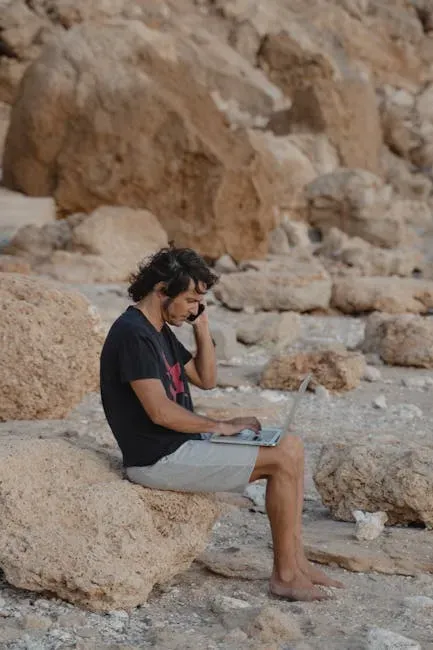
The magnitude of this transformation is difficult to exaggerate. In the United States alone, it was projected that there were more than 18 million digital nomads in 2024, representing an increase of 148 percent compared to 2019.
This kind of growth occurred at the same time as, and frequently in opposition to, a surge in pressure from major companies to return to offices. After the rapid rise of American digital nomads between 2020 and 2022, we have observed small gains in their numbers during 2023, 2024, and 2025.
The slowdown was anticipated as the pandemic subsided, with people resuming normal life and work routines, and more employees expected to return to the office, at minimum on occasion. Nevertheless, the figures continued to rise.
The count of digital nomads has risen by 153% since 2019, making up about 12% of the U.S. labor force. The consistent growth from 2023 through 2025 shows that digital nomadism has become a recognized element of the American work culture and is here to remain.
Who Is Truly Responsible for This
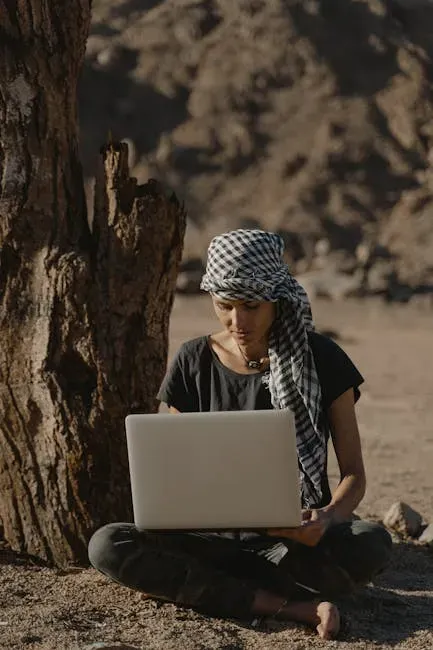
The image of the lone young traveler is outdated. Seventy-five percent of digital nomads are part of the two younger generations currently working: Gen Z, making up 35%, and Millennials, accounting for 40%.
Nevertheless, the demographic landscape is broader than many people realize. Nearly one in nine (11%) of U.S. digital nomads are 55 years old or older, highlighting ongoing enthusiasm for this way of life among all age brackets.
The image of the "solo backpacker" is no longer accurate. According to MBO Partners, 36% of digital nomads currently travel with a spouse, partner, or kids, which represents a doubling since 2019.
This change is increasing the need for secure housing, educational opportunities, and extended visas. The racial makeup of the migration is also evolving.
The percentage of digital nomads who are African American has been rising each year, hitting 27% in 2025, compared to 21% in 2023 and 13% in 2020. This increase is due to the swift expansion of the creator economy. Work within the creator economy can be carried out from anywhere, which makes it appealing to digital nomads.
The Return-to-Office Paradox
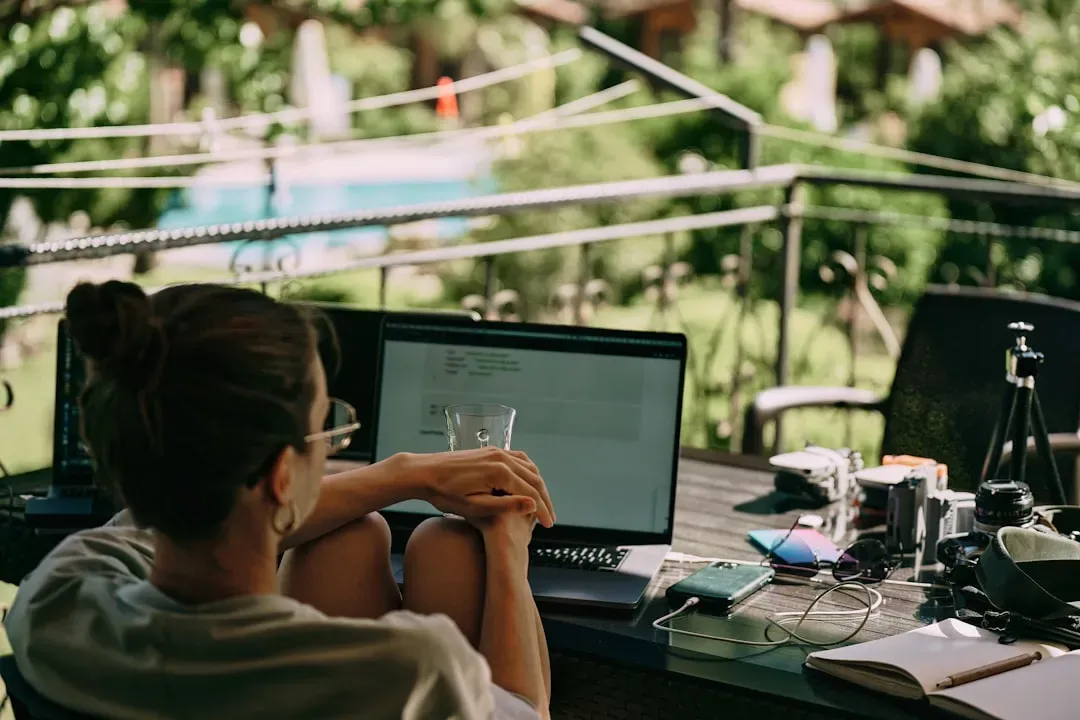
One of the more unexpected discoveries in recent data is that conventional employees are contributing to the rise of digital nomadism, even as businesses require more in-office attendance. As companies began reintroducing return-to-office policies, the number of digital nomads with traditional jobs initially dropped but then rose by 10% in 2025, reaching 11.2 million from 10.2 million in 2024. At first, this appears conflicting, but the reasoning is straightforward. There is a growing pattern known as "tethered nomadism," where digital nomads keep traveling but stay close enough to their offices. This enables them to return when necessary, balancing their desire for mobility with adherence to company regulations. In short, Americans are coming up with innovative solutions. More and more companies are adopting digital nomad policies that offer more flexibility and permit exceptions for employees who want to travel while working.
The Economic Rationale of Living as a Nomad
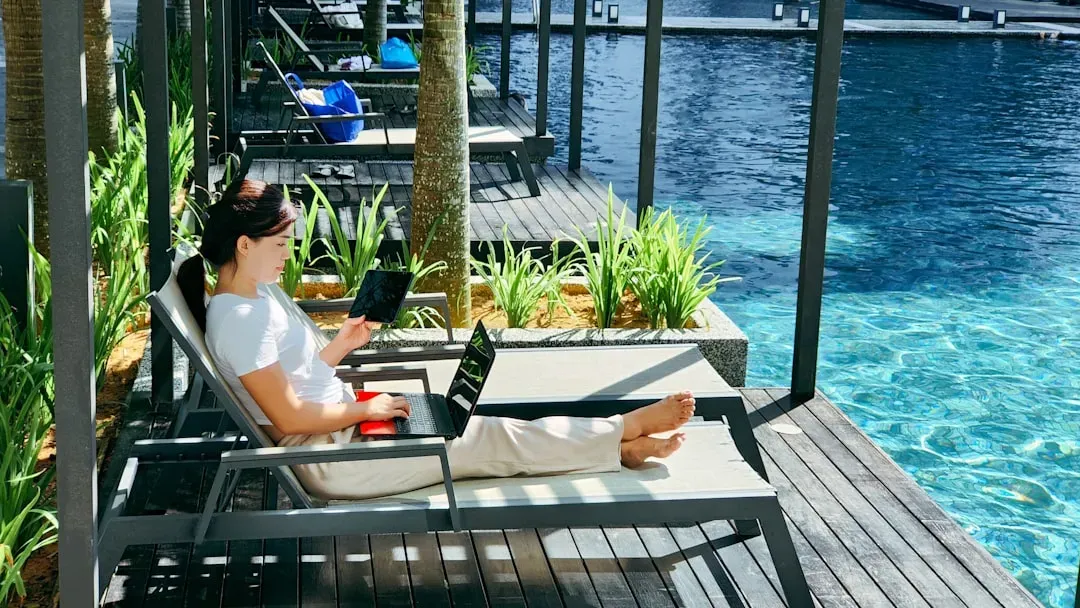
Money has a more significant impact on this decision than many lifestyle articles indicate. Digital nomads frequently utilize a strategy known as geo-arbitrage, where they earn income in a robust economy while residing in areas with a lower cost of living. This method can greatly reduce expenses on necessities such as housing and transportation. With less financial strain, it becomes simpler to save money or invest in future objectives. According to the 2024 Global Workforce Report by Remote.com, the average digital nomad earns between $75,000 and $250,000 per year, with tech, marketing, consulting, and finance being the top industries. Data from Nomad List on the cost of living indicates that digital nomads typically spend between $1,950 and $3,500 monthly, depending on the region. Housing makes up 45 to 55% of overall spending, making it the primary economic factor in nomad hubs. Earning a U.S. salary while living in a place where rent is a fraction of what it costs in New York or San Francisco presents a truly attractive financial opportunity.
Where Americans Are Going

The 2025 rankings from Nomad List highlight Portugal, Spain, and Thailand as the top locations, thanks to their affordability, security, and robust digital nomad visa options. Each nation provides a unique experience.
Spain's digital nomad visa offers an excellent opportunity for professionals who wish to reside in lively cities or peaceful coastal areas, allowing a stay of up to five years and providing access to public services, positioning it as one of the most extensive choices in Europe. According to surveys, young Americans are especially attracted to Portugal, which has become their top choice for relocation.
Southeast Asia continues to attract attention as well. Thailand has become a haven for digital nomads, providing an unmatched mix of affordability, advanced technology, and an energetic lifestyle for those working remotely looking for an economical location with excellent internet access.
The rivalry among nations to attract nomadic talent is becoming more fierce.
The Visa Situation Has Undergone Significant Changes
One of the most significant practical developments in recent years has been the growing number of governments welcoming digital nomads. As of 2026, approximately 60 countries provide digital nomad visas or remote work residency programs.
This was virtually nonexistent prior to 2020. In just a short period, digital nomad visas have transitioned from being a unique concept to a widely adopted policy, with more than forty countries offering these visas to entice international remote employees.
Over 50 nations currently provide specialized digital nomad visas, such as fresh initiatives introduced in Taiwan, the Philippines, and Bulgaria in 2025. Criteria differ significantly.
Most remote work visa initiatives demand evidence of remote employment or self-employment, consistent income, valid health coverage, and a clear criminal record. Fourteen nations offer the possibility to transition a digital nomad visa into permanent residency, while just three countries—Czechia, Greece, and Spain—provide a direct route to citizenship through these visas.
Tax Facts That Americans Should Know

The tax circumstances for American digital nomads are truly one-of-a-kind globally. The United States is the only nation, alongside Eritrea, that taxes its citizens and green card holders regardless of how long they reside outside the country.
This often surprises new travelers. If you are a U.S. citizen and your income exceeds $13,850 as a single filer under the age of 65 in 2025, you are required to submit a U.S. federal tax return, no matter where you earned the money or where you are located on April 15.
The comfort is provided by the Foreign Earned Income Exclusion. The FEIE is among the strongest resources available to American remote workers.
For the 2025 tax year, you can exclude as much as $130,000 in income earned abroad from your U.S. taxable earnings. To be eligible, your income must come from active employment, and you need to meet one of two residency criteria.
Many digital nomads who file their taxes properly end up owing nothing in federal income tax. The exception is the self-employment tax, which covers Social Security and Medicare and must still be paid no matter your location.
Gen Z Is Redefining the American Dream

No generation has adopted location independence as completely as Generation Z. The concept of residing wherever one desires while working remotely is highly appealing, with 76% of younger Americans considering this the new American Dream.
In reality, almost three out of five people view working as a digital nomad as an ideal job, with an additional 44% actively looking for digital nomad positions in 2025. The increase of Generation Z to second place within the digital nomad community has been significant.
In 2019, the oldest members of Generation Z were only 23 years old, and very few had embraced a digital nomad lifestyle. Indeed, less than 1% of digital nomads during that year belonged to Gen Z.
Nevertheless, in the last six years, Generation Z has joined the workforce and has demonstrated a passion for travel and adventure, along with the chance to combine their journeys with their professional lives. As stated by over two-thirds of the Gen Z and Millennial participants surveyed, the ability to live and work anywhere is now the new American Dream.
The Function of Artificial Intelligence and Innovation

Technology is not only facilitating the nomadic way of life but also speeding it up. 90% of digital nomads, around 89%, say they use AI in their jobs.
That's an impressive number, and it highlights why this way of living is viable in many different fields. Artificial intelligence technologies minimize the challenges of working across different time zones, managing communication, automating routine jobs, and allowing independent workers to achieve more than they might otherwise.
The Upwork In-Demand Skills 2025 report highlights that data analysis, data science, and machine learning are the most sought-after abilities among tech freelancers, with AI-related skills experiencing a 109% increase in demand compared to the previous year. The modern remote worker who succeeds is typically someone whose job combines a remote-first approach with global opportunities.
Jobs that utilize generative AI, including prompt engineering, content quality control, and automation scripting, are becoming more common.
The Struggles That Aren't Shown in Instagram Updates
The way of life is genuine, yet it comes with its own difficulties. Obstacles consist of inconsistent earnings, tax issues, gaps in health coverage, and a sense of loneliness.
Healthcare requires special focus. Numerous Americans living overseas depend on global health insurance plans, which differ greatly in terms of coverage and expenses.
Visa and work permit regulations can be complex. Several tourist visas do not legally permit remote employment, and breaking these conditions may lead to expulsion or future entry restrictions.
According to Nomad List data, the typical duration of stays at each location rose to between three and nine months by 2025. Higher travel expenses, feelings of exhaustion, and visa limitations have led digital nomads to embrace "slowmadism," focusing on consistency and more meaningful cultural experiences.
The shift towards slower travel indicates a community that has matured. The standard digital nomad profile is becoming older and now consists of families with children, which inherently requires greater stability, structure, and long-term organization than continuous movement can provide.
What is Fueling the Unspoken Element of This Narrative
The word "quietly" is significant here. Many Americans who are making this change do not inform their colleagues or share it on social media.
They arrange for remote work, handle their tax matters, locate a dependable apartment in Lisbon or Medellín, and then move forward with their lives. Interestingly, 36% of U.S. digital nomads work without their employer's official approval, according to MBO Partners' 2024 report, indicating that a substantial portion of this trend is occurring outside of formal channels.
By 2025, survey findings suggest that 65 million Americans plan to or might transition into digital nomad lifestyles in the coming years. Nevertheless, earlier research shows that only approximately 6% to 8% of those who express intent to become digital nomads will ultimately follow through.
Even without significant activity, the data highlights the appeal of this way of life, indicating that a group of individuals interested in becoming digital nomads is prepared to sustain the digital nomad movement going forward. The desire is broad.
The implementation continues to be limited, influenced by financial security, employer adaptability, individual bravery, and the readiness to deal with a truly complicated array of legal and practical challenges. The trend will not be reversed.
The elements driving the digital nomad lifestyle continue to be strong: individuals' longing for exploration, the growing presence of Generation Z in the job market, and the ongoing move toward working from home. These factors combined guarantee that digital nomadism will continue to grow in the coming years.
For those observing from the sidelines, the issue is no longer if this is genuine. The question now is what it signifies for the future of how and where Americans decide to construct their lives.
Post a Comment for "Why More Americans Are Embracing the Digital Nomad Life"