
Youth Power at the Polls
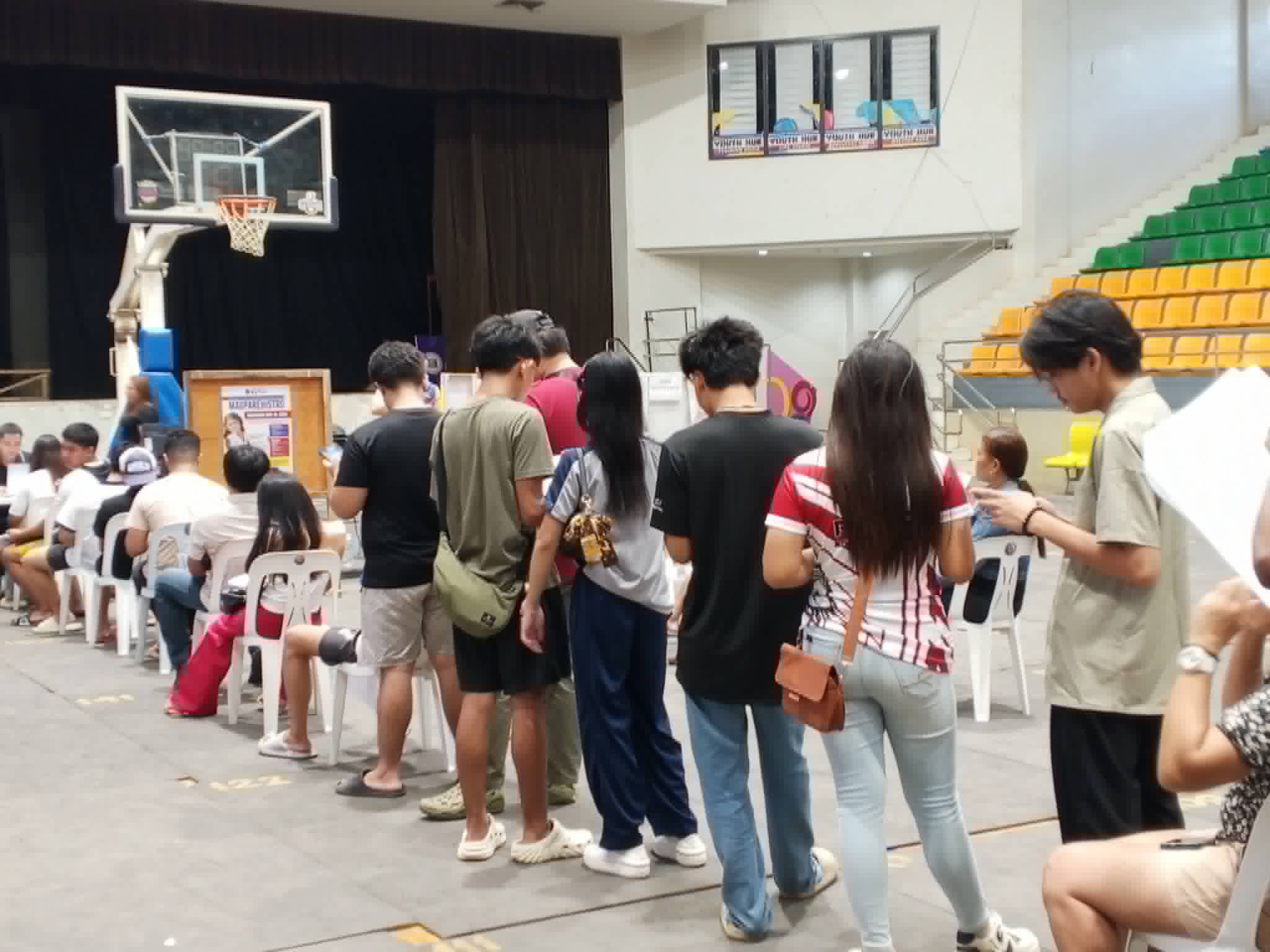
Key Details on the Barangay and Sangguniang Kabataan Elections
The last day to register for the Barangay and Sangguniang Kabataan Elections (BSKE) is tomorrow, with the polls scheduled to take place on November 2. This marks the first BSKE since Republic Act No. 12232 was signed into law on August 13, 2025, which officially postponed the December 2025 elections to the first Monday of November 2026. The new law also sets a four-year term for elected officials and allows incumbents to continue serving until November 30, 2026.
For the barangay elections, the registration is open to individuals who are at least 18 years old. Meanwhile, those aged between 15 and 30 years old as of November 2 are eligible for the SK elections.
The Commission on Elections (Comelec) recently announced that over 4.7 million people have already registered, surpassing the initial target of 1.4 million. This surge indicates a growing interest in civic participation, especially among the youth, who are increasingly aware of the importance of their vote.
Youth Engagement and Political Participation
Technology and social media have played a significant role in increasing political engagement among the youth. Platforms like X (formerly Twitter) show that young people are actively involved in discussions about various issues, including flood control scandals, impeachment proceedings against Vice President Sara Duterte, and developments in the Senate. These conversations reflect a shift from the traditional view that young people should be "seen but not heard."
According to records, the youth significantly influenced the 2022 national elections, with over 56% of registered voters being millennials and Gen Z. Millennials made up the largest group with 23.9 million (36.4%), while Gen Z accounted for 13 million (20%). With the inclusion of Gen Alpha members who are 15-16 years old this year, the number of young voters is expected to grow even more.
As former Comelec spokesperson James Jimenez once said, “If the youth can get its act together, it can become a very significant voting bloc.” A 2007 study by the United Nations Children’s Fund highlighted the potential of the SK in developing future leaders. It emphasized that giving youth a voice in local governments, providing them with a legal budget, and creating platforms for meaningful participation could transform them into active members of the community.
Challenges and Concerns
Despite the progress, there are concerns regarding issues such as corruption, nepotism, narco-politics, and vote-buying. These problems persist, and some, like nepotism and political dynasties, have even worsened over time. When the SK was established under RA 7160 or the Local Government Code of 1991, it was envisioned as a training ground for youth leaders destined to eventually step onto the national stage.
Many politicians today trace their roots to the SK, highlighting its importance as an institution that represents the interests of the youth and shapes the leadership of the country. Encouraging greater participation in SK elections is crucial to ensure that those elected genuinely aim to serve, rather than just advancing the agendas of traditional politicians.
Poverty, Inequality, and Youth Engagement
A 2024 study conducted by Far Eastern University found that although the SK's work is considered important, 84.4% of respondents had never participated in SK activities. This was attributed to a lack of enthusiasm and insufficient knowledge about SK activities. The study identified poverty and inequality, human rights and social justice, inclusive education, and mental health as key issues that could encourage more youth engagement, rather than disaster preparedness and cultural preservation.
Those elected into the SK should focus on these issues to make their work more inclusive and impactful. Ultimately, the SK should be seen as a training ground for good governance, preparing future leaders and an engaged citizenry who will hold them accountable. Without active participation in SK elections and governance, we risk seeing a repetition of the current political landscape, where leaders prioritize personal interests over the nation's well-being.
Post a Comment for "Youth Power at the Polls"