
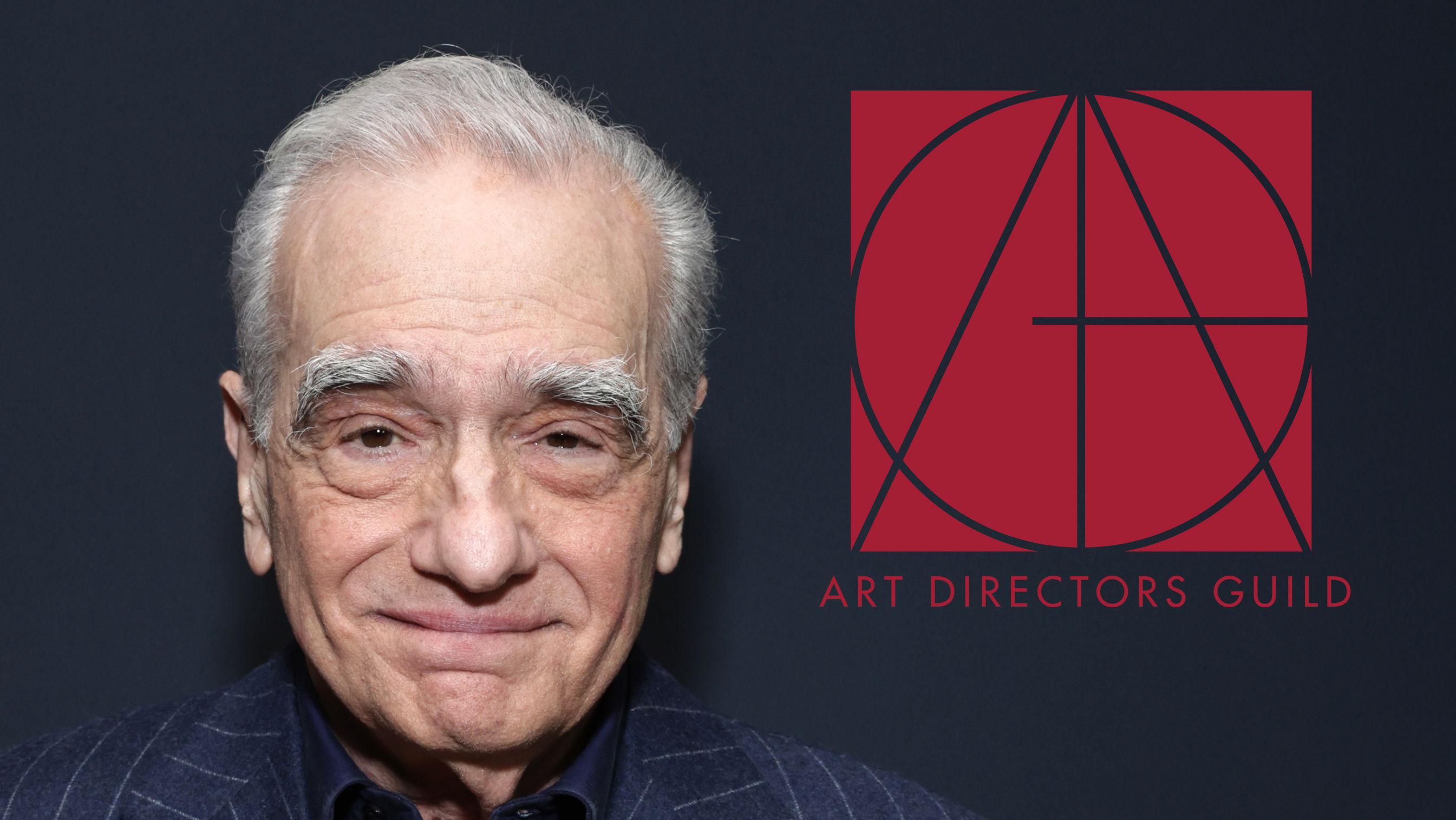
Martin Scorsese’s New Role Sparks Controversy in the Film Industry
Martin Scorsese, one of the most celebrated directors in Hollywood, has recently taken on a new role as an advisor for AI firm Black Forest Labs. This decision has sparked significant backlash from various industry groups, particularly the Art Directors Guild and IATSE Local 800. The collaboration has raised concerns about the impact of generative AI on traditional filmmaking practices and the potential erosion of creative roles.
The Art Directors Guild, IATSE Local 800 issued a strong statement condemning Scorsese’s involvement with Black Forest Labs. They accused him of betraying the collaborative nature of cinema by promoting the company’s generative AI tool, Flux, for storyboarding. The statement highlighted that Scorsese's actions undermine the contributions of human artists who have been integral to the filmmaking process for decades.
“Mr. Scorsese, The Business is not in flux,” the statement began. It criticized the director for turning his back on the human artists who have helped him create some of his most memorable works. According to the statement, the use of generative AI tools like Flux circumvents the input of union professionals such as art directors, graphic artists, illustrators, and production designers.
The guild also pointed out that generative AI systems often rely on large amounts of copyrighted material, which is likely scraped from the internet without proper consent, credit, or compensation. This practice raises ethical and legal questions about the use of AI in creative industries.
Scorsese, however, defended his decision, stating that he has always faced challenges in communicating his vision to his cast and crew. In a statement, he mentioned that he has been creating his own storyboards for 70 years and sees the potential of AI to enhance the storytelling process. He emphasized that cinema is a young medium and should be open to evolution, citing previous innovations like 3D in Hugo and de-aging technology in The Irishman.
“I’m interested in the intersection of technology and storytelling, and seeing how that can push the bounds of creativity to create deeper and richer experiences for audiences,” Scorsese said. He added that using AI tools allows him to visualize and share storyboards more efficiently, enabling his creative team to build upon them and enrich cinematic intelligence.
The debate over AI in Hollywood continues to be a contentious issue. While some see it as a tool for innovation, others fear it could replace human creativity and compromise the integrity of artistic work. The use of AI in film production has become a hot-button topic, with various stakeholders weighing in on its implications.
In addition to the controversy surrounding Scorsese’s role, the Trump administration has introduced an executive order that outlines a voluntary framework for AI companies. This framework requires AI firms to provide the government with access to new models for a 30-day review period before their release. The policy aims to address issues related to intellectual property rights, First Amendment protections, and workforce development.
As the film industry grapples with the integration of AI, the role of human artists and the collaborative nature of cinema remain at the forefront of the discussion. The debate highlights the need for balance between technological advancement and the preservation of creative integrity.
Key Points of Controversy
- The Art Directors Guild and IATSE Local 800 have criticized Martin Scorsese for promoting generative AI tools like Flux, arguing that it undermines the contributions of human artists.
- Generative AI systems are seen as relying on copyrighted material without proper consent or compensation, raising ethical concerns.
- Scorsese defends his decision, emphasizing the potential of AI to enhance storytelling and streamline the filmmaking process.
- The Trump administration's AI policy framework includes provisions for reviewing new AI models and protecting intellectual property rights.
- The ongoing debate reflects the tension between technological innovation and the preservation of traditional creative roles in the film industry.


No comments:
Post a Comment