
BC hikes minimum wage, but economists say it's still too low
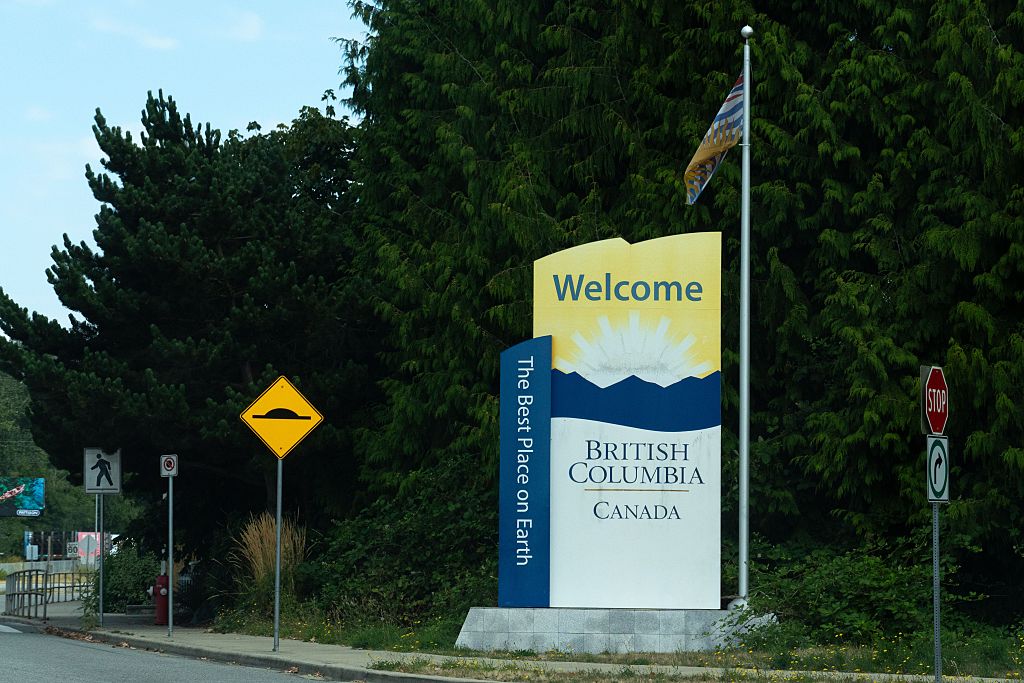
British Columbia’s Minimum Wage Increase Falls Short of Addressing Affordability Crisis
British Columbia’s minimum wage will increase to $18.25 an hour on June 1, but a new report highlights that this change may not be enough to tackle the province’s growing affordability crisis. According to research from BC Policy Solutions and Living Wage BC, around 775,000 workers—approximately one-third of all employees in the province—will still earn less than what is considered a living wage in their communities.
While the provincial government claims the increase will help workers keep up with inflation, advocates argue that rising costs for housing, food, and transportation have made the gap between wages and the actual cost of living even wider.
A Small Increase, But Not Enough
The minimum wage hike raises B.C.’s hourly rate from $17.85 to $18.25, a gain of 40 cents or about 2.1 per cent. The adjustment is tied to inflation under legislation passed in 2024, which aims to provide stability for both workers and employers as living costs continue to rise. Labour Minister Jennifer Whiteside stated that these annual increases help protect low-income workers from financial strain while ensuring wages grow alongside inflation.
B.C. currently has one of the highest minimum wages in Canada, but it also has the most expensive cost of living in the country. Housing advocates argue that inflation-based increases are no longer sufficient, as the most critical household expenses are rising faster than inflation.
According to Living Wage BC, the provincial minimum wage remains below the living wage in every single community studied. The report found that living wages range from $21.55 to $29.60 per hour across the province. Grand Forks had the lowest cost of living, while Whistler had the highest. In Metro Vancouver, the living wage is $27.85 per hour—more than $9 above the new minimum wage.
What Is a Living Wage?
A living wage is the amount a full-time worker needs to earn to cover basic expenses without experiencing chronic financial stress. This includes necessities such as housing, food, transportation, and child care. It does not account for retirement savings, debt repayment, homeownership down payments, or extraordinary family expenses.
Advocates say the distinction between minimum wage and living wage is becoming increasingly important as affordability pressures grow across the province. Since the living wage doesn’t include retirement savings or down payments, it can also be referred to as a “survivable wage.” It represents the bare minimum income Canadians need to get by.
Affordability Issues Extend Beyond Minimum Wage Workers
Although the focus has been on the minimum wage increase, many workers earning more than the minimum wage are still underpaid when compared to the living wage. The report shows that affordability challenges affect far more than just teenagers or entry-level workers.
Most workers earning less than a living wage are over the age of 25. Researchers also found significant disparities among different demographic groups. Women and racialized workers were much more likely to earn less than a living wage compared to men and white workers. In Metro Vancouver, nearly half of racialized women earn below the region’s living wage threshold.
In Kamloops, the local living wage is $24.45 per hour. Statistics Canada data for the study showed that approximately 27 per cent of the workforce—about 17,300 workers—earn less than that amount. Similar affordability pressures exist throughout the province as rents, groceries, and transportation costs continue to rise faster than general inflation.
Food prices have increased by 31.4 per cent since 2020, while rents have climbed 33 per cent during the same period. By comparison, B.C.’s Consumer Price Index rose by 22.4 per cent.
Calls for Broader Action
The findings come amid ongoing debates about how governments should address affordability. Living Wage BC argues that voluntary wage increases by employers are important but not enough on their own. The organization recommends raising the provincial minimum wage to $20 per hour, expanding affordable housing construction, strengthening income support programs, and investing further in public transit.
More than 500 employers across British Columbia have already adopted living wage certification programs voluntarily. However, advocates say broader government action is still needed. Approximately one-third of all workers in the province make less than a living wage.
Post a Comment for "BC hikes minimum wage, but economists say it's still too low"