
Billions in Loans Failed to Alleviate Global Poverty
The Rise and Fall of Microfinance
BATTAMBANG, Cambodia—Giving tiny loans to shoestring entrepreneurs was meant to be capitalism’s cure for global poverty. Microfinance, loans issued in communities not served by traditional banks, would help poor people in developing countries start businesses and work their way toward prosperity. That was the goal of Muhammad Yunus, a U.S.-trained economist, who pioneered the practice in Bangladesh during the 1970s.
“In a poverty-free world, the only place you would be able to see poverty is in the poverty museums,” Yunus told his audience in Oslo in 2006 when he accepted the Nobel Peace Prize for his work.
Led by the adage of “doing good while doing well,” microfinance lenders have since advanced hundreds of billions of dollars to poor people in countries from Albania to Zimbabwe. Prominent voices including Hillary Clinton and Natalie Portman told inspiring tales of women entrepreneurs lifting the fortunes of their communities. Along with easing poverty, microfinance aimed to expand access to education and end gender inequality.
Yet two decades after Yunus’s Nobel win, few of those aspirations have come to pass.
Academic studies, including randomized controlled trials, have found that microfinance doesn’t improve the economic conditions of most borrowers. Economists found excessive microfinance lending has set off repayment crises for borrowers in half a dozen countries, including Bosnia, India and Cambodia.
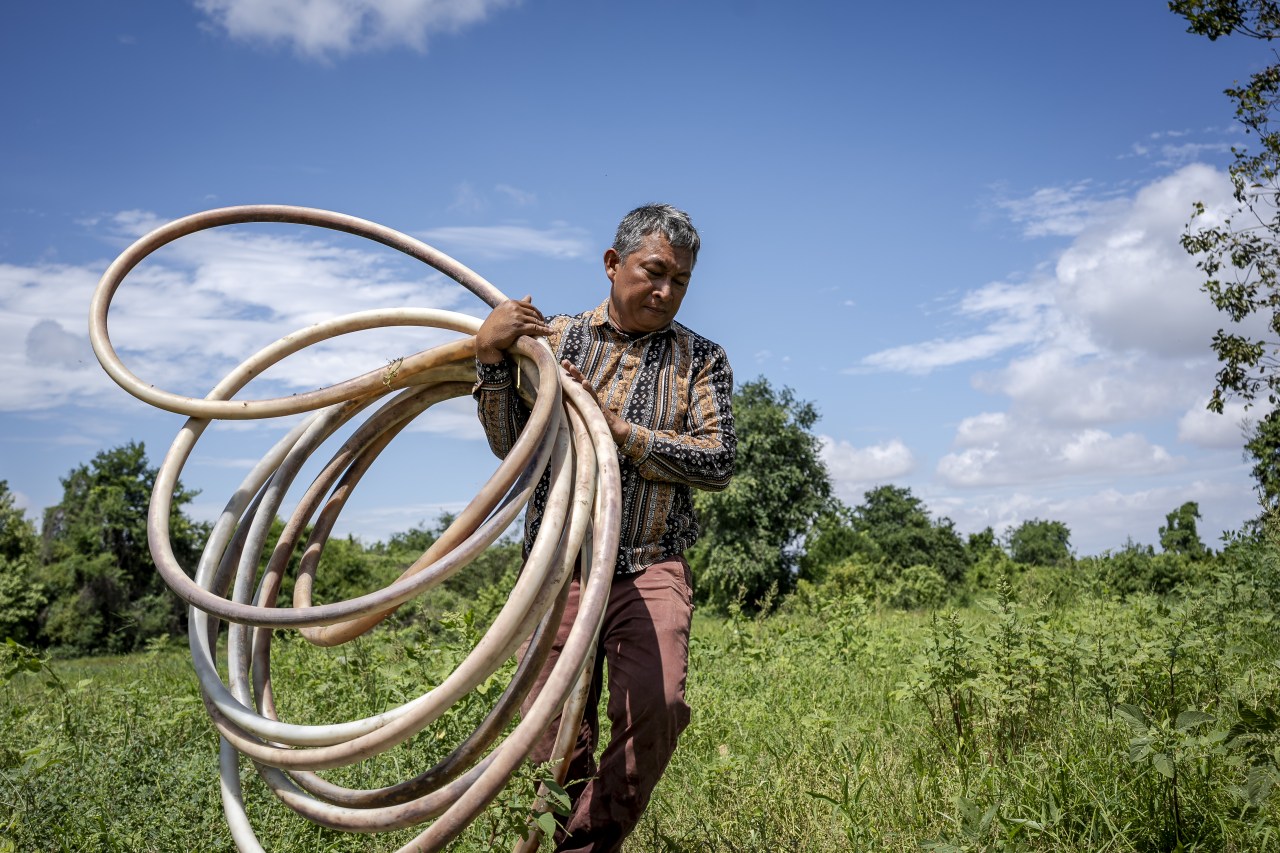
High interest rates, which can top 100% in some Latin American countries, and pressure tactics by loan officers have been tied to suicides, homelessness and children pulled from school to work. Rather than using the loans to invest in small businesses, many borrowers spend the money on medical expenses and other necessities.
Today, most microfinance lenders have little resemblance to Yunus’s vision.
Drawn by high interest rates and a low number of defaults, Wall Street and other banks piled into the market. They bought stakes in microfinance lenders, extended financing or sold securitized microfinance debt. More capital came from taxpayer-funded development agencies such as the U.S. International Development Finance Corp. and the World Bank.
Last year, microfinance lenders around the globe had outstanding loans valued at $219.7 billion to more than 140 million borrowers, according to calculations from Atlas, which collects annual data from the sector for Italy-based rating agency MFR.
The size of the loans also has ballooned, increasing payment burdens. Borrowers owed an average of $1,381 in 2025, nearly double what it was in 2009, according to Atlas. The Wall Street Journal viewed individual loan contracts as high as the tens of thousands of dollars.
The hardening evidence of microfinance’s failure to alleviate poverty should have led to a rethinking of its use as a development tool, said Rafe Meager, an associate professor at the University of New South Wales in Australia, who has studied the academic research on microfinance.
“There still hasn’t been this kind of reckoning in a serious way,” Meager said.
Green Shoots
Yunus got the idea of extending tiny loans to impoverished borrowers in 1974. He was a young economics professor at Chittagong University in Bangladesh visiting a village during a nationwide famine. There, he met Sufia Begum, a young mother who made bamboo stools to sell.
Begum and other women in the village earned only pennies selling their wares after borrowing to buy supplies from a local vendor. Yunus said he gave the women the equivalent of $27 to clear their debts and thought of ways to offer affordable credit to the smallest entrepreneurs.
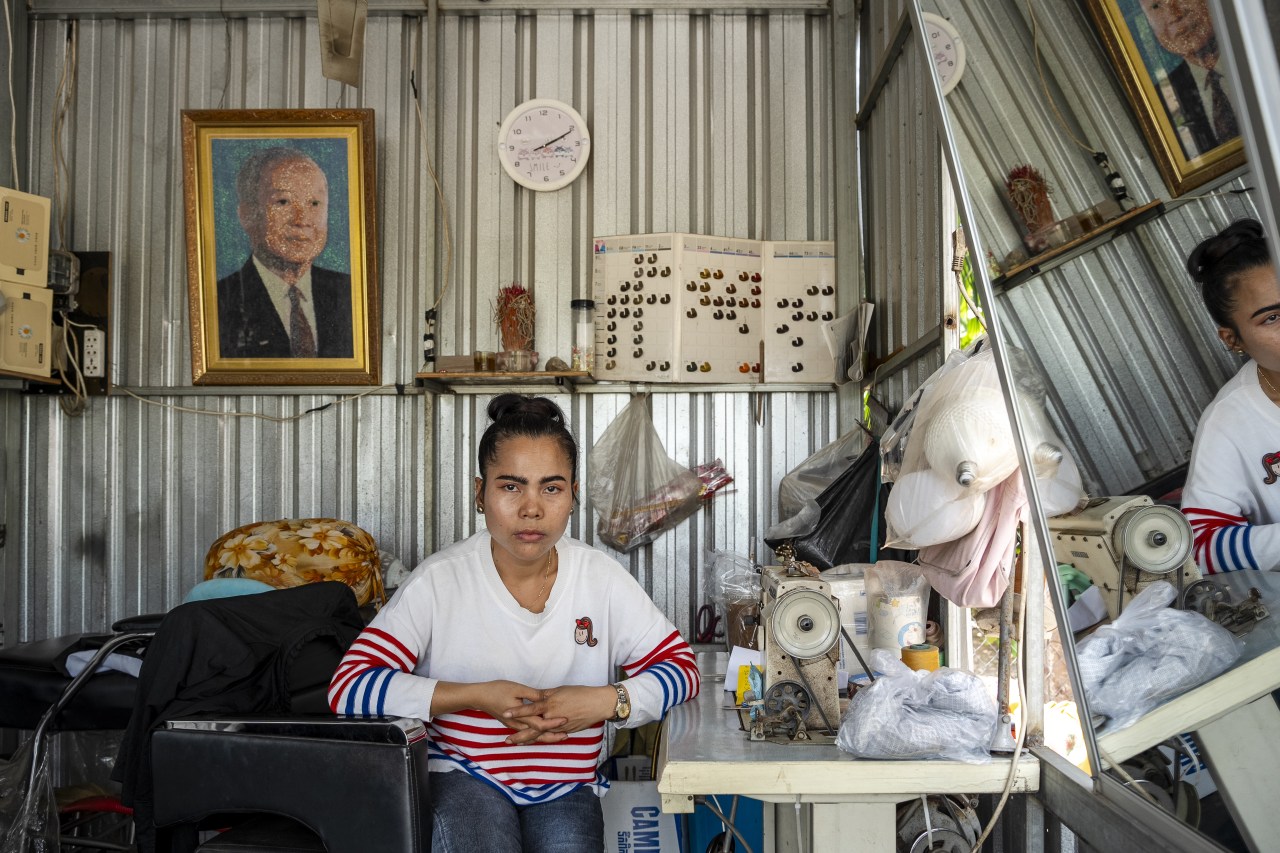
In 1983, Yunus founded Grameen Bank to provide such loans, and soon became the face of a global movement to bring banking to the poor.
Around the same time, Jeffrey Ashe, an American sociologist, began studying so-called solidarity groups in El Salvador, where, similar to Grameen Bank’s early efforts, five borrowers collectively take out loans. If one can’t repay the loan, the others cover it.
With funding from the U.S. Agency for International Development, Ashe tested microfinancing in Latin America, Asia and Africa for Accion International, a Massachusetts-based nonprofit. Accion has since started or invested in more than 100 microfinance lenders worldwide, including in the U.S.
In 2007, Mexico’s largest microfinance lender, Compartamos Banco, raised about $450 million in an initial public offering. The lender’s early backers collected tens of millions in profits, led by Accion and the International Finance Corporation, the World Bank’s private-investment arm.
A turning point came in 2010. Politicians in the Indian state of Andhra Pradesh blamed microfinance loans for a wave of suicides. Local officials said dozens of lenders, under pressure to increase balance sheets to attract foreign investors, signed up impoverished borrowers with little regard for their ability to repay.
Yunus warned that for-profit microfinance lenders began to resemble the loan sharks they were supposed to replace.
Five years later, the “American Economic Journal: Applied Economics” dedicated a quarterly issue to disappointing results from randomized evaluations of microfinance in six countries. None of the studies found statistically significant increases in income in families who received micro loans.
One study, covering Ethiopia, saw a significant drop in food consumption among households that took the loans.
Underwater
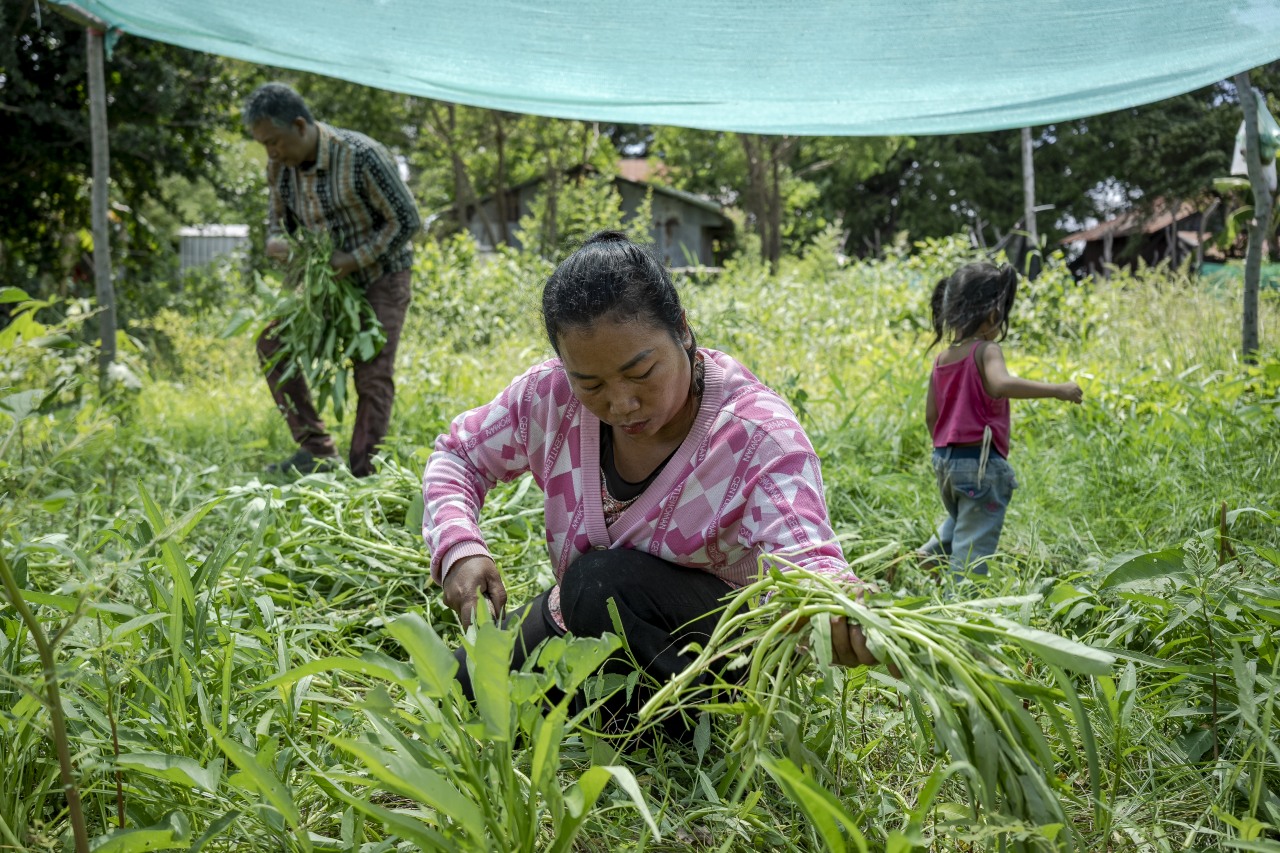
Samrith Sarav, a 47-year-old mother of three in Battambang, Cambodia, said she took her first microfinance loan in 2015, borrowing $3,000 to renovate her parents’ roof and buy fertilizer for farming their small plot of land.
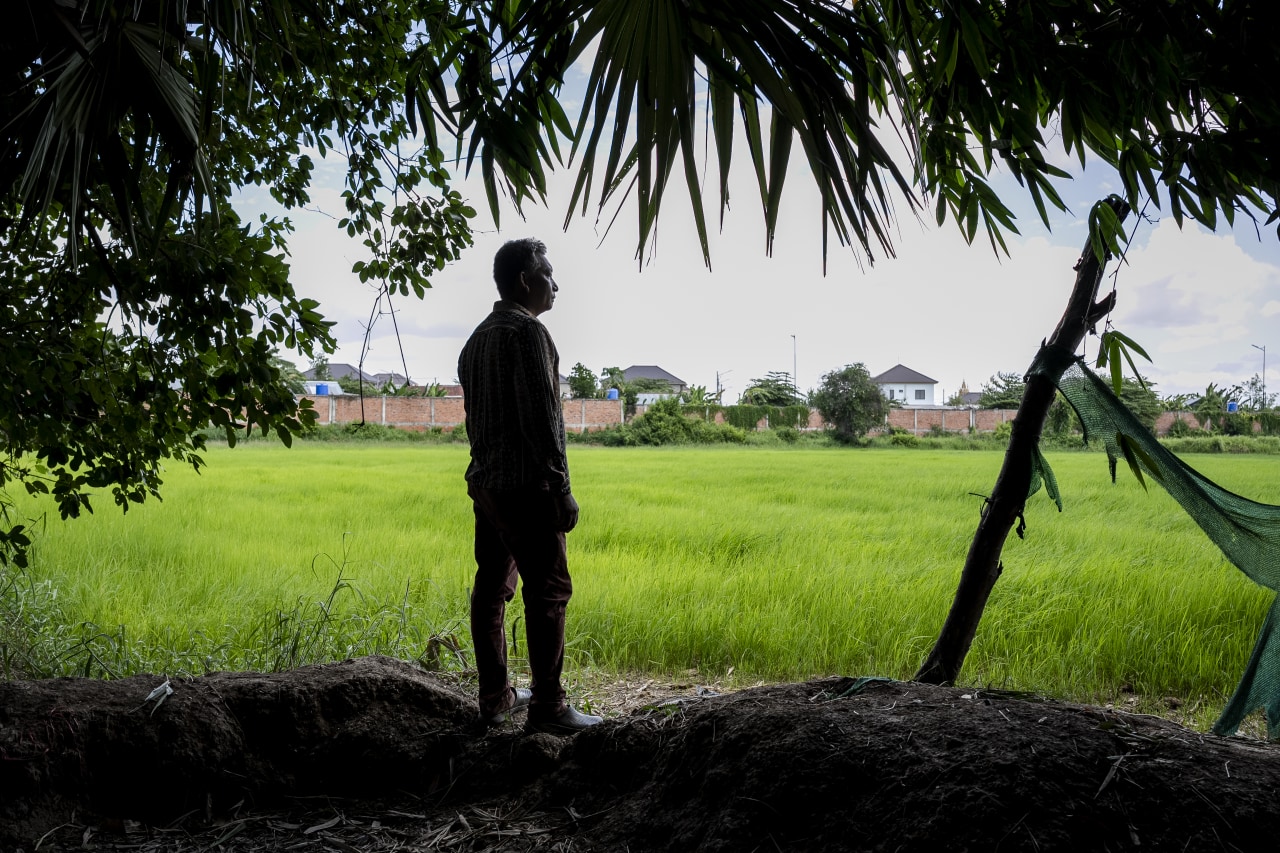
A year later, Samrith Sarav was behind on payments. She asked her mother to take another $3,000 loan from a different lender, seeking to pay off the balance and buy more farm supplies. She is still trying to pay off that loan, which is secured by her parents’ land.
Looking to increase their income, the family moved from the countryside to Battambang. Samrith Sarav sorted garbage at a recycling plant for as little as $1 a day to supplement her husband’s daily earnings of $5 to $7 as a motorcycle taxi driver.
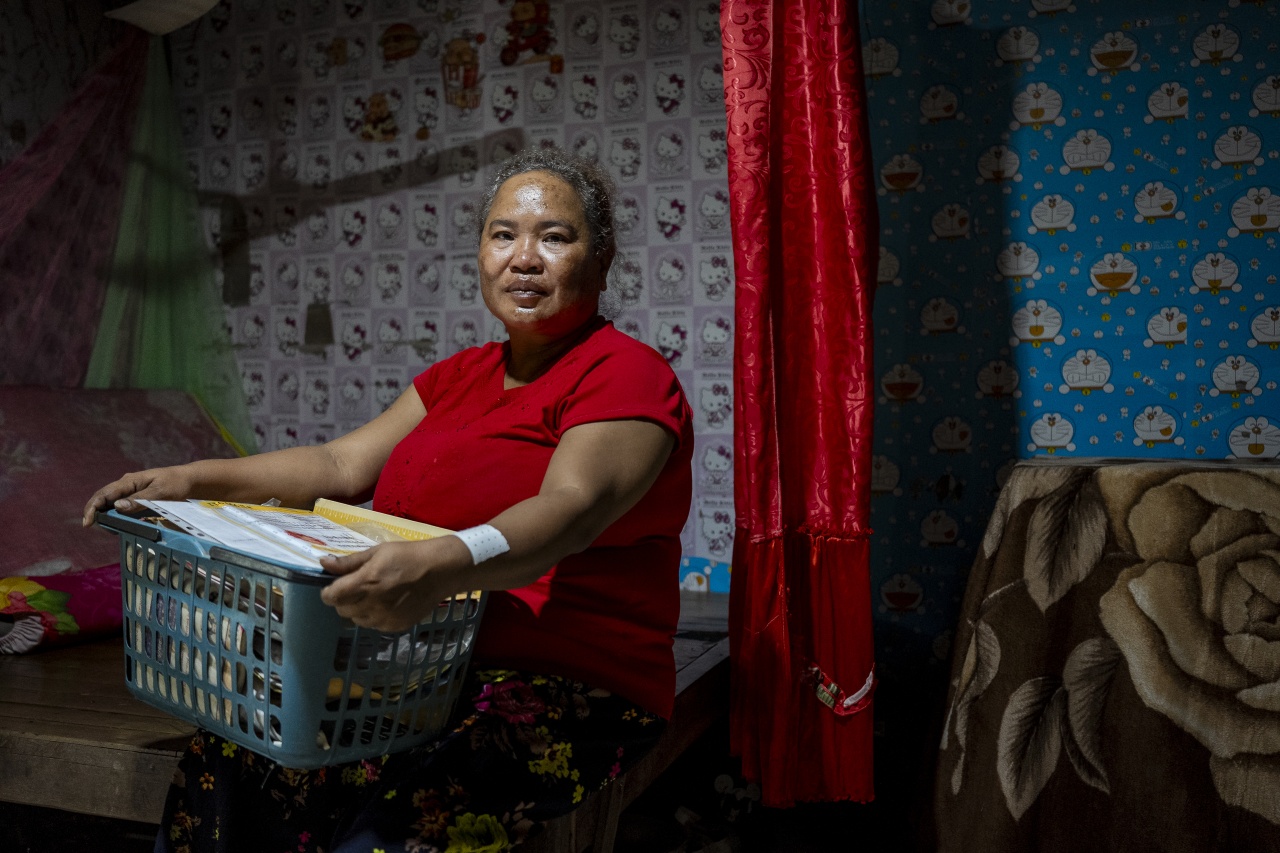
When they still fell short, Samrith Sarav’s son dropped out of school at age 13 to join his mother at the recycling plant. Samrith Sarav said she has borrowed money from neighbors and loan sharks to make her monthly microfinance payments.
The weight of the $80 monthly loan payments—which cover only interest—and the threat of her parents losing their land, torments Samrith Sarav. “In the past year, it has been hard,” she said. “I didn’t want to live anymore. My mind was spinning, I couldn’t sleep.”
What stops her from taking her life, she said, is the thought of saddling her sons with her debts.
The average microfinance borrower in Cambodia owes more than $3,900, nearly three times the median annual per capita income. Average debt per borrower is more than $6,000 when including small loans from microfinance lenders that are now commercial banks also providing other financial services.
At the end of 2025, one in 10 microfinance loans in Cambodia was more than 30 days overdue; an additional 7.4% have been restructured, usually by lenders cutting interest rates or extending a new loan to pay back an earlier one. That practice has become so common that it yielded its own name in Khmer—bingvul loy, or “cycling money.”
Signs of strain also are showing in India, where the share of micro loans at least 30 days overdue tripled to 6.2% in 12 months to March 2025, the most recent data.
In Mexico, where microfinance lenders have come under fire for charging effective annual interest rates above 400%, a popular lender, Consejo de Asistencia al Microemprendedor, went into liquidation last year.
Microfinance’s breakneck expansion in Cambodia in the early 2010s coincided with a government push to formalize land ownership. Contrary to Yunus’s vision that debts shouldn’t be collateralized, most of Cambodian microfinance loans greater than $3,000 are secured by a borrower’s land, which is the main hard asset for most poor families.
In some villages, microfinance officers on motorbikes turned up for land-title distribution ceremonies, ready to write new loans.
Individual micro loans now range from a few hundred dollars to as much as $1 million, according to the Cambodian Microfinance Association. The group represents the country’s more than 80 microfinance lenders, whose branches line the main streets of many towns and cities.
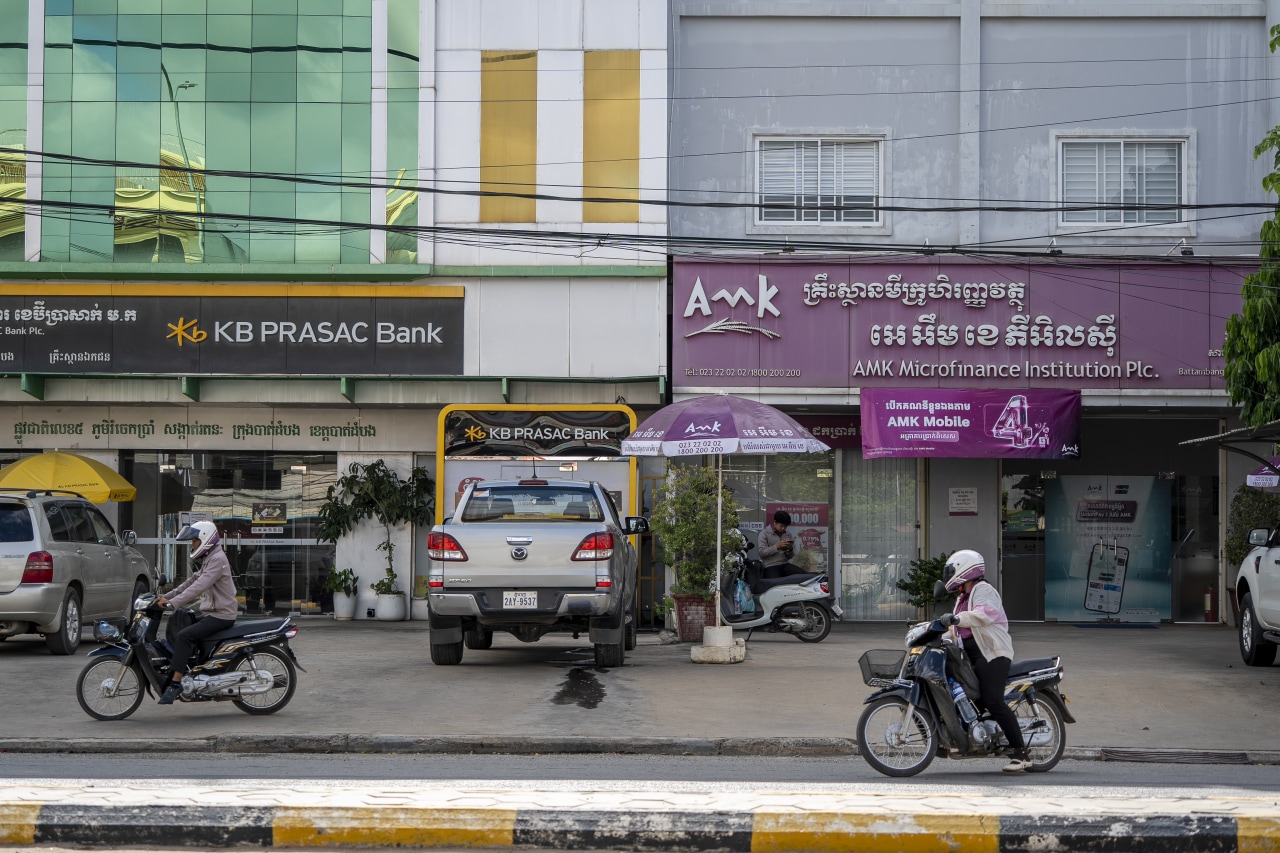
Prasac, the lender that gave Samrith Sarav’s mother a $3,000 loan in 2016, started out as a European Union aid project in the 1990s. It is now owned by South Korea’s KB Kookmin Bank, which paid $603.4 million for a 70% stake in 2019. Sarav herself has a $1,000 loan from AMK, a microfinance lender that was started by Irish nonprofit Concern Worldwide.
The originators of other leading Cambodian lenders that have since been commercialized include Baltimore-based Catholic Relief Services and the Québec-arm of Oxfam. North Haven Thai Private Equity Rumdul, a private-equity fund managed by Morgan Stanley, holds a 3.5% stake in Acleda, a microfinance-lender-turned-bank that was started by the International Labor Organization and the United Nations Development Program.
Morgan Stanley declined to comment and KB didn’t respond to requests for comment.
Two Cambodian human-rights groups have filed a complaint with the ombudsman of the International Finance Corp., alleging the World Bank’s private investment arm ignored its own standards when it continued financing Cambodian microfinance lenders, including Prasac, despite what they say is evidence of predatory practices.
“We have documented hundreds of cases of microfinance credit officers pressuring borrowers to sell their land and borrow more money, from formal and informal sources, in order to make repayments,” said Naly Pilorge, outreach director of Licadho, one of the groups.
Licadho said it has documented 23 suicides and dozens of cases of migration, child labor and decreased food consumption linked to microfinance debt.
A spokesman for the World Bank Group said it had worked to address gaps in regulation and consumer protection in Cambodia by helping establish a national credit bureau and financial consumer center to improve risk management and protect borrowers. The National Bank of Cambodia and lenders with direct financing from the International Finance Corp. have a strong record of providing repayment relief for borrowers who file complaints, he said.
“Microfinance can be an important source of access to finance that helps people to grow businesses, raise incomes, and create jobs,” the spokesman said.
The National Bank of Cambodia said that while it was aware of what it called isolated cases of borrowers facing difficulties, they shouldn’t be generalized to the overall microfinance sector in the country.
In recent years, lenders and researchers have explored ways to optimize microfinance, for instance by giving borrowers more time before making their first repayment, similar to traditional business loans, or accompanying loans with courses in financial literacy. Newer studies found that microfinance is effective at helping existing entrepreneurs expand their businesses.
Jonathan Morduch, a professor at the Wagner Graduate School of Public Service at New York University, said that while microfinance hasn’t transformed the lives of borrowers or their communities in the way Yunus envisioned, it has successfully created commercially viable institutions that provide financial services to the poor.
Loans can help borrowers bridge short-term cash crunches, such as a medical bill or the months from planting to harvest. “It’s not perfect in lots of places, but we just have to think about what the baseline is,” Morduch said. “Just providing liquidity is important.”
Post a Comment for "Billions in Loans Failed to Alleviate Global Poverty"