
Bird of Prey's Survival Struggle After Plane Incident at Jersey Airport
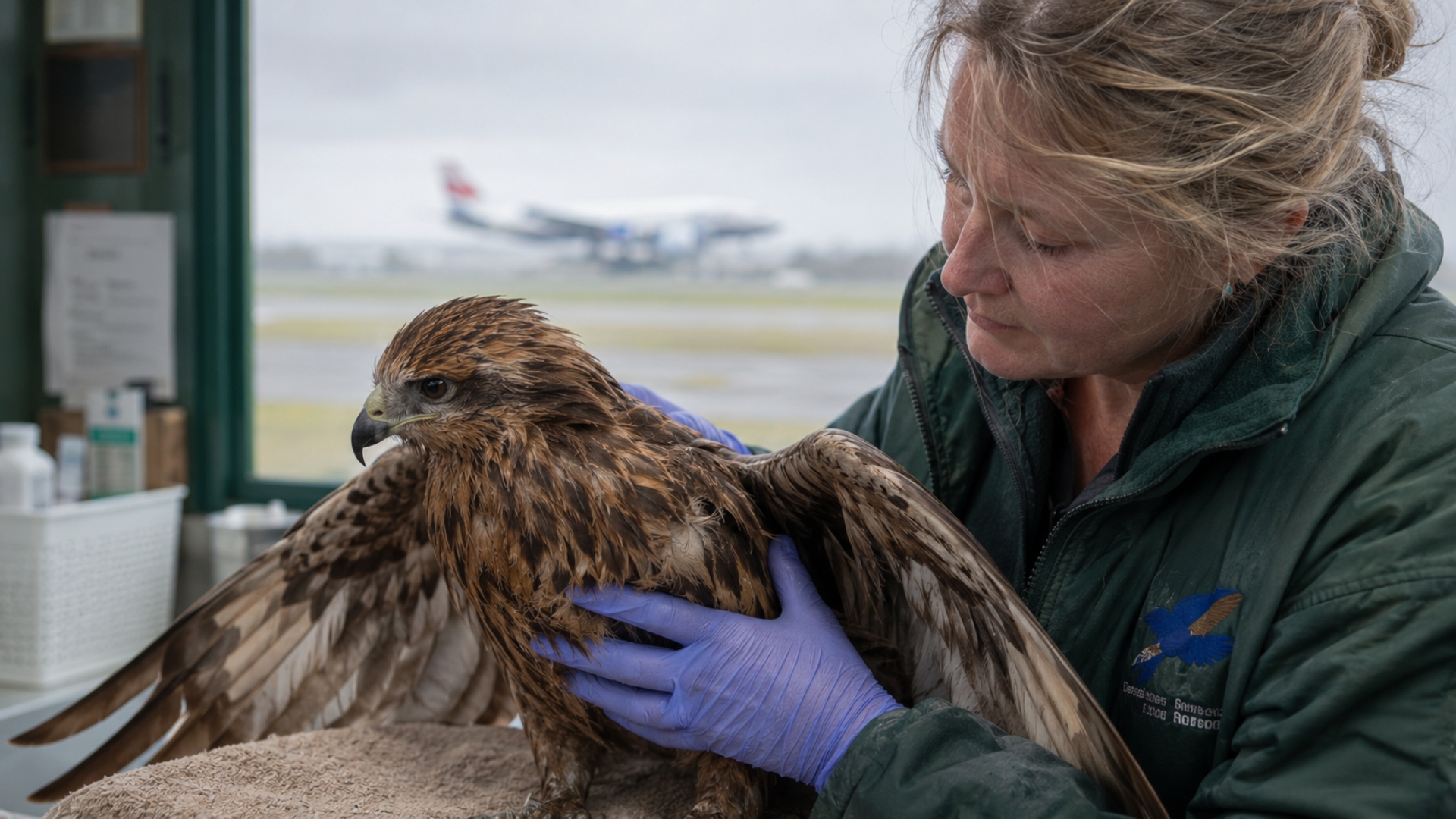
A Rare Survivor After a Violent Encounter
A marsh harrier is currently fighting for its life after sustaining serious injuries during an incident involving an aircraft at Jersey Airport. The bird of prey was taken into the care of the Jersey Society for the Prevention of Cruelty to Animals (JSPCA), where wildlife specialists and veterinarians are working to stabilize it. According to the charity, the male harrier appears to have experienced a significant impact, leaving its chances of survival uncertain.
While the exact circumstances remain unclear, wildlife rescuers believe the bird may have either been struck by an aircraft or caught in powerful turbulence generated by a plane's engines before being thrown to the ground. This type of incident is rare but highlights the ongoing challenges that wildlife faces in areas where human activity and natural habitats intersect.
The Extent of the Injuries Remains Serious
The JSPCA described the impact as severe, with the bird requiring careful veterinary treatment following its rescue. Wildlife rehabilitators often face difficult decisions when treating birds that have suffered major trauma. Injuries caused by collisions or sudden impacts can include broken bones, internal bleeding, neurological damage, or damage to vital organs that may not be immediately apparent.
In this case, the organization has said it is "touch and go" whether the marsh harrier will survive, underscoring the seriousness of its condition. Despite the uncertainty, the fact that the bird survived the initial incident has been described as remarkable.
Airports Present Unique Challenges for Wildlife
Airports are carefully managed environments where wildlife and aviation sometimes come into conflict. Large birds can pose significant risks to aircraft, particularly during takeoff and landing when planes operate at lower altitudes. For that reason, airports around the world use a range of measures designed to reduce the likelihood of birds entering active flight paths.
At the same time, many airports are located near open grasslands, wetlands, coastlines, or agricultural areas that can attract wildlife. Birds of prey may be drawn to these locations because they support populations of rodents, small birds, and other prey species. Incidents involving aircraft and wildlife are relatively uncommon when compared with the vast number of flights that take place each year, but when they do occur, the consequences can be severe for both animals and aviation operations.
Marsh Harriers Depend on Healthy Wetland Habitats
The marsh harrier is one of Europe's most distinctive birds of prey, known for its long wings, low hunting flight, and preference for wetlands, reedbeds, and marshy landscapes. Once heavily affected by habitat loss and persecution in parts of its range, the species has benefited from conservation efforts and habitat protection in several regions.
Although populations have recovered in some areas, marsh harriers still depend on suitable wetland environments for breeding and feeding. Their hunting style often brings them close to open landscapes where human activity is common, increasing the chances of encounters with infrastructure such as roads, power lines, and airports.
Wildlife Rescue Efforts Often Continue Against the Odds
For wildlife rehabilitators, cases involving major trauma can be among the most challenging. Even when a bird survives an initial injury, recovery may take weeks or months, and the animal must eventually be capable of flying, hunting, and surviving independently if it is to be released back into the wild.
The coming days are likely to be critical for the injured marsh harrier. Veterinary teams will continue monitoring its condition while assessing whether its injuries can heal sufficiently for recovery. The outcome of this case will be closely watched by conservationists and wildlife carers alike.
Why the Outcome Matters
The fate of a single bird may seem like a small event, but incidents like this highlight the complex relationship between modern infrastructure and wildlife. Birds of prey play important roles in ecosystems by helping regulate prey populations and maintaining ecological balance. Their survival often depends on landscapes where human activity and natural habitats increasingly overlap.
Whether this marsh harrier ultimately recovers remains uncertain. For now, conservationists and wildlife carers are focused on giving the bird every possible chance to survive a traumatic encounter that few wild animals would endure.
Post a Comment for "Bird of Prey's Survival Struggle After Plane Incident at Jersey Airport"