
California's Wealth Tax to Go Before Voters as Ultra-Rich Prepare for Next Step
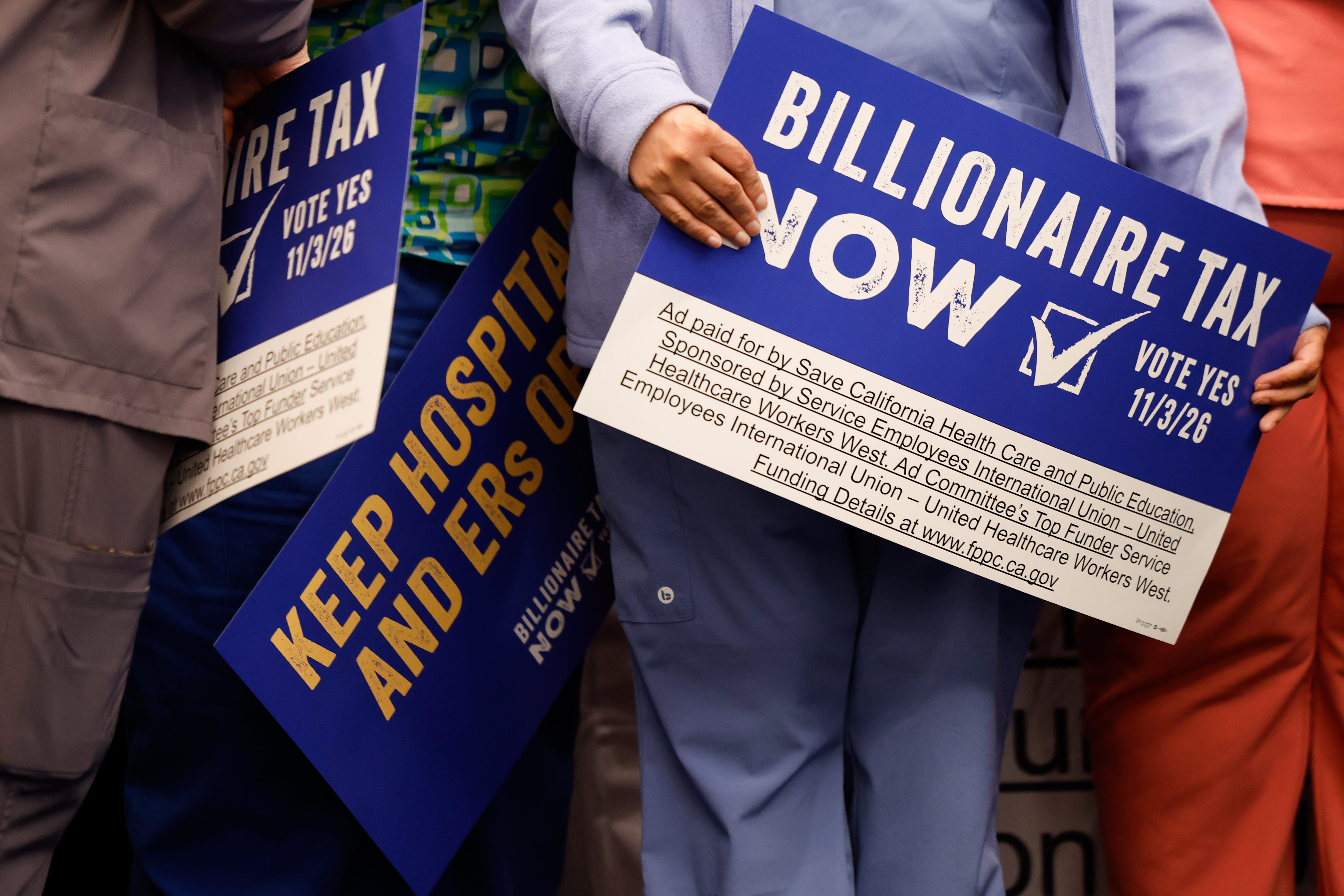
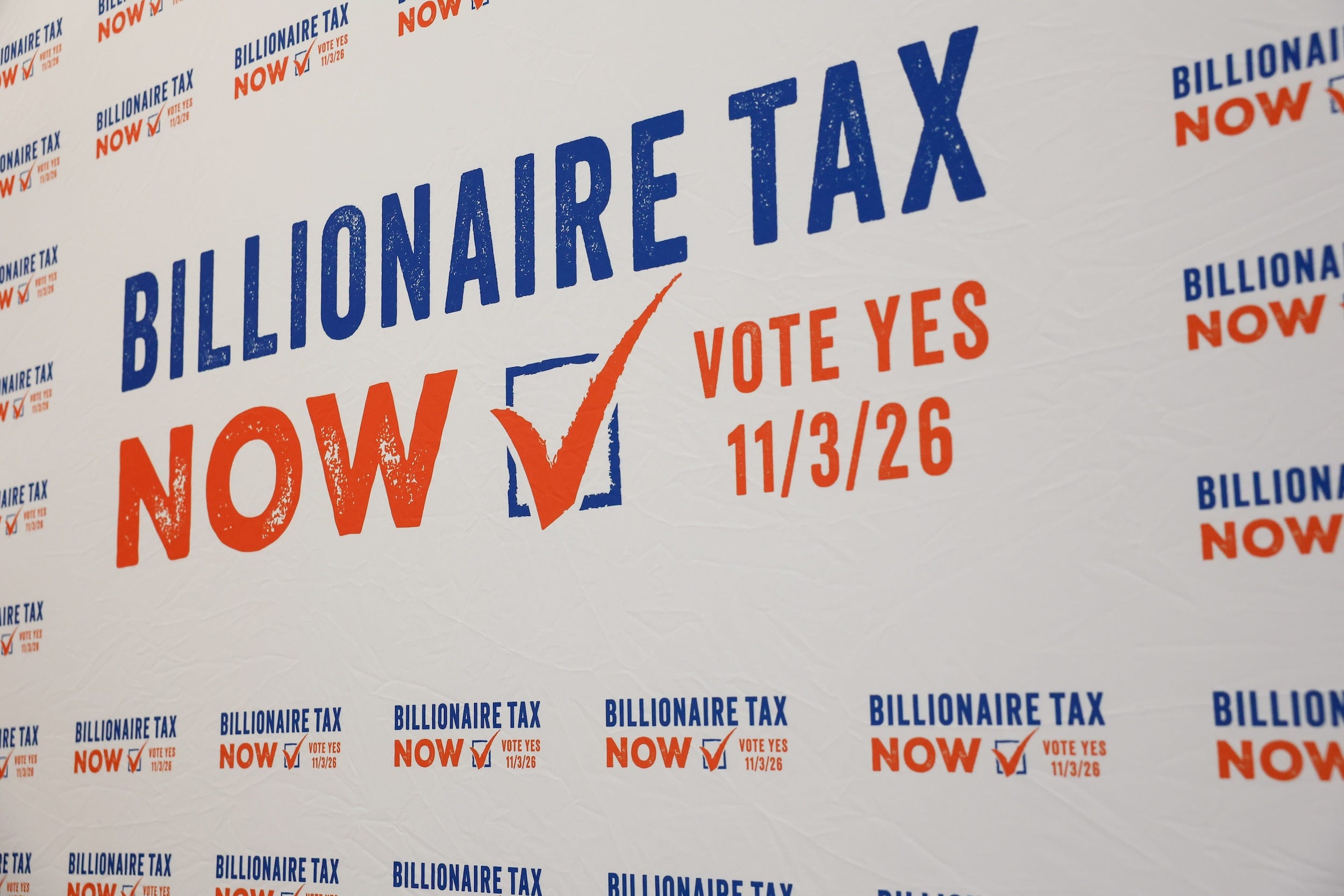
California's proposed billionaire tax is headed to the ballot in November. This initiative, which would impose a one-time 5% tax on the net worth of billionaires, has sparked significant debate and concern among the state's wealthiest residents.
The measure is now set to appear on the November ballot after opponents, including Governor Gavin Newsom, failed to reach an agreement with the union that supports it before the June 25 deadline. With over 200 billionaires residing in California—more than any other state or country—the potential for this tax to become law has prompted many of them to consider their next moves.
Billionaires are bracing for the possibility of this 5% tax, and some may even choose to leave the state regardless of whether the measure passes. Advisors to the ultra-wealthy have reported that their clients are already preparing for the financial implications of the tax, with several high-profile individuals taking steps to reduce their ties to California.
David Lesperance, a lawyer who advises the ultrawealthy on immigration, citizenship, and taxes, stated that his clients are already making plans to move out of California. He mentioned that seven of his clients had relocated before January 1, 2026, as the tax is written to apply retroactively to those living in the state as of that date. High-profile figures like Google co-founders Sergey Brin and Larry Page have also taken steps to minimize their California connections ahead of the deadline.
Lesperance noted that while the tax is framed as a one-time levy, his clients believe it could be the beginning of a broader trend. Even if they are subject to this tax, they may not stay in California to face future ones.
Michael Cole, managing partner at R360, an exclusive club for ultra-high-net-worth families, said that many of the wealthy have long felt disillusioned with California. He described the wealth tax as "another example of people feeling like California is at the leading edge of undue tax onto those that succeed."
The billionaire tax is likely to face legal challenges if it passes. One major concern is how the 5% tax on net worth will be calculated, particularly for individuals whose wealth is tied up in private companies. For instance, founders with assets exceeding $1 billion but primarily held in stock could face unexpected cash demands, even if the company's value hasn't been realized yet.
Kristin Yokomoto, a private wealth and family office services attorney, highlighted potential legal issues such as due process, the retroactive application of the tax, and the complexities of applying the tax to net worth rather than income. She pointed out that scenarios involving out-of-state assets or divorce could complicate the implementation of the tax.
Governor Newsom has opposed the tax and has instead advocated for a federal wealth tax, which he believes would be harder for billionaires to avoid by relocating. Although a federal wealth tax is still unlikely, Lesperance said it is already being considered by his clients, who are exploring options for pursuing citizenship abroad.
Proponents of the tax, which aims to fund healthcare services, argue it is necessary to offset federal funding cuts. However, some left-leaning opponents, including healthcare and labor groups, have questioned its sustainability as a long-term solution.
Lesperance mentioned that some of his clients are funding lobbyists to work on tax solutions that better serve their interests while also addressing California's concerns. He described the challenge of taxation as "plucking the golden geese with the least amount of hissing."
If you enjoyed this story, be sure to follow Business Insider on MSN.
Post a Comment for "California's Wealth Tax to Go Before Voters as Ultra-Rich Prepare for Next Step"