
Canada approves beluga whale transfer from contentious marine park
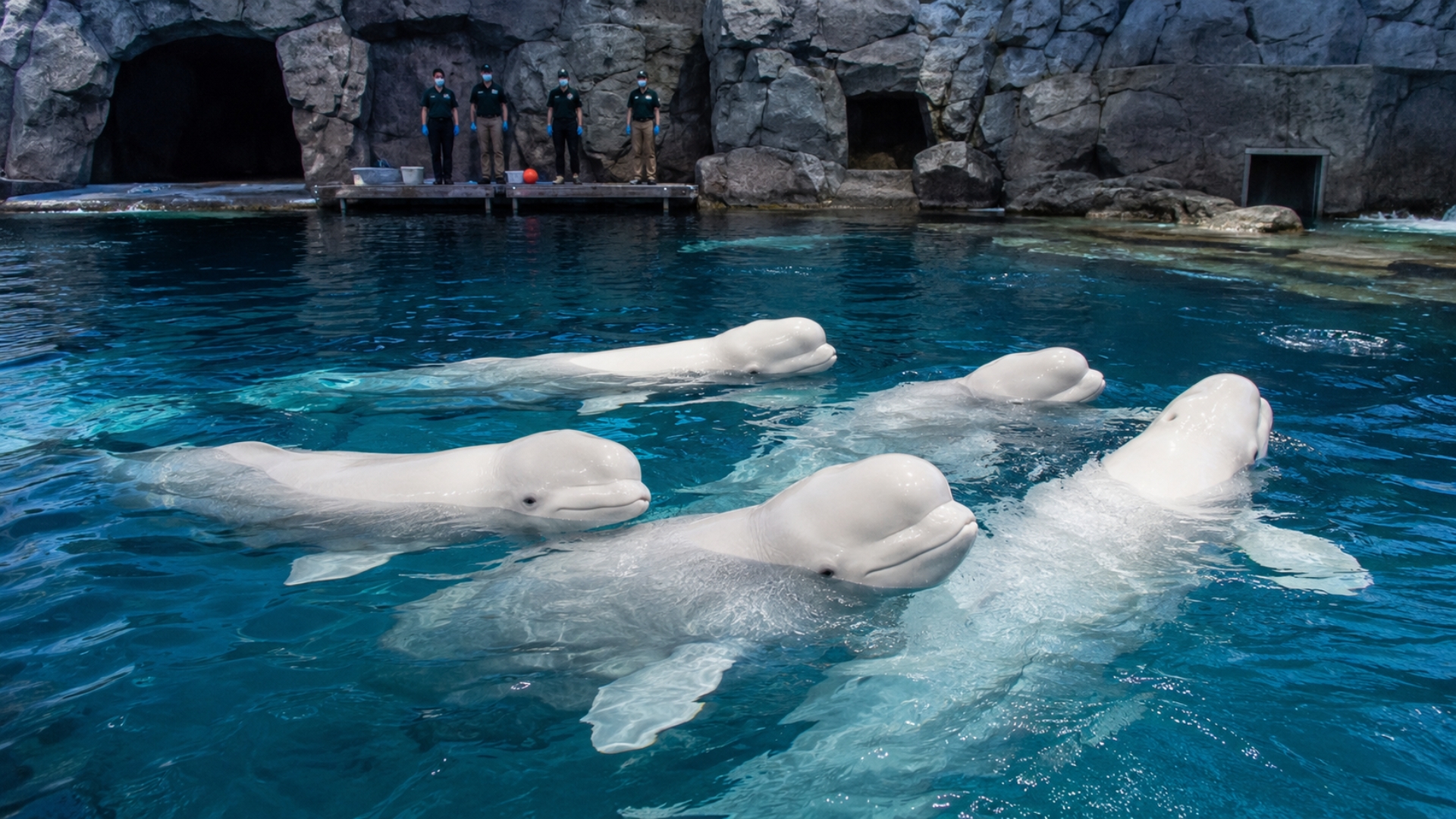
A New Chapter for One of the World's Largest Captive Beluga Populations
A major relocation plan involving dozens of beluga whales could reshape the future of captive marine mammals in North America. Canadian authorities have approved an agreement that would allow a significant number of belugas from Marineland, a marine park in Ontario, to be transferred to another facility. The decision follows years of debate surrounding the welfare of the park's animals and the long-term future of one of the largest captive beluga populations in the world.
The move represents one of the most significant marine mammal transfers ever proposed and has drawn attention from animal welfare advocates, conservationists, and marine park operators alike.
Why Marineland Has Been Under Scrutiny
Marineland has faced years of public scrutiny over the care and welfare of its animals. The park, located in Niagara Falls, has been the subject of investigations, legal proceedings, and criticism from animal welfare organizations. Concerns have focused on animal care standards, enclosure conditions, and the future management of marine mammals held at the facility.
While the company has disputed many allegations over the years, the controversy has fueled ongoing discussions about the role of captive marine mammal facilities in the modern era. The approved transfer agreement is viewed by many observers as an attempt to address long-term concerns regarding the welfare and management of the whales.
Why Beluga Whales Present Unique Challenges
Beluga whales are among the most distinctive marine mammals on Earth. Native to Arctic and sub-Arctic waters, belugas are highly social animals that typically live in groups and communicate using a wide range of sounds. Their vocal nature has earned them the nickname "canaries of the sea."
In the wild, belugas travel vast distances, navigate complex environments, and form dynamic social relationships. These characteristics make their care in captivity particularly demanding. Facilities housing belugas must manage not only the animals' physical health but also their social structures, environmental enrichment, and long-term welfare needs.
Moving Whales Is a Complex Operation
Transferring large marine mammals is far more complicated than transporting most zoo animals. Belugas can weigh well over a ton and require carefully planned veterinary supervision throughout any relocation process. Specialized equipment, custom transport containers, environmental controls, and extensive health assessments are typically necessary to ensure animals arrive safely.
For social species such as belugas, managers must also consider existing bonds between animals and how new social groupings may affect their wellbeing. Because of these factors, large-scale whale transfers are relatively rare and can take months or even years of planning.
The Wider Debate Over Captive Cetaceans
The relocation also highlights a broader global discussion about whales and dolphins in human care. Supporters of marine facilities often argue that professionally managed institutions contribute to research, veterinary advances, education, and public awareness of marine conservation issues.
Critics counter that highly intelligent, wide-ranging marine mammals cannot fully express their natural behaviors in captive environments and should not be bred or displayed for entertainment purposes. In recent decades, several countries have tightened regulations governing cetacean captivity, while some facilities have shifted their focus toward rescue, rehabilitation, and conservation work.
The future of captive whale management remains a subject of active debate among scientists, policymakers, and animal welfare organizations.
What Happens Next?
Although approval has been granted, the actual transfer process is expected to involve extensive oversight and planning. Veterinary evaluations, transportation logistics, facility readiness, and regulatory requirements will all play important roles before any animals are moved.
The timeline for relocation may depend on multiple factors, including the health and condition of individual whales and the preparedness of the receiving facility. For the belugas themselves, the transition could mark a major change in their living conditions and daily environment.
Why This Story Matters
The approved transfer is about more than a single marine park. It reflects changing attitudes toward animal welfare, evolving expectations for wildlife care, and growing public interest in how intelligent marine mammals are managed in captivity.
For conservationists and animal welfare advocates, the outcome may serve as an important test case for how governments, facilities, and experts handle the future of large captive whale populations. Whether viewed as a welfare victory, a management challenge, or part of a larger debate about marine mammal captivity, the relocation of these belugas is likely to remain one of the most closely watched wildlife stories in Canada this year.
Post a Comment for "Canada approves beluga whale transfer from contentious marine park"