
Dubai’s Rental Market Shows Signs of Cooling
Dubai's rental market is experiencing a shift, marking the first time in years that it has shown signs of cooling. Recent data indicates that rents have declined across all housing categories, with factors such as increasing supply and geopolitical uncertainty shifting the balance of power from landlords to tenants.
According to Cavendish Maxwell, rents fell by an average of 1.1 per cent in the three months leading up to May 2026. Specifically, apartments saw a 0.9 per cent decline, while villas and townhouses dropped by 2.1 per cent. On a month-on-month basis, rents increased by 0.4 per cent between April and May, which the property consultancy suggests points to a gradual correction rather than a sharp reversal.
Despite this softening, rents remain nearly 9 per cent higher than the same period last year and more than 44 per cent above their May 2020 levels. This highlights how much the market has risen since the pandemic.
"Tenants are likely to have more options and greater negotiating power than they've had in several years, while landlords may find that the era of near-automatic annual rent increases is drawing to a close, at least in the near term," said Ali Siddiqui, research manager at Cavendish Maxwell.
More Homes, Lower Rent
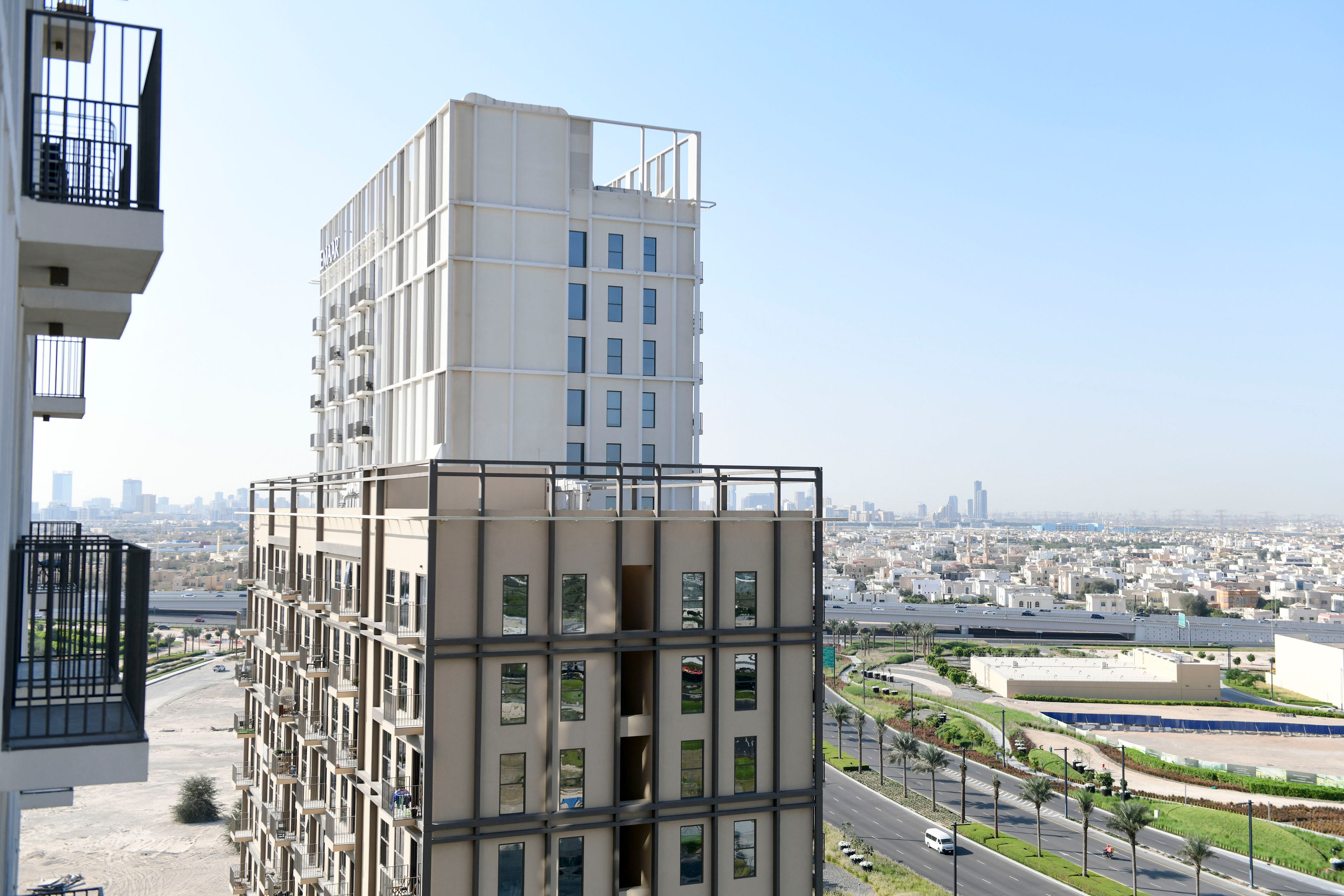
The shift in the rental market is largely driven by the influx of new supply. So far this year, almost 18,200 units have been delivered, representing a 13.1 per cent increase compared to the same period in 2025. As this pipeline continues to grow, the demand-supply imbalance that pushed rents sharply higher from late 2021 is losing its force.
For residents whose contracts are due for renewal, the softening landscape has created opportunities. Karishma Sakhrani, whose tenancy expires in September, is already in negotiations with her landlord. "I am negotiating with my landlord for a small rent reduction. Cost of living is up and work's taken a hit this year. Should that not work out, I'm hoping we can split payments from two cheques to four," she said.
Ms. Sakhrani noted that listings on Property Finder show rents in her building have dropped about 20 per cent over the past year. Her existing rent falls within the Real Estate Regulatory Authority smart rental index range, but she believes current market conditions justify relief. So far, her landlord has not agreed.
"At first I've received a little push back, with suggestion that it's the sales market under pressure, not rentals," she said.
Not everyone has managed to extract concessions. Jahnavi Ghaghda, who pays Dh50,000 a year for an apartment in Production City, renewed her contract on May 15 without securing a reduction. "I asked if it'd be possible. They said no," she said, adding that a separate request for flexibility on her notice period was also refused.
End of an Era
The cooling is being felt on the supply side of the market too. Investor Ramla Shahid was unable to attract a tenant for her Dubai Hills apartment at its original asking price and ultimately accepted a reduction.
"The apartment was originally marketed at Dh195,000, but I wasn't receiving the level of interest needed to secure a tenant at that price. Given the current market conditions and the softer rental environment we are starting to see in some areas, the rent was ultimately negotiated down to Dh175,000 in order to secure a suitable tenant," she said.
Ms. Shahid attributed the adjustment primarily to market forces. "The reduction was driven more by market demand and tenant affordability than by the Rera index," she said. "Rental growth has slowed significantly compared with the sharp increases seen between 2023 and 2025. In many communities, rents are now stabilising, while some areas are experiencing declines."
Rahim Latif, founder of Downtown Dubai-based property firm Revan Luay, said the statistics reflect a recalibration on the market rather than a “downturn.” He noted that while the regional conflict "undoubtedly introduced a degree of caution into the market," rental growth had already been moderating before tension increased, "largely due to increased housing supply entering the market."
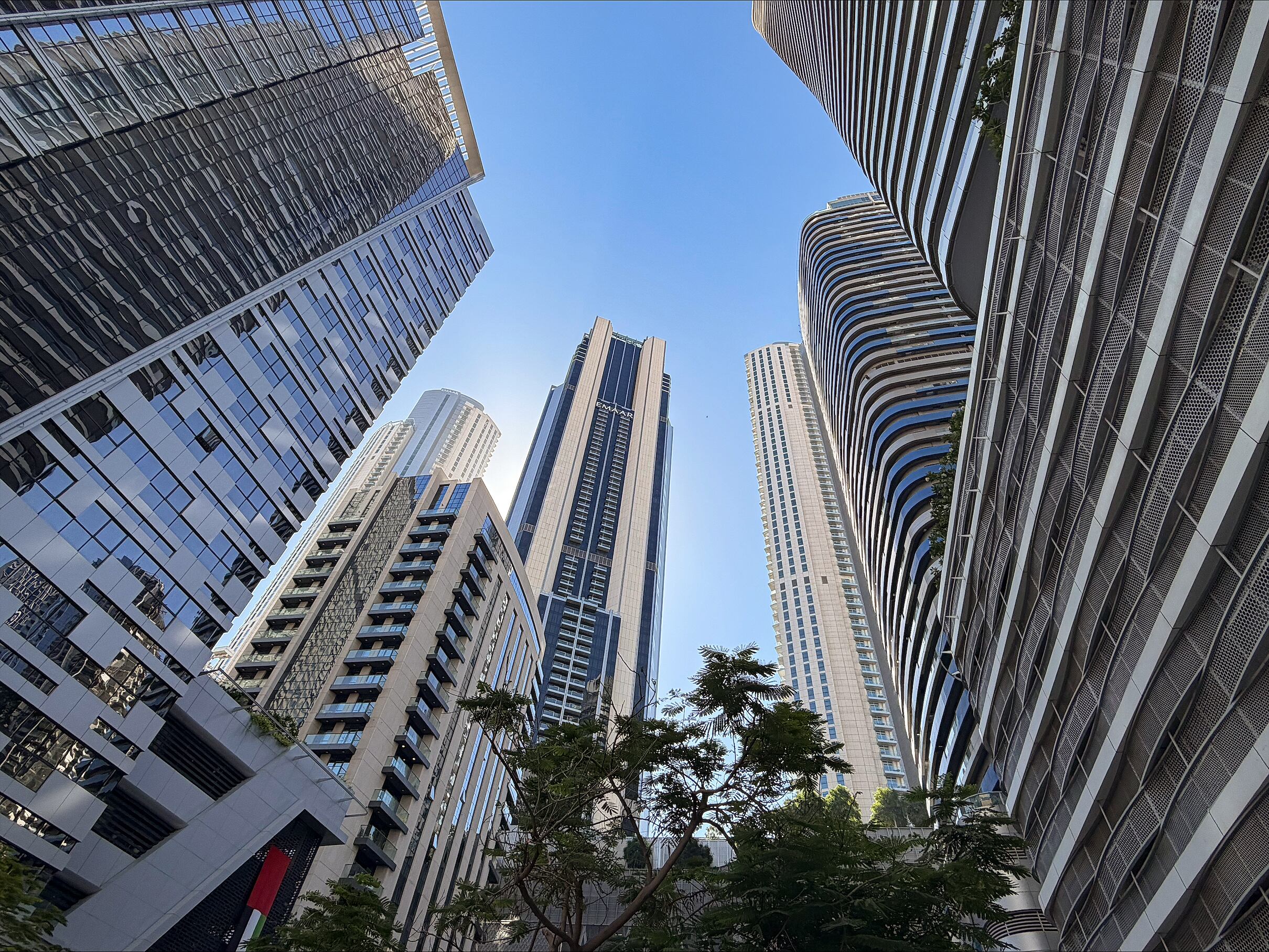
The luxury segment, Mr. Latif said, remains more insulated. In prime locations such as Downtown Dubai, demand from high-net-worth individuals relocating to the emirate and corporate executives continues to outpace supply, keeping occupancy strong even as growth moderates.
Mr. Siddiqui cautioned against reading the data as a sign of wholesale reversal. "Suggestions that rents are reverting to Covid-era levels are not supported by broader market data. While isolated cases may exist in specific buildings or micro-locations, this is far from a widespread phenomenon and should not be mistaken for a market-wide trend," he said.
Looking Ahead
Attention is now turning to the Dubai Land Department's Flexi Rent scheme, launched on June 23, which allows tenants to spread payments across more instalments. Mr. Latif welcomed it as "a positive and forward-looking step" that could lift occupancy rates and encourage longer tenancies. Cavendish Maxwell said it would be "watching with interest to see what impact the newly announced flexible rent initiative has on the market."
Ms. Shahid said she had no plans to adopt the scheme for her properties in premium communities. "In my view, tenants looking to live in these areas should typically have the disposable income and financial stability to comfortably sustain the rental commitments," she said, adding that she would continue to favour annual or two-cheque arrangements, which provide certainty over collecting rent in instalments.
The era of exceptional gains in the property market seems to be coming to an end, added Mr. Latif. "I expect the market to transition from a phase of rapid rental escalation to one characterised by steady demand, increased choice for tenants, with greater sustainable growth for landlords and investors," he said.


No comments:
Post a Comment