
Mamdani Rent Freeze Brings Relief to Tenants, Sparks Concern for Landlords
New York City’s Rent Freeze: A Political Win for Tenants and a Challenge for Landlords
New York City’s Rent Guidelines Board made a historic decision to freeze rents for approximately one million stabilized apartments, marking a significant political win for Mayor Zohran Mamdani. This move not only fulfills a key campaign promise but also sets a precedent in the city’s ongoing housing crisis. The board voted 7-1 to implement the freeze, which applies to both one- and two-year leases. This is the first time that longer-term rental agreements have been subject to such a measure.
The vote came despite pushback from landlords, who argue that they are struggling with rising costs. Just hours before the decision, a board member resigned in protest, criticizing the process as overly politicized. Landlords claim that without the ability to increase rents, they may face financial difficulties, potentially leading to property deterioration and further exacerbating the city's housing challenges.
Mayor Mamdani has consistently advocated for rent freezes, emphasizing that tenants are facing increasing costs for essentials like food and transportation while wages remain stagnant. The decision follows months of debate about whether tenants should be protected from soaring housing costs, even as landlords face their own financial pressures.
The rent freeze will apply to leases signed between October 1, 2026, and September 30, 2027. The last one-year rent freeze was during the pandemic in 2020. Sarah Delany, an advocate and rent-stabilized tenant in the Bronx, praised the decision, calling it a historic moment for tenants. She stated that the freeze would help tenants afford daily necessities and emphasized the importance of unity among tenants.
Mamdani’s decision makes him the first mayor since Bill de Blasio to oversee a rent freeze, marking one of the earliest and most consequential policy victories of his administration. He also reshaped the Rent Guidelines Board by appointing six new members, creating a majority aligned with his broader housing agenda.
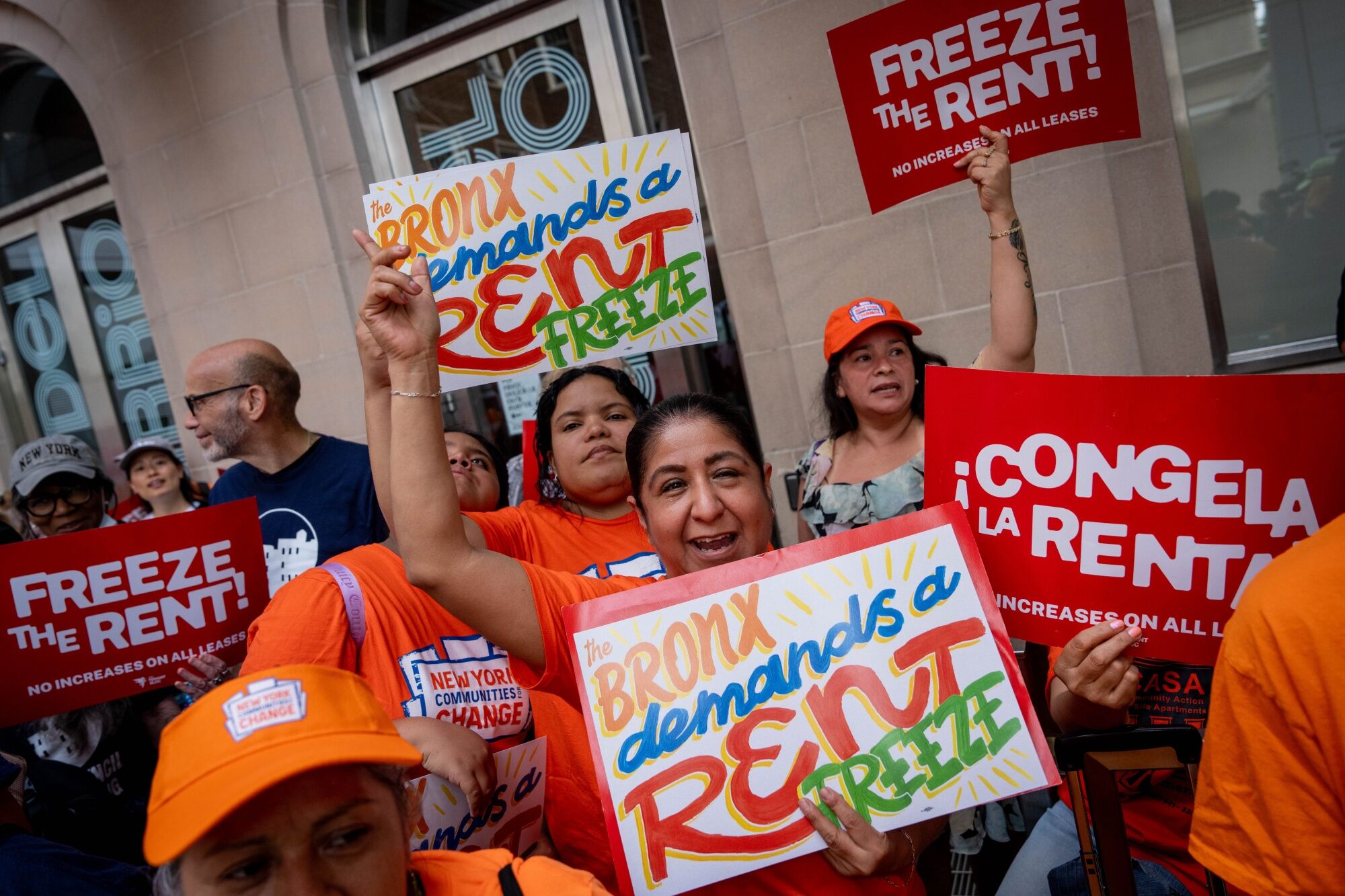
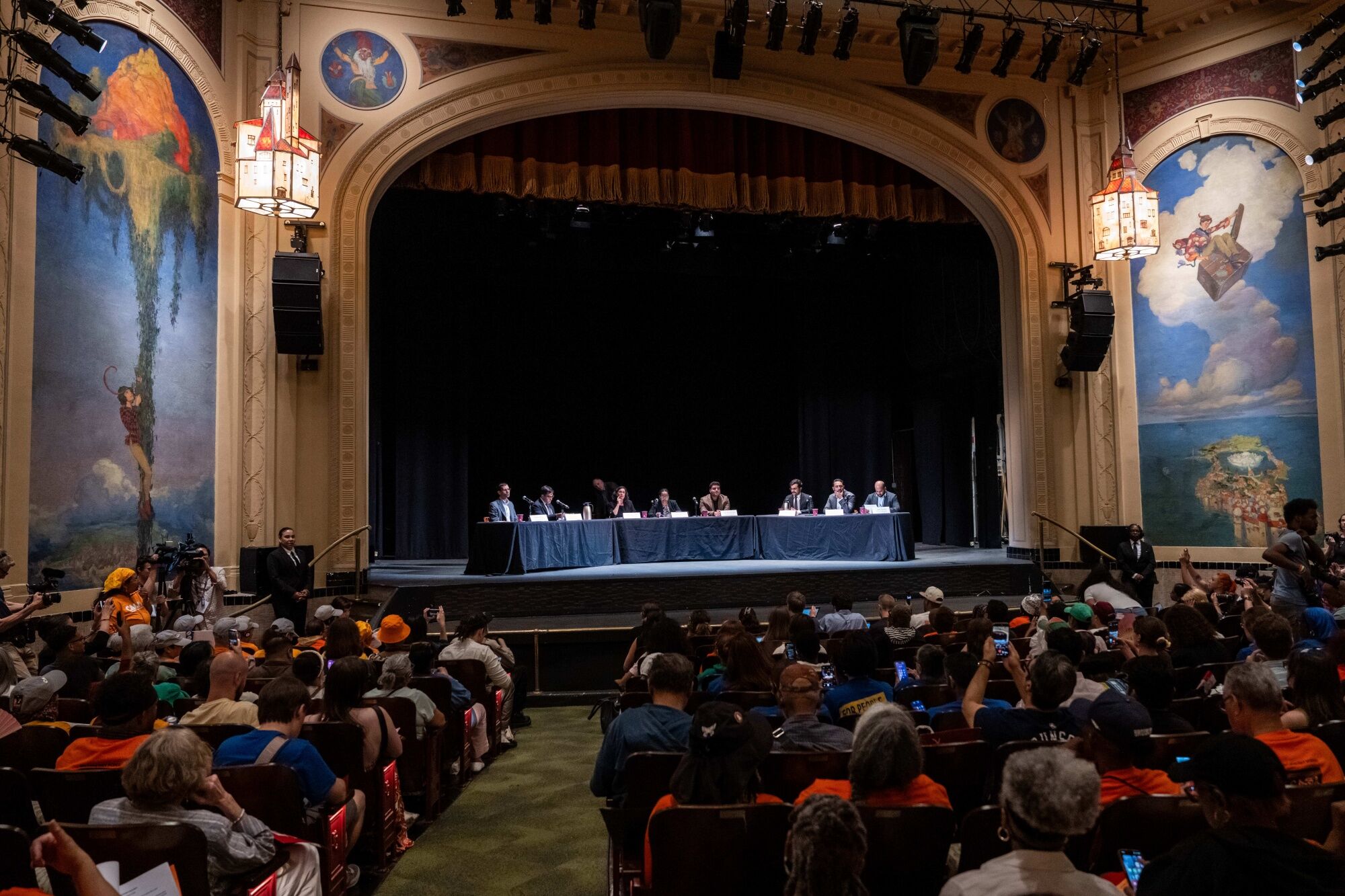
The event at El Museo del Barrio in Harlem was marked by a celebratory atmosphere. An at-capacity crowd cheered when the motion passed, and outside, hundreds of people held “Rent Freeze” signs. A live band played at the entrance, and organizers handed out water and ice pops. After the vote, the crowd sang “we are the tenants” to the tune of Queen’s “We Are The Champions.”
Mamdani hailed the vote as a historic victory for tenants, stating that it provides relief for working people across the city. However, President Donald Trump criticized the decision, echoing the concerns of many landlords. He argued that rising energy prices and tax burdens have increased costs for landlords, and without the ability to raise rents, they could suffer financially. Trump claimed that housing units with rent freezes would deteriorate, leading residents to flee the city.
The Rent Guidelines Board operates independently of the mayor and is tasked with weighing economic data rather than political considerations. Landlord groups have accused the panel of becoming increasingly sympathetic to tenant advocates, and they plan to examine the legal implications of this perceived bias.
Christina Smyth, a landlord representative on the board, resigned in protest hours before the vote. She criticized the politicization of the process and argued that owners would struggle to cover their increasing costs under a freeze. Another landlord representative, Maksim Wynn, read a statement outlining the expenses faced by owners and efforts to intervene, including the city-backed insurance program announced by Mamdani in April. Despite these concerns, Wynn voted for the freeze.
Housing industry groups have warned that tens of thousands of regulated and subsidized apartments are already under financial strain. They argue that a prolonged freeze could make it more difficult for owners to maintain properties and finance repairs. Rising insurance, taxes, and repair costs have placed additional pressure on landlords, and the broader rental market remains tight.
James Whelan, president of the Real Estate Board of New York, criticized the decision, warning that it would worsen the city’s housing crisis. He stated that the decision would lead to less investment in maintenance and repairs, accelerating the deterioration of the housing stock that millions of New Yorkers call home.
Some housing experts believe that the freeze should set the stage for broader moves to address the issues facing building owners. Jake Krimmel, a senior economist at Realtor.com, noted that buildings need revenues and expenses to balance, and currently, the cost side of the equation is rising faster than either tenants or owners can absorb.
The Rent Guidelines Board’s decision applies only to rent-stabilized apartments, which account for roughly half of the city’s rental housing stock. Market-rate apartments, however, have seen significant increases. Manhattan leases were signed at a median of $4,695 in January, the third-highest on record, according to a report from appraiser Miller Samuel Inc. and brokerage Douglas Elliman.
Arpit Gupta, a member of the Rent Guidelines Board appointed by former Mayor Eric Adams, noted that over 57,000 stabilized units were vacant last year, up from roughly 49,000 in 2024. Rising expenses have been blamed for landlords warehousing apartments that become too expensive to renovate.
Post a Comment for "Mamdani Rent Freeze Brings Relief to Tenants, Sparks Concern for Landlords"