
Martin Scorsese Faces Backlash for 'Abandoning Human Artists'
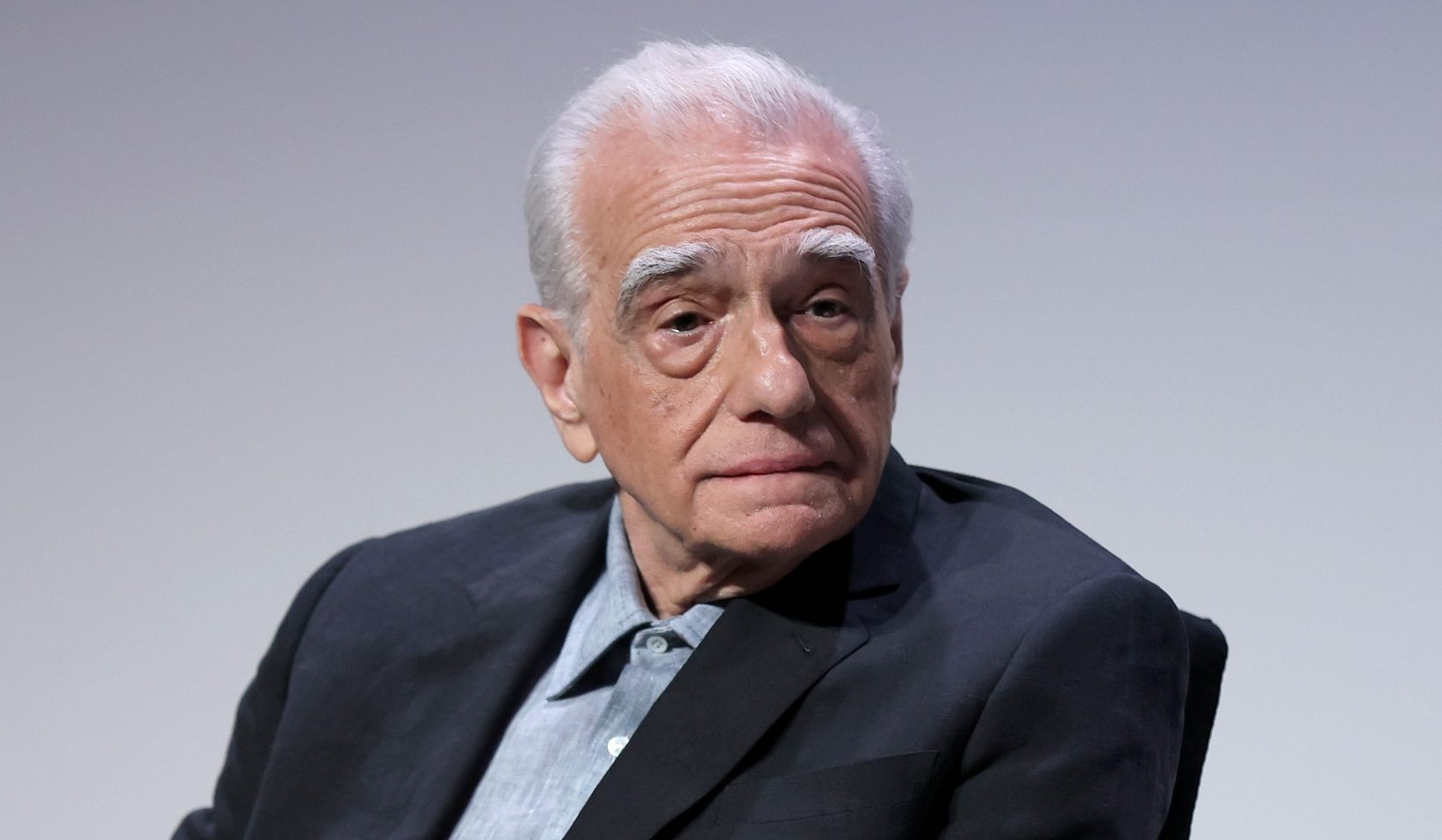
Martin Scorsese’s Stance on Generative AI Sparks Controversy
Legendary director Martin Scorsese has found himself at the center of a heated debate after publicly endorsing generative AI. Known for iconic films such as Goodfellas and Taxi Driver, Scorsese, 83, recently announced his role as an advisor to Black Forest Labs, a company that utilizes image generation technology. In promotional materials for the firm, he expressed interest in the evolving relationship between technology and storytelling.
“Remember, cinema is a young medium, only around 125 years old, so we have to be open to how it can evolve,” Scorsese said during the campaign. His comments have led to criticism from within the film industry, particularly from the Art Directors Guild, which has condemned his support for generative AI as a betrayal of human artists.
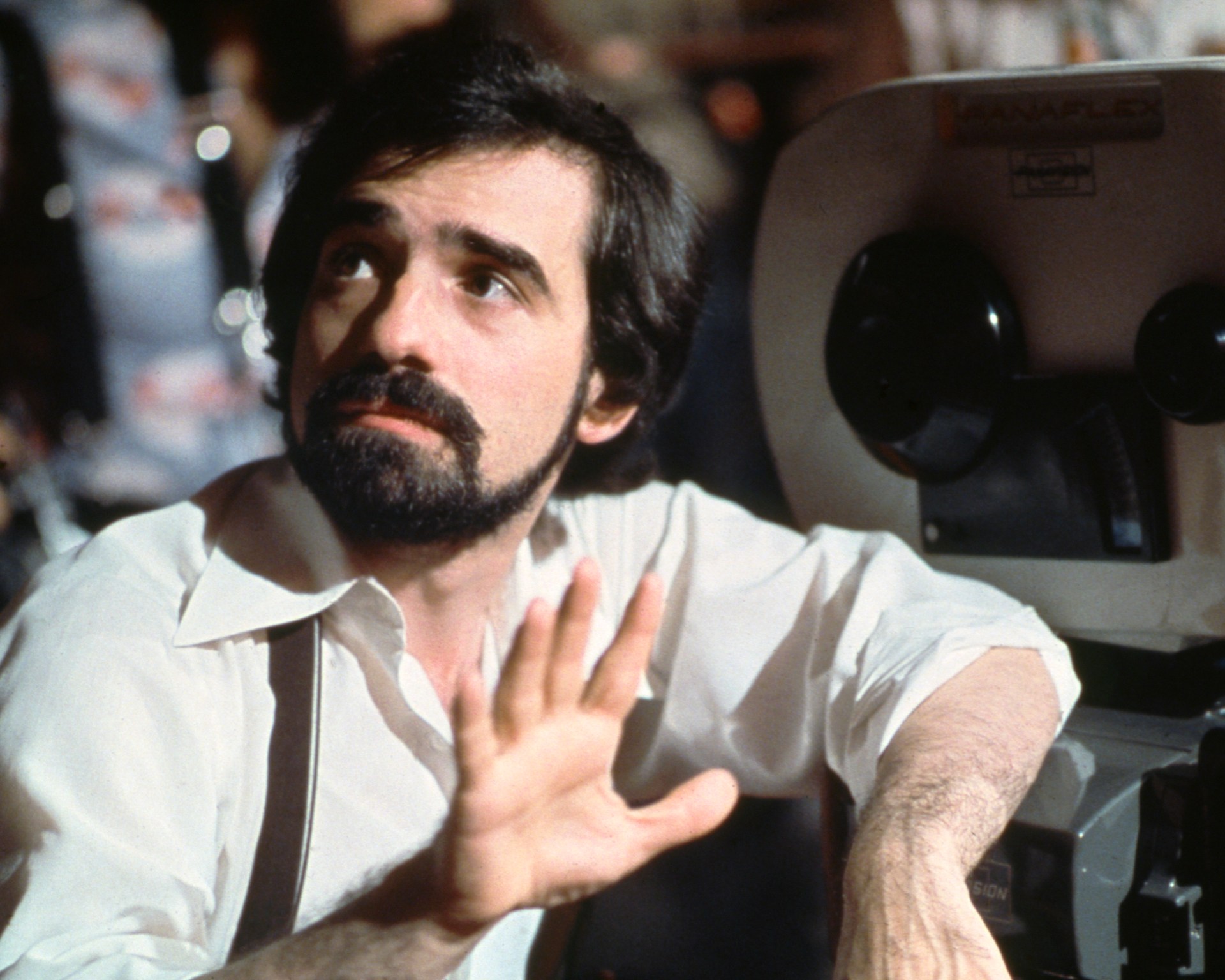
The Art Directors Guild released an open letter addressing Scorsese directly, stating that he was “turning his back on the human artists who throughout his career have helped him create his most memorable works.” The statement referenced Black Forest Labs’ FLUX AI system, with the opening line: “The Business is not in flux.”
The guild highlighted Scorsese's involvement in a recent video promoting FLUX, where he posed the question, “How do you communicate what you see in your head to your cast and crew?” According to the letter, the director suggested that generative AI could serve as a solution, potentially replacing the work of professional artists and designers.
Generative AI has sparked significant controversy across creative industries, including film, music, and television. Earlier this year, the Academy confirmed that movies using generative technology for acting and writing would not be eligible for awards. This decision reflects growing concerns about the ethical implications of AI in artistic creation.
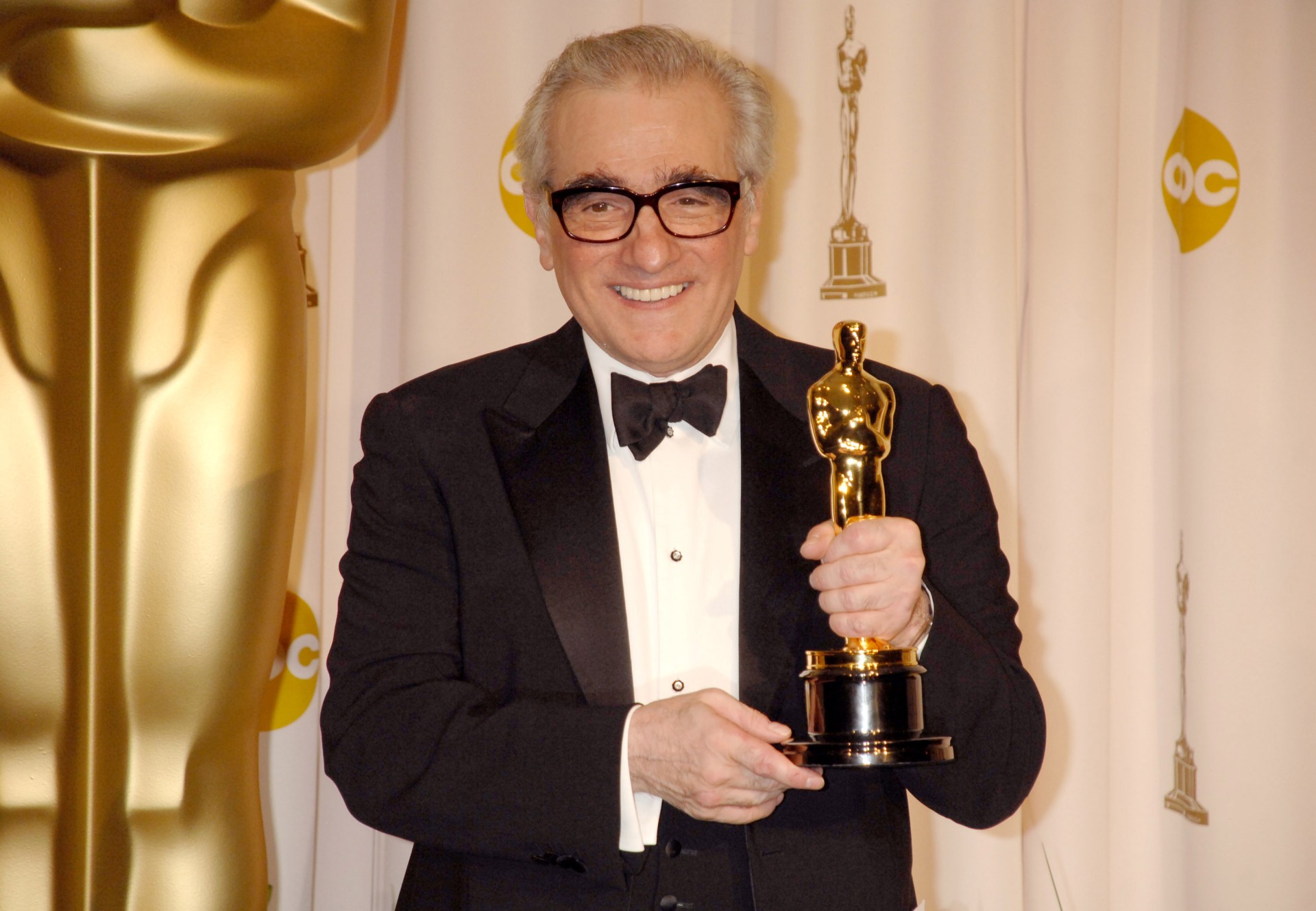
The Art Directors Guild argued that Scorsese was promoting a product that bypasses the contributions of skilled professionals, including graphic artists, set designers, and illustrators. They claimed that generative AI relies on large volumes of copyrighted material, likely sourced without consent or compensation.
“This type of ‘cinematic intelligence’ is produced by ingesting vast amounts of content, often scraped from the internet without transparency,” the statement continued. This copyright issue has been a central point of contention among artists opposing AI.
Despite these concerns, some filmmakers and actors believe the industry must adapt to technological advancements rather than resist them. Generative AI software functions by remixing and regurgitating existing work in response to prompts, mimicking human creativity through extensive data analysis.
The Guild’s statement concluded by emphasizing the value of the skills brought by Art Directors Guild Local 800 artists and designers. It criticized the notion that generative AI could replicate or surpass their contributions, arguing that the technology is built on stolen work from artists worldwide.
Scorsese has yet to publicly respond to the backlash, but other creatives have voiced their disapproval. Karla Ortiz, an art department artist known for her work on films like Avengers: Endgame and Black Panther, took to social media to express her frustration. She wrote, “He throws every single storyboard artist he’s ever worked with under the bus, as he demolishes their livelihoods with models that are likely trained on those storyboard artists’ same works. To use his legacy and power for this is just so disgusting.”
Other renowned directors have also weighed in on the topic. Steven Spielberg has acknowledged that AI could “save us a lot of legwork” but emphasized that it should remain a tool in a broader creative process. Guillermo Del Toro, known for his preference for practical effects, has stated he would “rather die” than use AI in his work.
As the debate over generative AI continues, the film industry remains divided on whether to embrace or resist this new technology.
Post a Comment for "Martin Scorsese Faces Backlash for 'Abandoning Human Artists'"