
Men with Prostate Cancer to Gain Access to Groundbreaking NHS Treatment
A New Era in Prostate Cancer Treatment
A groundbreaking therapy is set to transform the lives of thousands of men diagnosed with prostate cancer in England. This innovative treatment, known as stereotactic radiotherapy (SABR), offers a more efficient and effective approach to managing the disease. By significantly reducing the number of hospital visits required, this method not only eases the burden on patients but also helps alleviate pressure on the NHS.
How SABR Works
SABR delivers higher doses of radiation in a more targeted manner, using beams from multiple directions to focus precisely on the tumour. This precision allows for fewer treatment sessions, cutting the number of appointments from 20 down to just five. The treatment is typically completed over a fortnight, making it a much quicker process compared to traditional radiotherapy, which often requires at least 20 sessions.
This reduction in appointments means that patients can avoid the inconvenience of frequent hospital visits, which can be both time-consuming and stressful. Additionally, SABR has been shown to reduce the risk of tumours growing or spreading, while also preserving healthy tissue around the affected area.
Rollout Across England
NHS England has announced that all 48 radiotherapy centres in the country will begin offering SABR to men with early-stage prostate cancer within the next three months. Some centres are expected to start using the treatment as early as next week, following successful UK-led clinical trials that demonstrated its effectiveness.
The new therapy is particularly beneficial for men with low or intermediate risk prostate cancer, who may be eligible for SABR. According to NHS England, approximately 17,500 men are diagnosed with this form of cancer each year in England, and around 3,500 of them could take up the option.
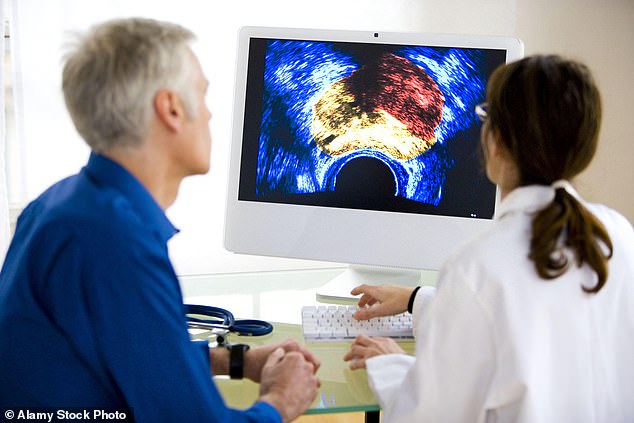
Benefits for Patients
The impact of SABR on patient care is significant. For many, the traditional approach involves a long and arduous treatment journey, with frequent trips to the hospital and potential side effects. With SABR, patients can receive the same level of care in a fraction of the time, allowing them to return to their daily lives more quickly.
Sir Jim Mackey, chief executive of NHS England, highlighted the transformative potential of this treatment. He stated, “This cutting-edge approach will transform treatment for thousands of men with prostate cancer, helping the NHS provide far more powerful and convenient care to stop their cancer spreading.”
Professor Peter Johnson, NHS national clinical director for cancer, added, “This technology lets us focus a powerful and precise beam of radiotherapy directly on to the cancer, limiting the damage to healthy cells – and the fact it can be delivered in 15 fewer doses will help men get back to living their lives far more quickly.”

Broader Implications
Prostate cancer is the most common cancer among men in the UK, with over 55,000 diagnoses each year and around 12,300 deaths attributed to the disease. The introduction of SABR represents a significant step forward in the fight against this condition.
Amy Rylance, director of health services at Prostate Cancer UK, welcomed the development, noting that the change would greatly reduce the burden on patients and their families. She said, “It means men will go from needing 20 hospital trips in quick succession to just five, massively reducing the burden that cancer places on them and their loved ones.”
David James, director of patient projects and influencing at Prostate Cancer Research, emphasized the importance of making this treatment widely available. He stated, “Thousands of men stand to benefit from this pioneering treatment. Delivering radiotherapy in just five sessions instead of twenty means less time in hospital, less disruption to family and working life, and faster access to effective care.”
Dr Nicky Thorp, vice-president for clinical oncology at the Royal College of Radiologists, praised the rollout of SABR, calling it a world-class approach to cancer treatment. She noted, “Compared to conventional radiotherapy, patients need fewer sessions and therefore fewer hospital visits, and they experience reduced side effects, all of which can improve their quality of life.”
Future Prospects
As the NHS continues to roll out SABR, there is hope that even more men will benefit from this advanced treatment. Researchers are exploring whether SABR could be effective for men whose cancer has spread beyond the prostate, potentially shifting the paradigm in how prostate cancer is treated.
With continued investment and innovation, the future looks promising for men facing this challenging diagnosis. As Sir Jim Mackey prepares to speak at the NHS ConfedExpo conference, he will highlight the role of technology and local innovation in improving patient experiences and reducing waiting times.
Post a Comment for "Men with Prostate Cancer to Gain Access to Groundbreaking NHS Treatment"