
Military expert: Crimea's liberation bid has begun
Fuel Shortages and Restrictions in Occupied Crimea
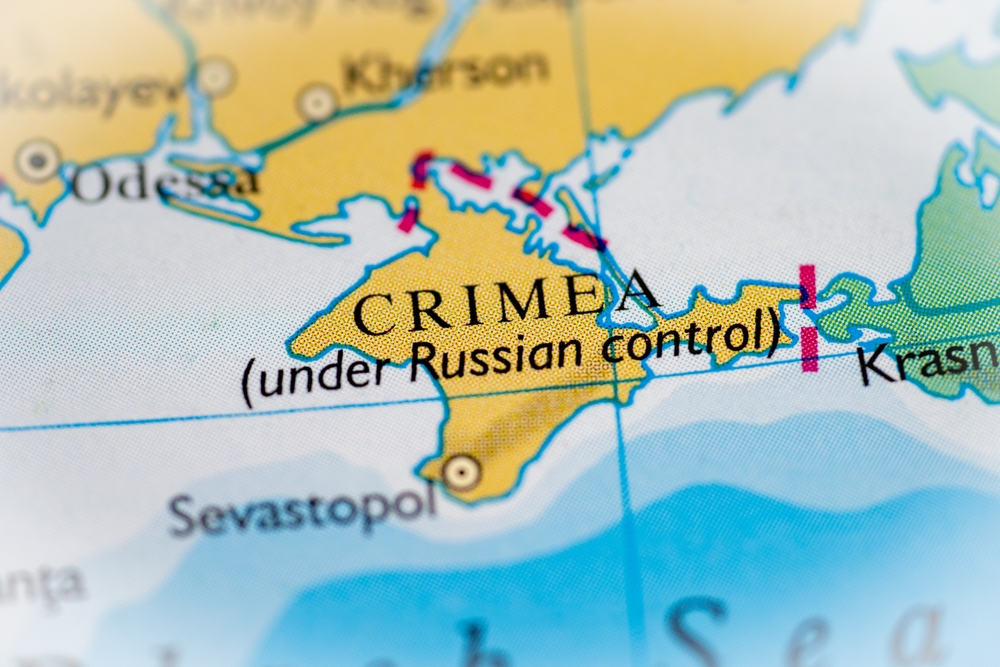
The Russian-occupied Crimean Peninsula is facing severe fuel and gasoline shortages, a result of ongoing Ukrainian military campaigns targeting intermediate- and long-range infrastructure. The situation has become so critical that the governor of Sevastopol, Mikhail Razvozhayev, announced on Telegram that restrictions have been imposed on the amount of fuel citizens can purchase.
Under the new rules, residents are limited to 20 liters (5.28 US gallons) of fuel per week. This comes as a sharp contrast to a previous statement from Sergei Aksyonov, the Kremlin-appointed leader of Crimea, who had previously claimed that residents could buy 20 liters of fuel per day. The shift highlights the worsening conditions on the peninsula.
Escalation of Pressure on Infrastructure
A recent overnight strike has further intensified the pressure on local infrastructure. Ukrainian forces targeted a railway substation and a locomotive, disrupting transport links across the region. Novaya Gazeta Europe reported that this attack significantly affected regular travel within the area.
The consequences of the strike were immediate and tragic. Aksyonov announced on Telegram that the train driver was killed, and his assistant was injured. In response, the Grand Service Express transport company suspended passenger trains and redirected travelers to buses.
This strike aligns with a broader military objective: isolating the area and cutting off supplies to Russian troops. Former intelligence officer Ivan Stupak told Novaya Evropa that the Ukrainian Armed Forces are attempting to impose a blockade on Crimea.
Supply Lines Collapse and Troop Withdrawals
According to information from the ATESH partisan group, Russian forces have begun withdrawing from the Kinburn Spit, a strategic area northwest of Crimea near Odesa. This withdrawal follows the complete collapse of supply routes. An undercover agent working inside Russia’s Dnepr military headquarters leaked the intelligence, revealing that without food, fuel, and ammunition, front-line troops could no longer hold out.
Heavy casualties and relentless drone attacks have left remaining forces scattered and vulnerable. The underground group explained that some troops have already been moved to other fronts, leaving the peninsula dangerously understaffed.
“Only the remnants of units remain on the spit, and they are no longer capable of maintaining a defense. The occupiers’ logistical system in this sector has completely broken down,” ATESH stated in a Telegram message.
While the Kinburn Spit is a smaller and more vulnerable area with limited supply lines, the strategy of "starving out" Russian forces appears to be central to the Ukrainian campaign against Crimea.
Liberation Efforts Underway
Cutting off the peninsula requires closing every gateway. Authorities had already banned most trucks from the main highway to Rostov-on-Don due to frequent drone strikes. Now, experts believe the main bridge linking the region to Russia is the next major target.
Special drone operations could soon target that bridge. Observer Alexander Kovalenko told Novaya Gazeta Europe, “It’s a vital supply artery for the occupied territories.” He believes mid-range drones launched from special balloons could easily reach the structure.
Without these vital supply lines, holding the territory becomes an impossible task. Logistics will collapse entirely.
Ukrainian military expert Roman Svitan told Novaya Gazett Europe: “The Ukrainian Armed Forces are currently halting such logistics and the transit of military cargo through the peninsula. We are effectively witnessing the very beginning of the operation to liberate Crimea.”
Economic Impact and Black Market Growth
Shortages have created a thriving black market. Resellers are flipping fuel coupons for double the normal price. In grocery stores, limits on staples like sugar have sparked panic buying, though locals say food is still available if you can pay.
The lucrative summer tourism industry has collapsed completely as frightened visitors flee the area. Stupak expects this growing discomfort to spark major public protests against Russian officials by July.
Post a Comment for "Military expert: Crimea's liberation bid has begun"