
The Power of Human Connection in the Age of AI
One of the greatest privileges I experience as a university president is looking directly into the eyes of new graduates as they cross the stage during our commencement ceremonies. This year, however, had an unexpected twist: recent news stories about universities using artificial intelligence to announce graduates’ names made me want to reassure the audience that an actual human would be doing the honors.
At each ceremony, the announcement brought loud cheers. It was clear that people still value the personal touch. While we embrace technology today, there remains a deep longing for authentic human connection. If we fail to provide it, our institutions risk becoming mere degree factories where students are reduced to data points.
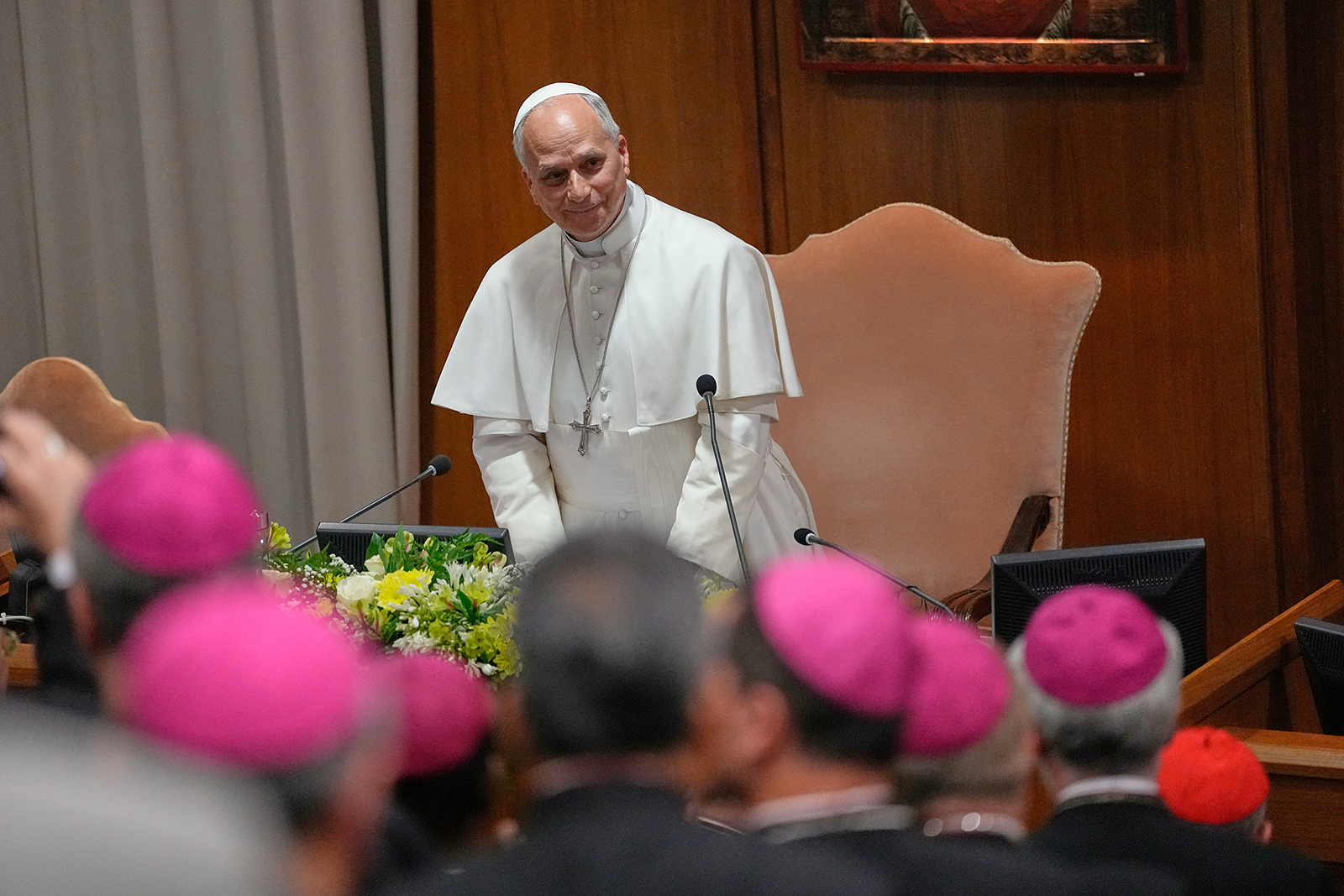
The day after our final ceremony, Pope Leo XIV released his first encyclical titled “Magnifica Humanitas: On Safeguarding the Human Person in the Age of Artificial Intelligence.” This document carries significant implications not only for Catholic higher education but for all educators. While many insights are worth noting, the Pope’s message is clear: “Let us cultivate relationships.”
Colleges and universities must always aim to provide a return on investment for the thousands of students and families who pay for a degree. However, they must never lose sight of the fact that teaching students to cultivate relationships is the most valuable aspect of their education. These relationships are what enable graduates to make a true difference in the world.
Universities play a crucial role in avoiding what the encyclical refers to as the “Babel syndrome.” This is a reference to the biblical story of the Tower of Babel, where people attempted to build a tower to reach the heavens. Instead of unity, they faced confusion and separation. Pope Leo warns against believing that a single digital language—like AI—can translate everything, including the mystery of the person, into data and performance.
For educators, this means we have a responsibility to integrate knowledge and equip students with the ability to understand complexity and verify facts. These skills are essential for graduates to ensure that the organizations they eventually work for (and lead) benefit the communities they serve. Are we preparing our students with media literacy? Are we helping them build trust across algorithm-driven silos? And are we guiding them to develop an ethical lens that will shape how they use new technologies?
Higher education should always strive to offer more than just knowledge and skills. That is why providing space for reflection, discernment, and appreciation is just as important as building skillsets and knowledge. These elements help students find true direction in their lives. Are we offering resources to build not just a good career, but a meaningful life? Can they identify the core purpose that drives them forward? Can they articulate why they matter in ways that are not dependent on external achievements?
Today’s graduates may not know exactly what the world will look like in 10 years due to rapid technological changes, but having a sense of true direction can help them navigate those changes. As educators, this is how we can best prepare them to flourish.
Yes, our institutions must teach students how to succeed in the emerging world of AI, but a key part of that instruction involves helping them understand that AI is not a substitute for human relationships. Pope Leo warns that as more emphasis is placed on “speed and fragmentation,” the human person still longs to receive care and recognition from attentive minds, kind words, and hands capable of tenderness.
Sometimes, that tenderness comes from the simple act of reading a name. At my university, we like to say our professors know amazing things—like their students’ names. That knowledge may be more important than ever in this uncertain AI era.


No comments:
Post a Comment