
Referee Excluded from World Cup After US Entry Denial
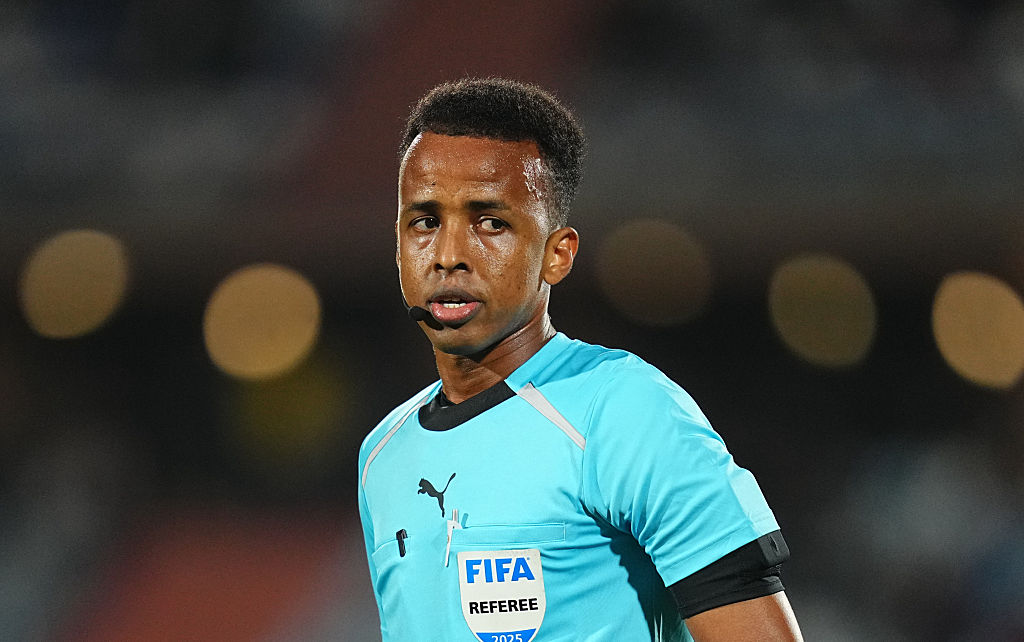
The Referee’s Dream Shattered by Immigration Barriers
Soccer referee Omar Abdulkadir Artan, who was set to become the first Somali to officiate at a World Cup match, was denied entry into the United States over the weekend. This decision came as a major blow to the football community and left many questioning the impact of immigration policies on international sports events.
FIFA, the global governing body for football, confirmed that Artan would not be able to train or officiate at the World Cup, which is set to begin soon. A spokesperson stated that FIFA does not interfere with host country immigration processes, including visa decisions. They were informed that Artan's status would remain unchanged.
Despite this setback, Artan expressed gratitude to FIFA and the Confederation of African Football (CAF) for their support. He emphasized his commitment to continue pursuing his dream of officiating at the highest level of the sport. "I want to thank the football family for their messages and wish my colleagues all the best success during the World Cup," he said. "I look forward to joining them again in future competitions."
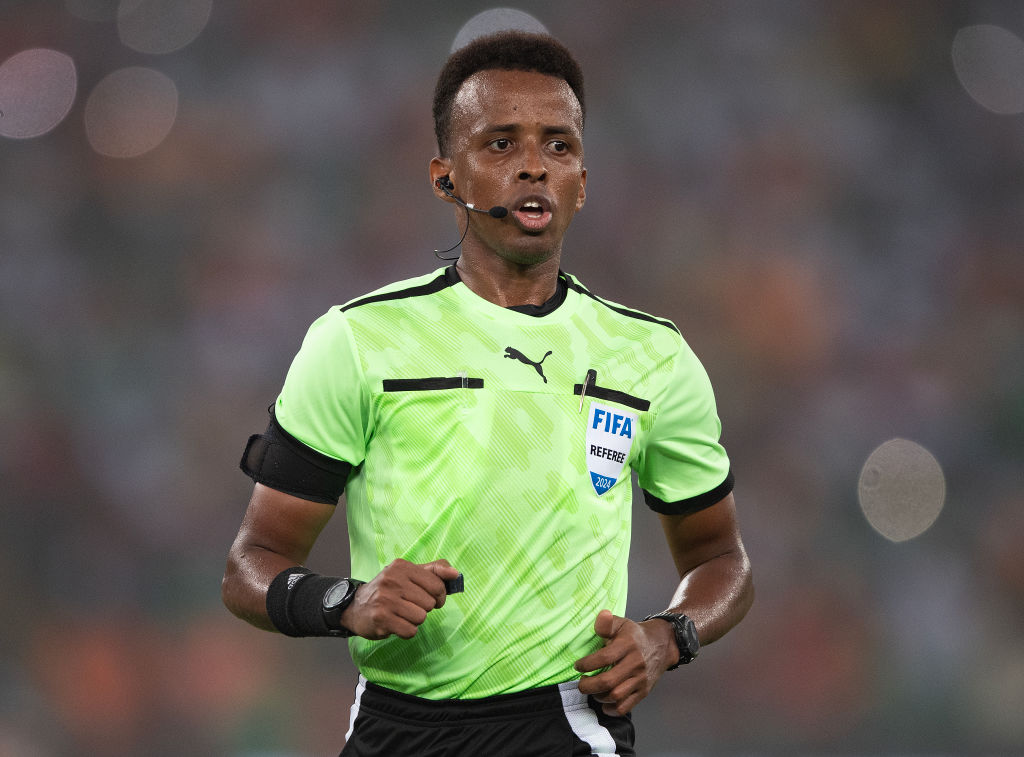
The U.S. Customs and Border Protection (CBP) issued a statement regarding Artan's case, although they did not name him directly. According to the agency, a Somali national arrived at Miami International Airport from Istanbul on Saturday and was deemed inadmissible due to vetting concerns. The CBP mentioned that Artan underwent routine additional inspection before being denied entry.
"Admissibility determinations are made on a case-by-case basis using law enforcement, national security, and immigration information available at the time of inspection," the CBP said. This incident highlights the challenges faced by athletes and officials from countries affected by strict immigration policies.
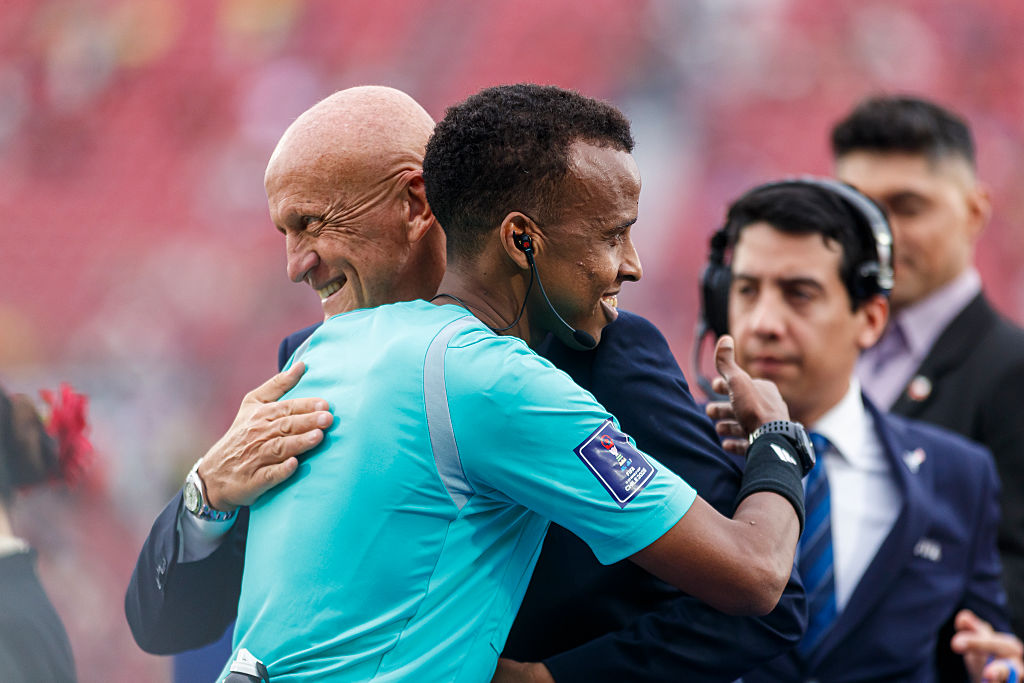
Artan, who was named the Confederation of African Football’s Best Male Referee for 2025, had a valid visa, according to media reports. However, Somalia’s embassy in Washington did not immediately respond to requests for comment. This situation raises questions about the fairness and transparency of the visa process for international athletes.
Challenges for the Iranian Team
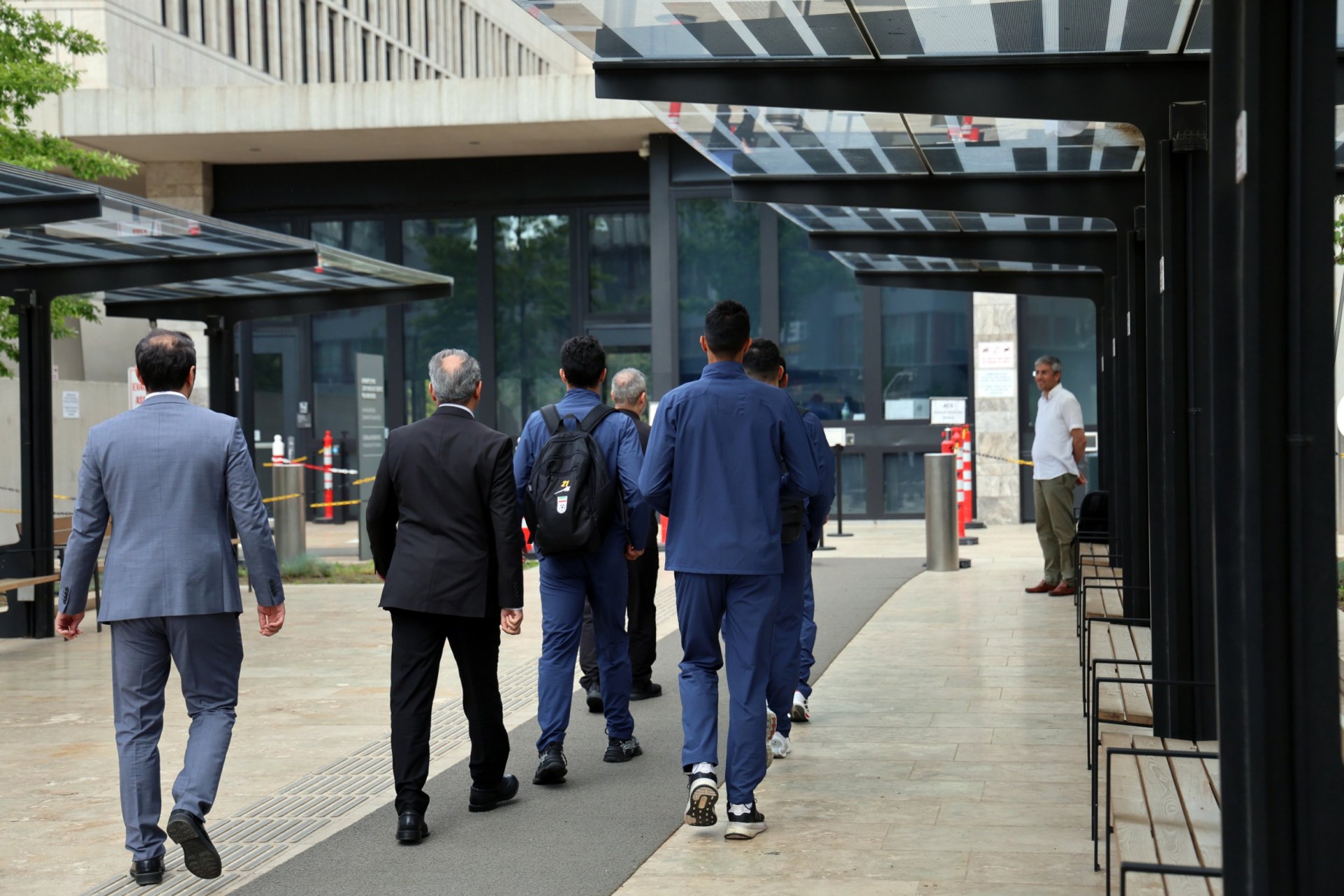
The Iran team has also encountered issues ahead of the World Cup. Players were only issued visas last week, and they have been instructed to fly in and out of U.S. territory on the same day of their matches from their base in Mexico. All of Iran’s group stage games are scheduled to be held in the United States.
Some support staff have not received the visas they applied for. The U.S. State Department told the BBC that they would not allow Iran to “abuse this system to sneak terrorists into the United States under false pretences.” This has led to accusations of political interference from Iran, as 15 officials and other staff were denied visas outright.
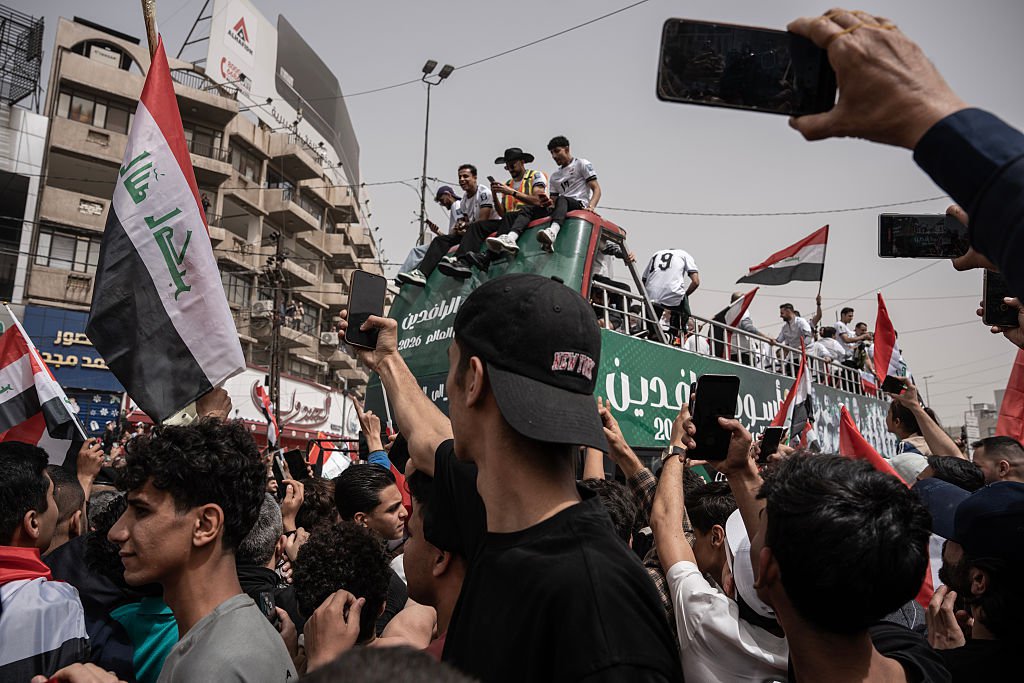
A U.S. administration official stated: “We will not allow the Iranian team to abuse this system to sneak terrorists into the United States under false pretences.” This sentiment reflects the broader concerns surrounding the potential misuse of travel systems by foreign teams and individuals.
Impact on Fans and Supporters
It isn’t just teams facing issues ahead of the big kickoff—fans from around the world are also struggling to attend the tournament. The visa restrictions have left many fans heartbroken, unable to travel to the U.S. to cheer on their countries.
Julien Kouadio Adonis, a member of the Ivory Coast’s fan association, described the bans as a form of segregation. “No European country has faced this kind of restriction,” he told the BBC. “Why Africa?” He emphasized that football needs spectators and argued that a country that doesn’t want to welcome all supporters shouldn’t be allowed to host the tournament.
The visa recommended for football fans costs around £137 and involves an in-person interview. Visitors must demonstrate their “intent to depart the United States after your trip, and/or your ability to pay all costs of the trip.” While some countries were exempt from this price, including Algeria, Cape Verde, the Ivory Coast, Senegal, and Tunisia, the overall process remains challenging for many fans.
The main concern for the Department of Homeland Security appears to be football fans who may try to overstay their visa after the tournament ends. The DHS found that more than 538,000 “overstay events” were documented between 2023 and 2024.
This situation underscores the complex interplay between immigration policies and international sports events. As the World Cup approaches, the focus remains on ensuring fair access for all participants and fans while addressing legitimate security concerns.
Post a Comment for "Referee Excluded from World Cup After US Entry Denial"