
Swimming Snakes Threaten Ibiza's Lizards, Scientists Race to Act
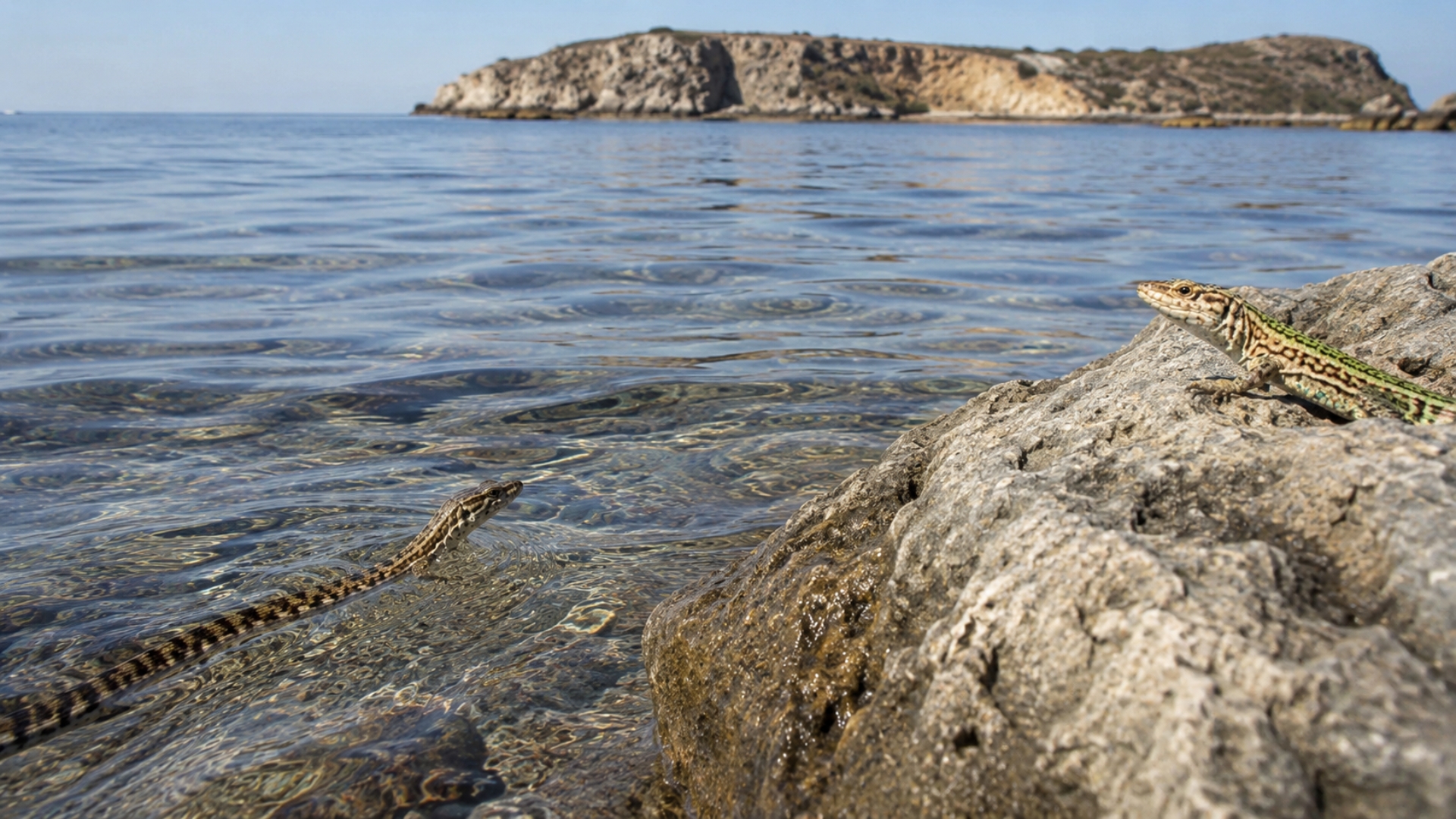
An Island Paradise Faces an Unexpected Predator
Ibiza is renowned for its stunning beaches, vibrant nightlife, and picturesque Mediterranean landscapes. However, conservationists on the island are now focused on a far more pressing issue: the presence of invasive snakes that are threatening the survival of a unique species of lizard.
The invasive species in question is the horseshoe whip snake, which has become a significant threat to the native Ibiza wall lizard. This reptile is found exclusively on Ibiza and nearby islets, making it a species of global conservation importance. Scientists have observed that the problem has worsened as the snakes have expanded their range across the Balearic Islands and even demonstrated the ability to swim between islands in search of new territory.
This situation has become one of Europe's most striking examples of how invasive predators can rapidly transform island ecosystems.
A Lizard Found Nowhere Else
The Ibiza wall lizard is more than just another reptile. Known scientifically as Podarcis pityusensis, this species evolved in isolation on Ibiza and nearby islets over thousands of years. Without many natural predators, the lizards became a familiar part of daily life across the islands.
They can be found basking on stone walls, rocky coastlines, gardens, and nature reserves. In addition to their cultural significance, they play an important ecological role by feeding on insects and helping disperse seeds. For many visitors, spotting the lizards is part of the Ibiza experience.
How the Snakes Arrived
The horseshoe whip snake is native to parts of mainland Europe and North Africa. It is not naturally found on Ibiza. Researchers believe the snakes arrived accidentally through the movement of ornamental olive trees and other imported plants. Hidden among roots and soil, the reptiles gained access to an ecosystem that had not evolved to cope with such predators.
Once established, the snakes found abundant prey and relatively few obstacles to expansion. Over time, their population increased, bringing them into direct conflict with native wildlife.
Swimming Between Islands Changes the Challenge
One of the most alarming developments is the discovery that the snakes can swim substantial distances. Conservationists have documented horseshoe whip snakes moving through coastal waters and reaching nearby islands that previously acted as refuges for vulnerable lizard populations.
Historically, some small offshore islets served as safe havens because snakes had not reached them. These isolated populations became important reservoirs of genetic diversity for the species. The snakes' ability to cross water threatens to remove one of the lizard's last natural advantages. What were once protected sanctuaries may no longer remain secure.
Island Species Are Especially Vulnerable
The crisis highlights a well-known conservation challenge. Island species often evolve in relative isolation, which can make them highly vulnerable when new predators arrive. Without evolutionary experience of particular threats, native animals may lack effective defensive behaviors.
Around the world, invasive predators have contributed to numerous extinctions on islands, affecting birds, reptiles, mammals, and invertebrates. The Ibiza wall lizard now faces a similar test. While the species remains present across parts of its range, conservationists worry about long-term population declines if snake numbers continue to grow unchecked.
Conservationists Are Fighting Back
Efforts to control the snakes are already underway. Wildlife teams have deployed trapping programs designed to reduce snake numbers and protect key lizard habitats. Researchers also monitor populations to better understand where snakes are spreading and which areas are most vulnerable.
The work is labor-intensive and often difficult. Removing invasive species after they become established is far more challenging than preventing their arrival in the first place. Nevertheless, conservationists argue that intervention is essential if the lizard is to retain healthy populations across the islands.
A Warning About Global Wildlife Trade
The story also illustrates how unintended consequences can emerge from global trade and transportation. Many invasive species arrive not through deliberate introduction but by accident. Plants, shipping containers, cargo, and vehicles can all transport animals beyond their natural ranges.
Once introduced, some species fail to establish themselves. Others thrive in their new environments, sometimes with dramatic ecological consequences. The horseshoe whip snake's arrival on Ibiza demonstrates how a seemingly minor introduction can evolve into a major conservation challenge.
Why This Story Matters
The battle between Ibiza's wall lizards and invasive snakes is about more than a single species. It reflects broader questions about biodiversity, ecosystem resilience, and humanity's role in moving species around the globe. Island ecosystems are often among the most vulnerable environments on Earth, and their native wildlife can disappear surprisingly quickly when new threats emerge.
For now, the Ibiza wall lizard remains one of the island's most recognizable animals. But conservationists warn that protecting it will require sustained effort, especially as its new predator continues to expand its reach.
In the clear waters surrounding Ibiza, a snake's ability to swim may seem remarkable. For the island's native lizards, however, it has become a growing threat to their future.
Post a Comment for "Swimming Snakes Threaten Ibiza's Lizards, Scientists Race to Act"