
The battle against online-only TV is fading. How it could unfold in eight years
The UK Government Considers Phasing Out Freeview TV Signals
A significant move to discontinue Freeview TV signals is gaining momentum, with the UK government acknowledging a "strong case" for doing so as early as 2034. This decision comes as more viewers shift towards internet-based television services. The Department for Culture, Media and Sport (DCMS) has stated that costly terrestrial TV signals could be switched off within eight years, provided universal affordable broadband becomes available to all.
The proposal, outlined in a green paper on the future of broadcasting, has been met with mixed reactions. Supporters of the switch-off argue that the transition to online-only TV is accelerating, and only a small number of households will remain without broadband by 2034. These individuals would require additional support, according to campaigners for Digital Terrestrial Television (DTT) switch-off.
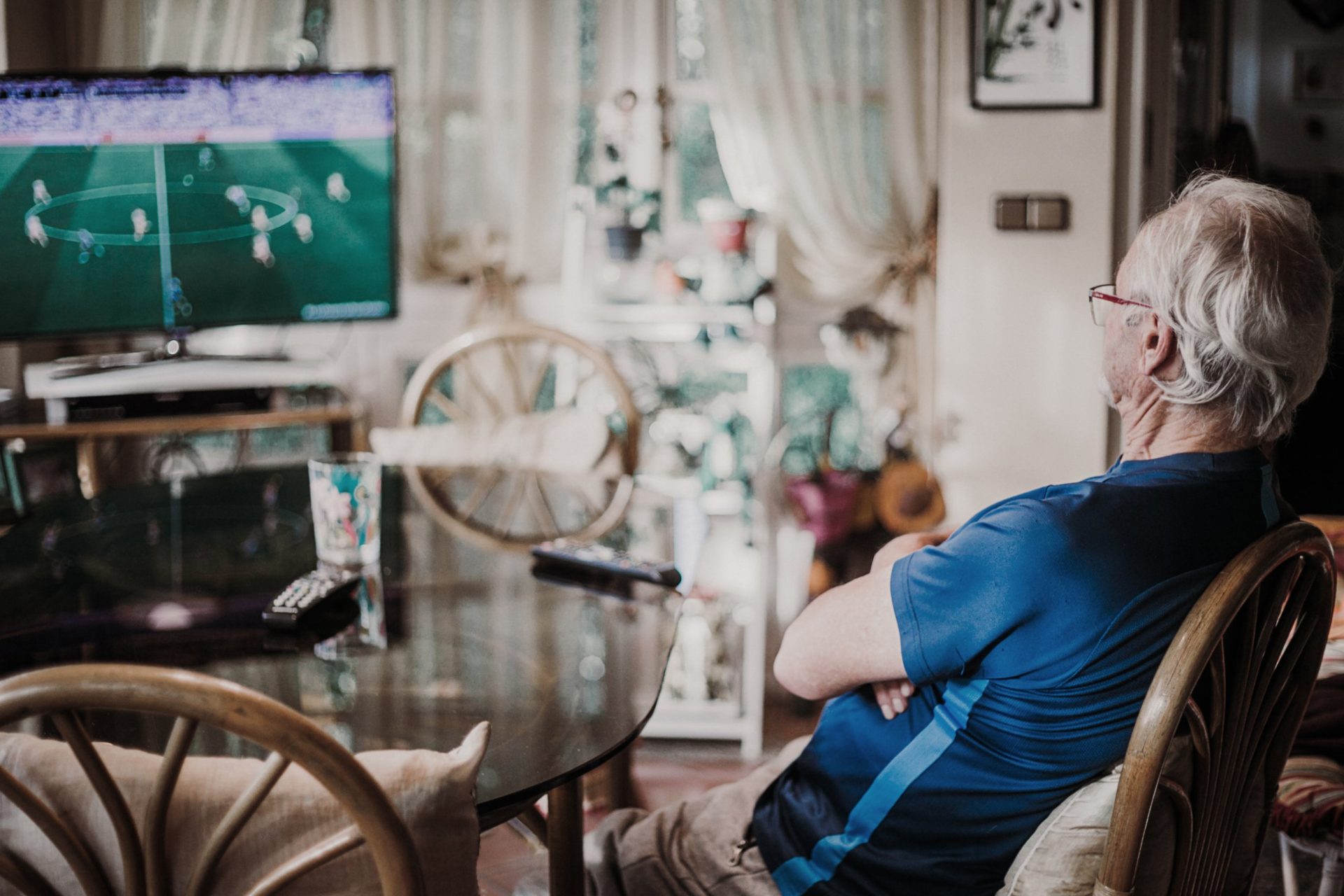
However, this stance has been criticized by opponents who warn that discontinuing Freeview, which is used in 10 million UK homes, could force many elderly people and those on low incomes to take on expensive high-speed broadband contracts just to watch TV they currently get for free through an aerial.
Potential Timelines for the Switch-Off
Ministers are now considering two potential timelines for the switch-off: either 2034 or 2044. The plan includes a "managed transition to internet-based TV" with support to ensure "no one is left behind." Media minister Ian Murray emphasized that the green paper focuses on the timing rather than the necessity of the switch-off. He said, "The paper is examining the question of should it be 2034 or 2044."
Murray added that the government is leaning towards 2034 due to the massive benefits it could bring. However, he acknowledged the challenges involved in meeting the earlier timeline and stressed that targeted support and practical assistance would be provided to those unable to afford or access TV over the internet.
The Cost to the BBC and Public Service Broadcasting
The second date, 2044, was set because if 2034 is missed, new long-term DTT contracts would need to be signed, potentially costing public service broadcasters like the BBC £1 billion to sustain the network. The BBC has indicated that the licence fee would have to cover the cost of keeping the DTT signal going for a dwindling number of viewers, which could lead to more programme cuts.
A recent poll found that nearly 48% of respondents would oppose paying the £180 licence fee if its content were only available online. Murray argued that the switch-off could have wider benefits for older people, who might be hesitant to adopt broadband but could benefit from online access to banking, healthcare, and communication with family members.
Controversy and Public Reaction
The publication of the Green Paper had been expected next month, leading to accusations that it was released under the cover of the Prime Minister's resignation to set a biased framework for incoming ministers. Dennis Reed, director of Silver Voices, a campaign group representing older people, warned that forcing every household to purchase expensive broadband to continue watching TV would disproportionately affect older and poor households.
The Broadcast 2040+ campaign, which aims to preserve DTT, criticized the plan as "half-baked," arguing that it would create a de facto paywall for households needing high-speed fixed broadband simply to watch TV.
The Cost of Online-Only TV
A debate has emerged over the merits of the switch-off, with some analysis showing that the number of UK homes without broadband fell by 30% between 2023 and 2025, now standing at 1.2 million. It is predicted that this number will drop to 220,000 by 2034. Pro-switch-off groups argue that a simple plug-in set-top box could help people in rural or isolated areas.
Some may find the cost of internet-only TV prohibitive, with broadband contracts potentially costing £300 a year. An expensive public subsidy might be needed to encourage people to make the switch and ensure "universal" TV-via-broadband.
Positive Developments for the BBC
Despite the controversy, there was positive news for the BBC in the policy paper. The document outlines plans to require social media and video platforms such as YouTube and Meta to make public service content more prominent. A BBC spokesperson welcomed these proposals, stating that it is essential for everyone to have access to trustworthy news in an increasingly polarized world.
They also emphasized the importance of protecting and making homegrown, original content easy to find. The spokesperson added that the Green Paper sets out how the BBC can support the shift to digital platforms while ensuring no one is left behind.
Post a Comment for "The battle against online-only TV is fading. How it could unfold in eight years"