
Why Kmart Is Taking On IKEA With New Furniture Showroom
Kmart Expands into Furniture Retail with New Showroom
Kmart, a well-known retail giant, is making a significant move into the furniture and homewares market by opening its first physical showroom. This initiative aims to capture a larger share of a $35 billion industry. Rob Scott, CEO of Wesfarmers, the parent company of Kmart, emphasized that traditional brick-and-mortar stores still hold importance despite the rise in online shopping.
Wesfarmers, which also owns Officeworks and Bunnings, is adapting to a changing retail landscape where more consumers are turning to artificial intelligence and online purchases. During a strategy day in Sydney, Scott expressed optimism about the continued growth of Kmart's physical stores. The new "K Home" concept, set to open in Melbourne’s Box Hill South, is the latest addition to this strategy.
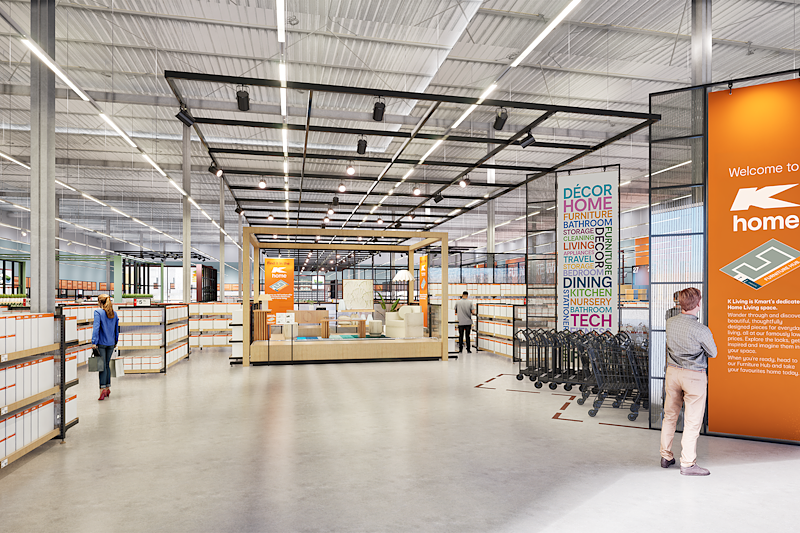
The trial store spans 3800 square metres and is designed as a standalone furniture and homewares store. According to Scott, this space allows Kmart to showcase and demonstrate its home products effectively, something that was previously limited in existing Kmart stores. He noted that there are also zoning rules in some areas that prohibit retailers from selling bulky items like furniture alongside other products such as clothing.
By entering the furniture retail market, Kmart is now competing directly with major players like IKEA. In an ASX announcement, Wesfarmers revealed it holds a 12% market share in the furniture and homewares sector, which is valued at $35 billion.
Kmart’s Anko brand, which became a store-owned brand in 2019, has been a key success factor for the company. This brand will be prominently featured in the new K Home store, along with other selected furniture and storage products. The store is designed for curated displays, aiming to enhance customer experience.
If the trial K Home store sees positive customer traffic, sales growth, and profitability, a second store may follow.

While Wesfarmers is focusing on expanding its physical presence, the company is also integrating artificial intelligence into its operations and customer experience. Scott believes Australians are quick to adopt new technologies, especially in shopping contexts. For instance, after Bunnings introduced “Buddy,” a conversational tool for product information and DIY advice, around 50,000 customers used it weekly.
Scott observed that AI tools like Buddy and Kmart’s “Joy” have encouraged shoppers to buy more, improving conversion rates and increasing basket sizes. This is particularly important during times when Australian consumers face cost-of-living pressures due to inflation and higher interest rates, which have led to reduced spending.
“We are seeing signs of cost-of-living challenges in lower basket sizes because customers are making choices or ‘shopping down’ to entry price-point products to save money,” Scott said. However, he noted that businesses focused on everyday low pricing, like Kmart, Bunnings, and Officeworks, tend to benefit in these circumstances.
Regarding the federal government’s changes to the capital gains tax discount, Scott mentioned that the impact on consumers is unclear and likely to be felt over the medium to long term. He expressed concerns that these changes could dampen investment and entrepreneurial activities.
Despite the growing popularity of AI and online shopping, Scott stressed that physical stores remain vital in keeping customers engaged. “Many of our most avid online shoppers still enjoy visiting our stores,” he said. He warned that focusing solely on e-commerce and neglecting physical stores could lead to a decline in foot traffic.
Analysts from Citi highlighted that Wesfarmers' strategy presentation outlined plans to leverage AI across its divisions, aiming to boost productivity and monetize data assets.
Post a Comment for "Why Kmart Is Taking On IKEA With New Furniture Showroom"