
An Unexpected Discovery in the Garden
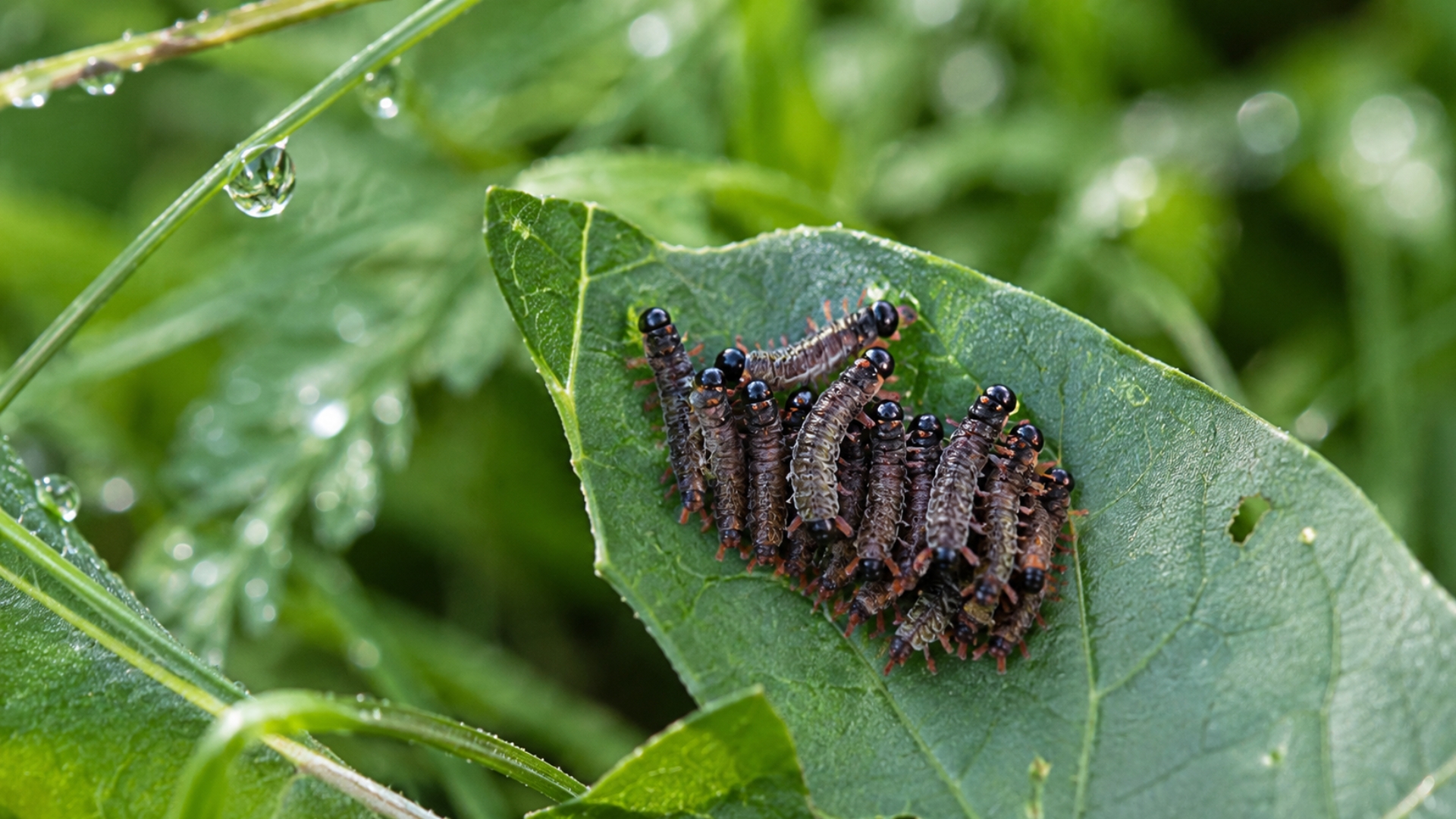
Gardeners often come across unexpected wildlife, from birds nesting to hedgehogs visiting and insects pollinating. However, one woman's discovery began with something unusual: a mysterious green lump attached to a plant in her garden.
At first glance, the object seemed like an odd growth or clump of vegetation. But upon closer inspection, it was revealed to be a mass of tiny caterpillars at the very beginning of their lives. What appeared to be a simple garden curiosity was actually a glimpse into one of nature's most extraordinary transformations.
A Nursery Hidden in Plain Sight
Many butterfly and moth species start their lives as clusters of eggs carefully placed on specific plants. When these eggs hatch, the young caterpillars often remain grouped together for a while. This behavior can make them look like a single moving mass rather than individual insects.
To casual observers, these clusters can easily be mistaken for plant growths, mold, or even signs of disease. In reality, they represent a critical stage in the life cycle of some of the world's most familiar insects.
Why Caterpillars Gather Together
For newly hatched caterpillars, staying together offers several advantages. Large groups may help reduce the chances of being targeted by predators. Clustering can also make it easier for young larvae to find food and maintain suitable environmental conditions during their earliest days.
Many species gradually disperse as they grow larger and become more independent. The exact behavior varies depending on the species, but communal living is surprisingly common among newly emerged caterpillars.
The Beginning of an Incredible Transformation
The tiny insects discovered in the garden were only at the first stage of a remarkable journey. Over the coming weeks, caterpillars focus primarily on eating and growing. During this period, they shed their skin multiple times as their bodies expand.
Eventually, they enter the pupal stage, forming a chrysalis or cocoon depending on the species. Inside, one of the most dramatic transformations in the animal kingdom takes place as the caterpillar's body reorganizes into an adult butterfly or moth.
The result is a completely different animal capable of flight, reproduction, and dispersal.
Gardens Play an Important Role in Butterfly Conservation
Discoveries like this highlight the value of even small gardens for wildlife. Many butterflies and moths depend on specific host plants where females can lay eggs and where caterpillars can find food after hatching.
A tidy garden that removes every insect, fallen leaf, or wild corner may actually provide fewer opportunities for wildlife than one that allows some natural growth. Native plants, flowering species, and pesticide-free areas can all help support pollinators and other beneficial insects.
For many species, private gardens collectively form an important network of habitat across towns and cities.
Tiny Creatures With a Big Ecological Role
Although caterpillars are often overlooked, they play a significant role in ecosystems. They provide food for birds, reptiles, amphibians, spiders, and other insects. Later, as adult butterflies and moths, many species contribute to pollination.
Because insects form the foundation of many food webs, healthy caterpillar populations can benefit a wide range of wildlife. Conservationists increasingly emphasize that protecting insects is essential not only for the insects themselves but for the broader ecosystems that depend on them.
Why This Discovery Captivated People
Part of the appeal of the story lies in how easily the cluster could have been missed. What initially appeared to be an unremarkable green lump turned out to be hundreds of tiny lives beginning a complex transformation that has fascinated humans for centuries.
It is also a reminder that remarkable wildlife encounters do not always require a trip to a national park or nature reserve. Sometimes they happen in a backyard garden, hidden on a single leaf.
For one gardener, a closer look revealed something extraordinary. For everyone else, it offers a reminder that nature's most impressive stories are often unfolding right outside our doors.


No comments:
Post a Comment