
AI Investment Fuels Hiring Surge, Defying Concerns
The Relationship Between AI Investment and Employment Growth
As artificial intelligence (AI) continues to evolve, concerns about its impact on the job market have become more prevalent. Many individuals, especially young people entering the workforce, are anxious about the possibility of layoffs. Some estimates suggest that AI could replace 15% of all jobs in the U.S. within the next five years.
However, recent empirical studies challenge this notion. These studies reveal that companies investing heavily in AI are not only maintaining their workforce but also increasing hiring. In some cases, they are even rehiring retired professionals to help train and refine AI systems when quality issues arise.
AI Investment and Employment Are Directly Proportional
A joint study conducted by Lamp, a corporate card company based in New York, and Levelio Labs, a workforce analytics firm, analyzed data from 21,559 U.S. companies between January 2021 and February 2026. The research found that companies spending an average of $30 per employee monthly on AI experienced a 10.2% increase in their workforce over the past two years. Notably, hiring among first-time job seekers rose by 12%, while managerial positions increased by 6.7%.
Employment growth was observed across all sectors where AI investment occurred, including engineering, sales, office administration, customer service, finance, marketing, and R&D. The highest levels of AI spending were recorded in software, internet, media, finance, and insurance industries, whereas construction, healthcare, arts, entertainment, and restaurants saw lower investments.
The report highlighted that the common belief—that high AI investment leads to reduced hiring among young people—does not reflect reality. It noted that the 12% hiring growth rate among young people exceeded the overall 10.2% increase.
Key Factors Driving Hiring Growth
The primary drivers of hiring growth were identified in companies that had developed AI systems internally and were actively integrating them into their operations. In contrast, companies that only briefly used external AI services as paid members did not see significant increases in hiring.
However, the analysis did not conclusively determine the causal relationship between AI investment and employment growth. It remains unclear whether increased AI spending leads to reduced production costs and expanded hiring capacity or if it is simply that already growing companies are increasing their AI investments.
The report concluded, “While it is too early to assert that AI creates many new jobs, it is clear that increased AI investment does not lead to large-scale job losses.” From a management perspective, AI is viewed as a tool for enhancing productivity and driving corporate growth, rather than a means for layoffs.
Ford Rehires Retired Engineers
One notable example of this trend is Ford, a U.S. automaker that has rehired 350 retired engineers over the past three years. This decision came after a rise in defect rates despite the expansion of automation systems. The company brought back skilled workers who had previously worked at headquarters or subcontractors.
Sources at Ford indicated that despite ongoing efforts to expand automation, the results were disappointing. Vice President Charles Poon mentioned in a media interview, “We thought injecting design blueprints into AI would produce high-quality products, but that was not the case.” While Ford continues to pursue AI adoption, it plans to rehire retired engineers to train younger employees and improve AI programs.
The Role of Skilled Workers in AI Integration
The rehired engineers are primarily responsible for thoroughly inspecting automotive parts for defects before they enter the assembly line. Their focus is on identifying flaws in the design rather than the production process. This is because AI can check whether products are made correctly according to design blueprints but lacks the ability to identify issues with the designs themselves.
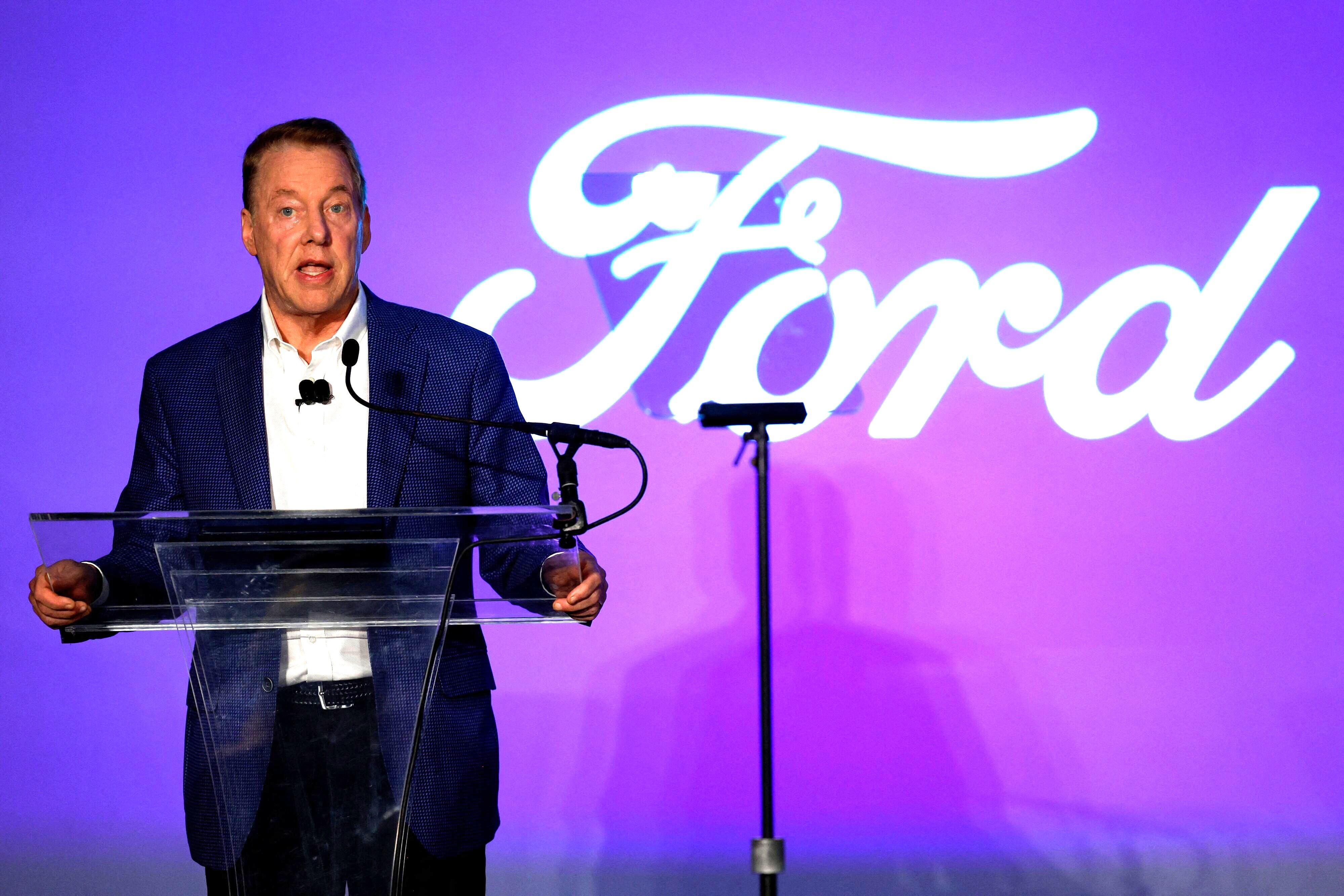
In essence, these skilled workers act as AI supervisors. Ford’s CEO, Jim Farley, stated, “Thanks to rehiring retired skilled workers, we have reduced parts warranty periods and saved hundreds of millions of dollars in costs related to recalling defective products.”
Additional Information
For those interested in accessing news and publications, there are various membership options available. One such option includes a monthly subscription for 5900 won, offering 2900 won for newspaper readers through the Chosun Membership. Subscribers can enjoy 8 different newspapers and magazines worth up to 55,000 won. Additionally, members receive 7000 points that can be used like cash for convenient shopping.
Post a Comment for "AI Investment Fuels Hiring Surge, Defying Concerns"