
China's Grip on African Ports Spans Software, Automation, and AI: Study
China's Deepening Influence in African Maritime Networks
Chinese firms have significantly embedded themselves within Africa’s maritime networks, playing a pivotal role in the continent’s trade infrastructure. According to a recent study by the Africa Centre for Strategic Studies, Chinese companies not only operate, finance, or hold stakes in approximately one-third of all African ports but also control the software, automation, and artificial intelligence (AI) tools that manage these critical infrastructures.
This influence extends beyond the docks, with Beijing financing and operating road, rail, and warehousing networks connected to these ports and other maritime projects across the continent. This integration closely intertwines African trade with China's own trading systems.
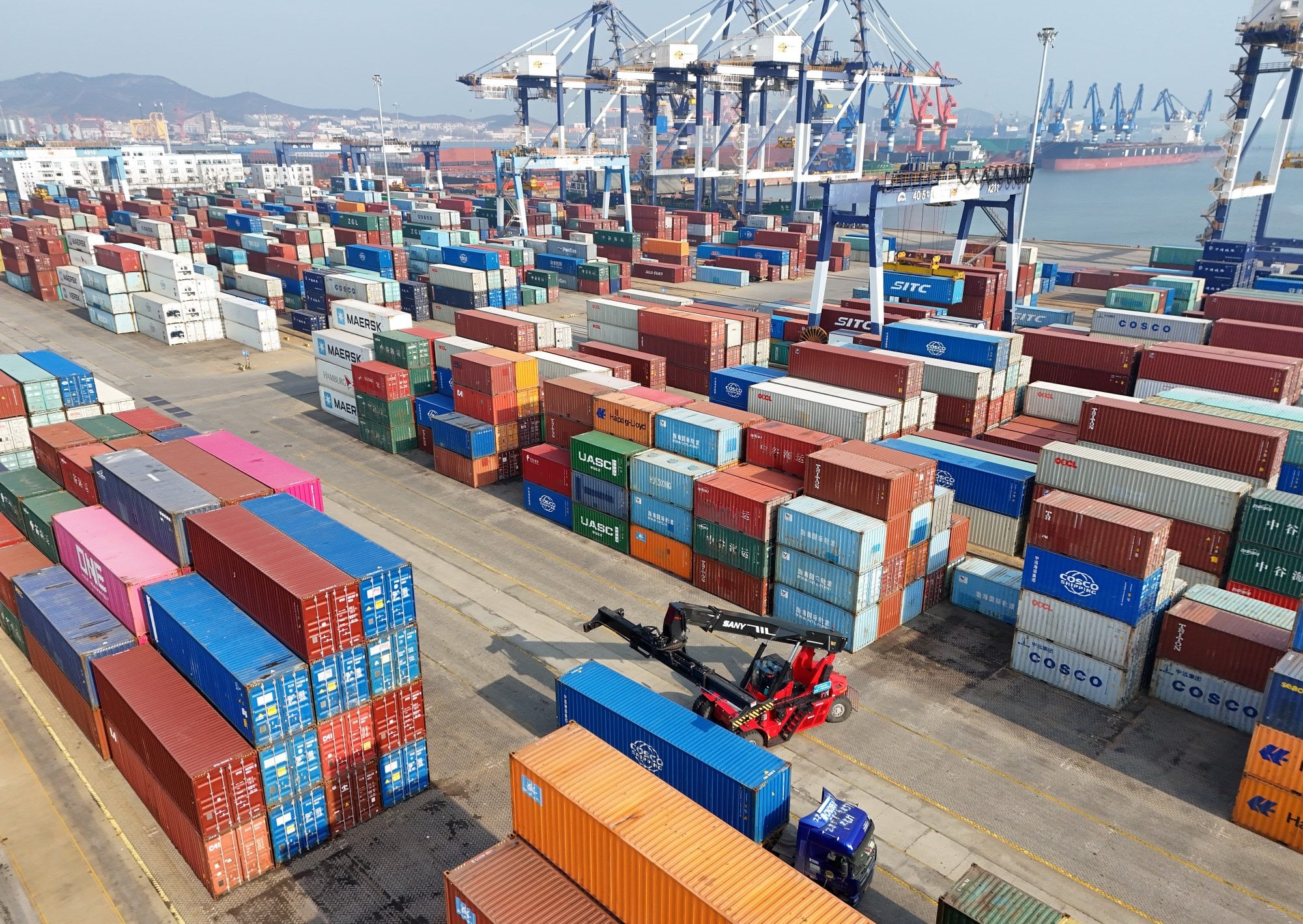
The study highlights that China has established shipping corridors linking African port clusters to key Chinese hub cities such as Qingdao and Yantai in Shandong province. These corridors reflect Africa's deepening integration into China-centred maritime networks.
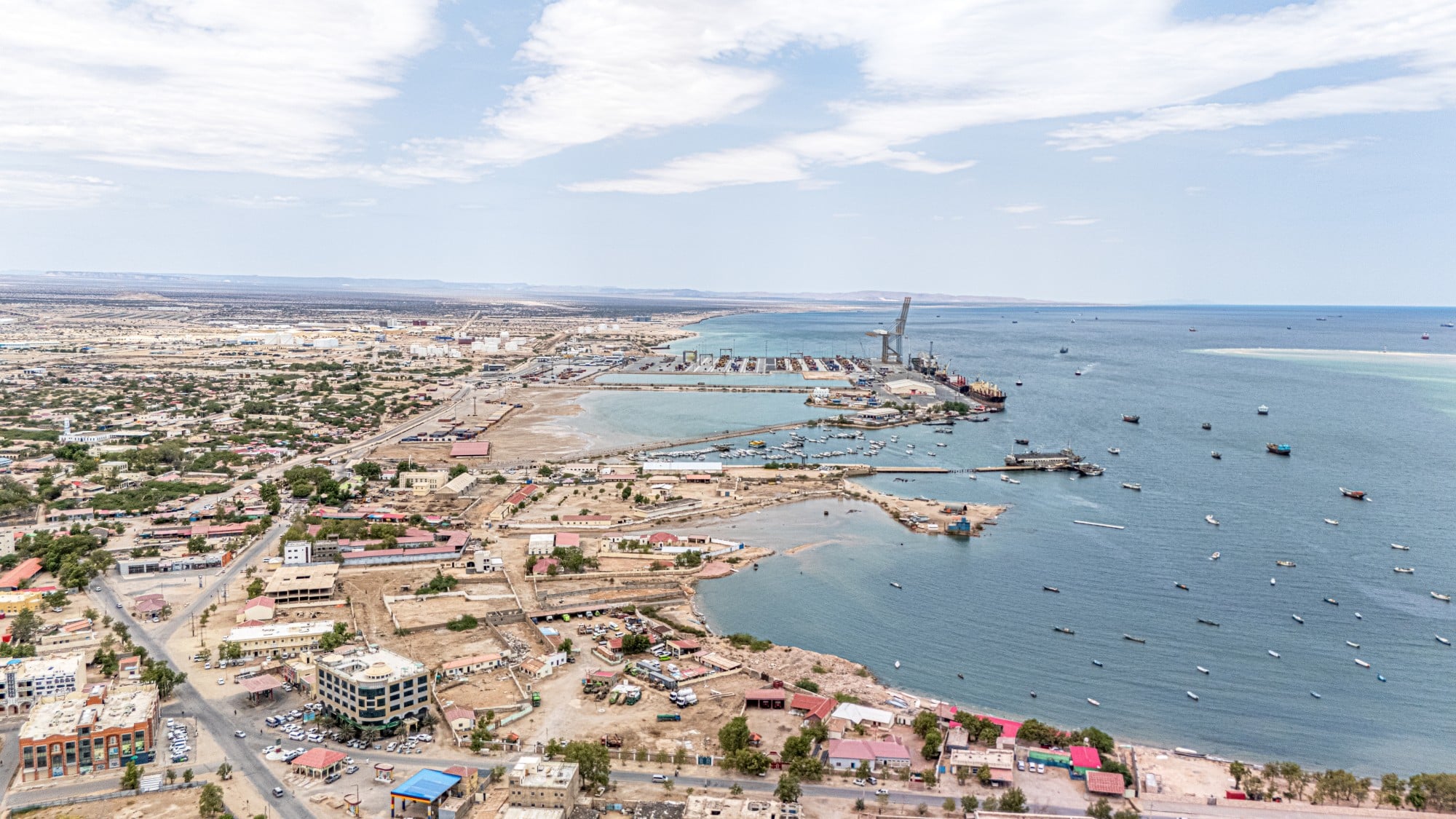
Much of this activity is driven by the Belt and Road Initiative (BRI), launched in 2013 to connect China to global markets via improved land and sea routes. Since its inception, China has invested an estimated $50 billion in African port infrastructure, according to the centre's research.
China-Africa trade rose by nearly 18% in 2025, as per Chinese customs data. The report suggests that China's maritime engagement is motivated by a combination of economic, technological, and geopolitical objectives.
"Securing African maritime trade routes is essential for China's global geopolitical strategy," said Paul Nantulya, a China-Africa expert and research associate at the Africa Centre for Strategic Studies. He emphasized that Africa's resource wealth remains central to its long-term access to oil, gas, minerals, and agricultural commodities.
Through investments in port infrastructure, merchant fleets, state-owned enterprises, and policy banks, China has become deeply involved in African maritime activities. These systems encompass port software, automation, AI, cybersecurity, and maritime governance, which attract African governments through offers of financing, customs coordination, and modernization.
While Western firms like Kaleris (Navis) and Siemens have traditionally led in port software and automation, China is challenging their dominance. Companies like Huawei provide all-in-one alternatives, supplying African ports with 5G networks, automated gates, and equipment software to replace older Western setups.
According to a 2022 report by the US-China Economic and Security Review Commission, Beijing links these tools with Logink, a Chinese state-backed logistics data platform, and maritime training to offer a financed package for customs and port upgrades that Western rivals cannot match.

However, Nantulya warns that these deals often come with hidden costs. "At times, these arrangements result in African exposure to unsustainable debt," he said. Concerns also persist regarding Chinese firms gaining long-term influence through equity participation or management agreements, particularly given the lack of public access to agreements and weak oversight.
China also competes to export maritime technologies, including dredging systems, smart-port infrastructure, logistics platforms, and surveillance tools. More than 30 African countries now use the BeiDou satellite navigation system for primary maritime navigation, often alongside or instead of American GPS, according to the report.
Under the BRI, many African ports have modernized their operations by installing proprietary Chinese automation and AI systems such as sensor perception, smart gates, and autonomous driving.
John Calabrese of the Middle East Institute noted that by controlling software and automation, Chinese firms "effectively remain indispensable long after construction ends," creating long-term commercial and political leverage.
He added that these systems generate valuable trade and logistics data while encouraging host countries to adopt Chinese technical standards, making future procurement more likely to favor Chinese companies.
"In effect, Beijing is turning one-off infrastructure projects into an enduring web of interaction," Calabrese said.
Nantulya pointed out that China is also driven by strategic geography, citing the Chinese-financed Doraleh Multipurpose Port in Djibouti, where China Merchants Group holds a 23.5% stake. Located on the strategically important Bab el-Mandeb Strait, the port is adjacent to the Djibouti International Free Trade Zone and close to the People's Liberation Army Support Base.
David Shinn, a China-Africa expert and professor at George Washington University, stated that while most Chinese-financed projects are profit-driven, they concurrently offer strategic advantages for Chinese commercial shipping and access for the PLA Navy.
Beyond port construction, Shinn noted that many of these initiatives are linked to Chinese-financed pipelines, inland transport infrastructure for the export of critical minerals, and the development of underwater cables. "Djibouti is a special case," Shinn said, adding that China also constructed the country's commercial port and financed and built the railroad from Djibouti to Addis Ababa.
Shinn mentioned that the PLA Navy has maintained a continuous anti-piracy task force in the Gulf of Aden since 2008, relying on the Djibouti facility for support. He added that it had also expanded its deployments across the region, with more frequent calls at other strategic ports.
Post a Comment for "China's Grip on African Ports Spans Software, Automation, and AI: Study"