
Europe bids farewell to Sentinel-1A after 12 years of Earth monitoring
A Defining Chapter in European Earth Observation
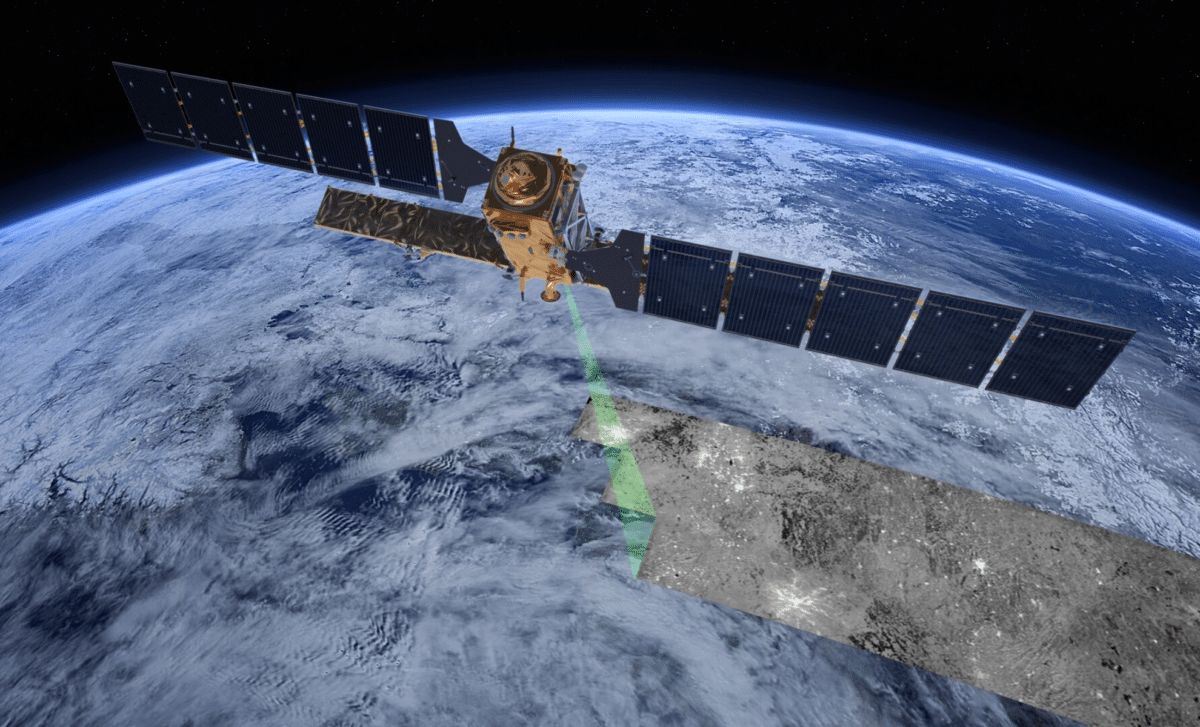
A defining chapter in European Earth observation has come to a close as the European Space Agency (ESA) confirms the end of mission operations for Sentinel-1A, the first satellite of the Copernicus programme. After more than a decade of continuous radar imaging of the planet, the spacecraft that helped reshape how humanity monitors Earth has completed its operational life. The announcement marks both the retirement of a pioneering satellite and the transition into a new generation of radar capability that continues its legacy in orbit.
A Satellite That Opened The Copernicus Era
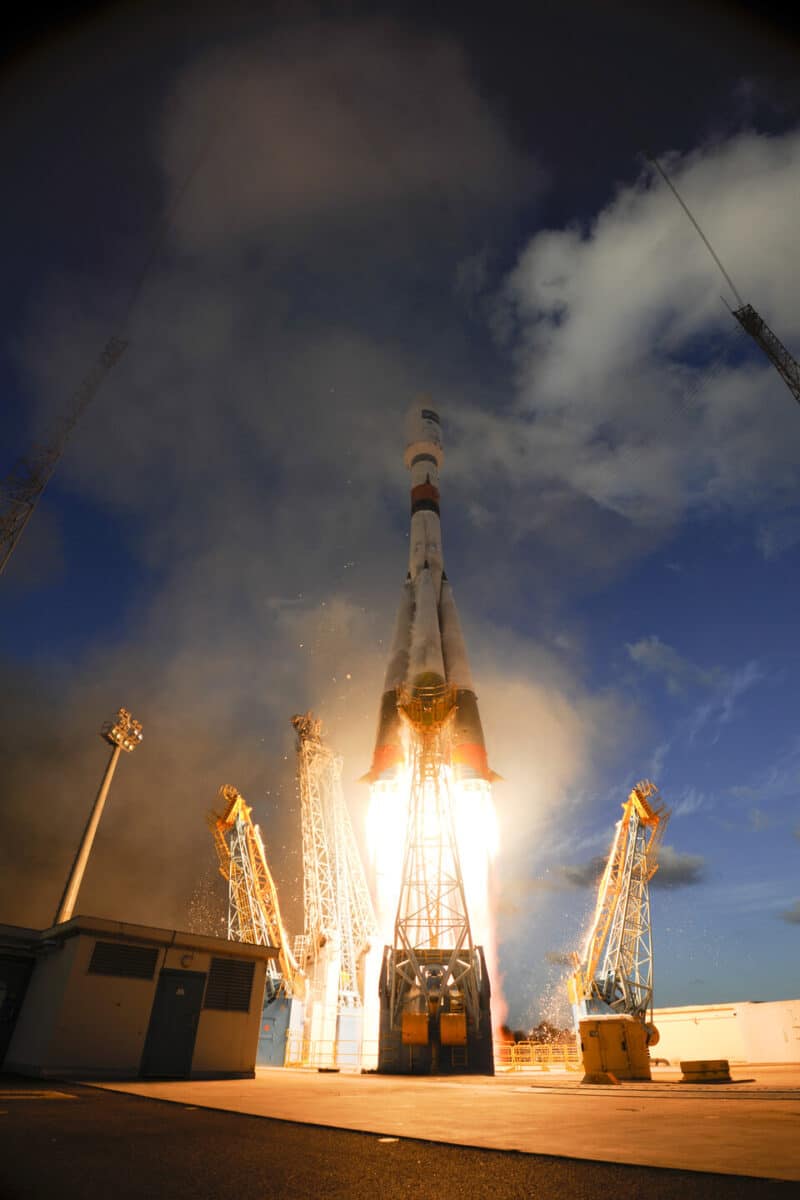
Sentinel-1A was launched in April 2014, initiating the Copernicus Earth observation programme and establishing a new standard for open-access, high-resolution radar data. Designed for a seven-year mission, it ultimately delivered nearly double its expected operational lifetime, maintaining a continuous stream of imagery that supported environmental monitoring, disaster response, and scientific research across the globe.
Operating in C-band synthetic aperture radar, the satellite provided consistent imaging regardless of daylight or weather conditions. This capability allowed researchers and operational services to observe dynamic changes on Earth’s surface with unprecedented reliability. From Arctic sea ice monitoring to flood mapping and land deformation studies, Sentinel-1A became a foundational tool in global Earth system analysis.
Over time, its role expanded beyond its original mission scope as demand for radar data increased across climate science, maritime surveillance, and emergency response systems. Its sustained performance also reinforced the value of long-duration Earth observation platforms in building continuous environmental records essential for long-term climate studies.
Operational Resilience And A Critical Extended Role
The spacecraft’s operational history became even more significant following the loss of Sentinel-1B in 2021 due to a power system failure. With one of the pair no longer active, Sentinel-1A assumed an expanded operational burden, ensuring continuity of Europe’s radar Earth observation capability during a critical period.
According to ESA mission communications, “Sentinel-1A remains at the forefront of Earth observation and continues to play a key role in enabling the application of artificial intelligence in data and services. After years of outstanding service, Sentinel-1A has earned a well-deserved retirement.”
This period highlighted the satellite’s robustness and the operational flexibility of the Copernicus system, which relies on coordinated satellite fleets rather than single-point assets. The continued availability of Sentinel-1A data during this time proved essential for both European and international users who depended on near-real-time radar observations for environmental and security applications.
The mission also contributed to the development of advanced data processing techniques, including machine learning approaches that rely on large-scale radar datasets. These applications have since become integral to modern Earth observation pipelines, reinforcing the satellite’s influence beyond its physical lifespan.
Transition To A New Generation Of Radar Satellites
As Sentinel-1A concludes its operational phase, ESA has already transitioned to a more advanced constellation featuring Sentinel-1C and Sentinel-1D. These newer satellites are now operating in coordinated orbits, positioned 180 degrees apart to maximize global coverage and improve data continuity.
ESA mission leadership emphasized the coordinated transition effort, stating: “Over the past few years, the teams have worked tirelessly to dispose of one satellite and commissioning two new ones. Today, Sentinel-1C and Sentinel-1D are performing very well and offer improved capabilities with respect to Sentinel-1A. This gives us great confidence as we look to the future of the mission.”
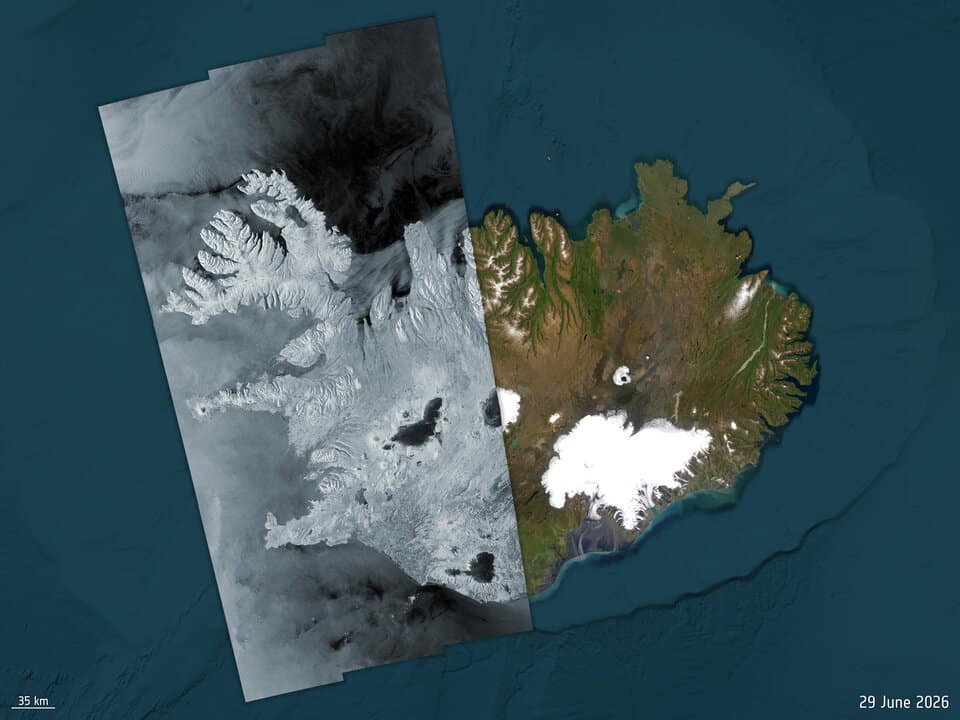
These successors are equipped with upgraded radar systems and enhanced onboard instruments, including improved maritime tracking capabilities through Automatic Identification System payloads. Their dual-satellite configuration ensures more frequent revisits and improved global monitoring capacity compared to earlier mission phases.
The transition process has required careful orbital adjustments and mission planning to ensure uninterrupted service. Sentinel-1C and Sentinel-1D now serve as the backbone of Europe’s radar Earth observation infrastructure, maintaining continuity for users who rely on consistent and high-quality geospatial data.
A Legacy That Extends Beyond Its Operational Life
Even as its operational role ends, Sentinel-1A’s contribution to Earth science continues through its extensive data archive, which will remain a reference for decades. The satellite’s long-term datasets form one of the most comprehensive radar observation records ever collected, supporting ongoing research in climate change, land subsidence, glacier dynamics, and ocean monitoring.
ESA’s Director of Earth Observation Programmes reflected on the mission’s impact, stating, “Sentinel-1A was far more than a satellite, it opened the Copernicus era. For over a decade, it delivered vital data every day, helping us better understand our planet and respond to some of society’s most pressing challenges. As we bid farewell to this remarkable satellite, we celebrate an extraordinary legacy and look forward with confidence as Sentinel-1C and Sentinel-1D carry that legacy into the years ahead.”
The spacecraft’s final phase will involve a controlled disposal process planned for the coming months, ensuring safe decommissioning in accordance with orbital debris mitigation guidelines. While Sentinel-1A’s instruments have ceased operations, its impact remains embedded in global environmental monitoring systems that continue to rely on its historical dataset.
As ESA moves forward with its next-generation constellation, Sentinel-1A stands as a milestone in space-based Earth observation, marking the moment when continuous radar monitoring became a permanent feature of how humanity studies its changing planet.
Post a Comment for "Europe bids farewell to Sentinel-1A after 12 years of Earth monitoring"