
Frank Gardner: Navy Shifts Strategy in Modern Warfare
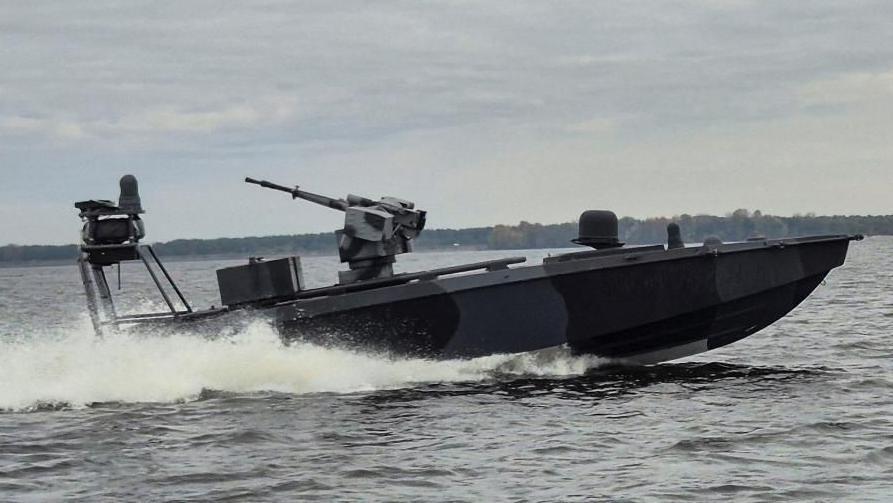
The Royal Navy is undergoing a significant transformation in its operational strategy over the coming years. Traditionally, the fleet has relied on powerful and expensive vessels such as the six Type 45 destroyers, which were designed primarily for air defense. However, these will no longer be replaced by the planned Type 83 versions. Instead, the Navy is shifting towards a more cost-effective approach by acquiring several new ships known as Common Combat Vessels. These vessels will serve as command hubs, controlling fleets of uncrewed systems or drones.
This strategic shift is part of the long-awaited but recently updated Defence Investment Plan (DIP), which was announced by the government this week. The concept behind this change is called "hybridisation," which involves combining traditional crew-operated platforms like frigates with advanced uncrewed and autonomous systems. While the Royal Navy will continue to maintain and update its frigates, the more expensive and powerful Type 83 destroyers are now being scrapped in favor of drone technology.
The move towards drone-equipped warships is particularly notable given the evolving nature of modern warfare. These drones come in various shapes and sizes, differing significantly from the small, inexpensive quadcopters used in conflicts like the Donbas. The naval drones in question are nearly 100 meters long and are intended for deployment in the North Atlantic to counter threats posed by Russian submarines and research vessels that have shown an unhealthy interest in the UK's undersea data cables.
In addition to the changes in ship design, the Royal Marines, which are part of the Royal Navy, have been allocated approximately £500 million for fast Commando Insertion Craft and strike drones. This investment is part of the development of a Rapid Response Force, aimed at enhancing the military's ability to respond quickly to emerging threats.
Despite the strategic rationale behind these changes, the plans have sparked controversy. John Healey, who recently resigned as defence secretary, cited the government's failure to adequately fund Britain's defense against current threats, particularly those from Russia, as the reason for his resignation. His departure was followed by that of Al Carns, the armed forces minister, who also resigned over similar concerns.
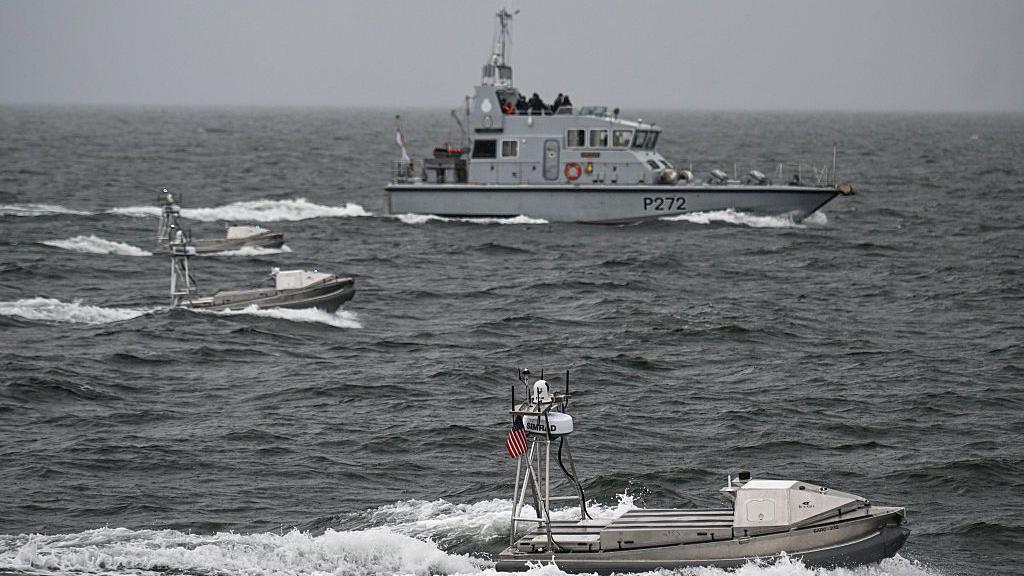
Dan Jarvis, who took over as defence secretary, has spent the past two weeks refocusing the DIP to incorporate lessons learned from recent conflicts in Ukraine and Iran. Ukraine's relatively small navy has successfully pushed back Russia's once-dominant Black Sea fleet using innovative drone technology. Similarly, during the US-Iran conflict around the Strait of Hormuz, it became clear that even a small number of cheap, easily concealable drones could pose a significant threat to vital shipping lanes.
These experiences have influenced the updated DIP, marking a fundamental shift in how wars are fought today. Bob Sawers, managing director of corporate intelligence firm Audere Group, noted that the shift reflects a growing recognition that defense must adapt to keep up with the pace of modern conflict. He emphasized the competition between industrial-age procurement methods and wartime adaptation, stating that the most successful capabilities will be those that can deliver military effect quickly, scale affordably, and evolve alongside emerging threats.
However, there is an underlying question about the true intent behind these changes. Are they genuinely aimed at extending the Navy's reach and maximizing capability, as claimed by the Ministry of Defence? Or are they simply a means of cutting costs?
Tom Sharpe, a former Royal Navy Commander, believes the changes are driven by cost-cutting. He acknowledged that the new plan makes sense in terms of dispersed lethality but warned that drones have limitations. "There are a lot of things drones can't do," he said, adding that the technology and weapons required to make this work will likely cost just as much as the now-cancelled Type 83 destroyer.
As Dan Jarvis works tirelessly to finalize the defense plan, the government remains committed to its controversial approach. Despite the resignations and criticisms, the Prime Minister is pushing ahead with the plan, while the defense chief warns that operational cuts may occur without additional funding.
Post a Comment for "Frank Gardner: Navy Shifts Strategy in Modern Warfare"