
NASA boosts moon base plans with NEXTSTEP-3 tech leap
NASA’s Nextstep-3 Initiative: A New Push for Lunar Technologies
NASA has released a new draft solicitation through the Nextstep-3 Appendix A program, signaling a focused effort to advance critical technologies for lunar surface operations. The initiative aims to address key engineering challenges that must be overcome before sustained missions to the Moon can become a reality.
Understanding Nextstep-3 and Its Role in Lunar Exploration
The Nextstep-3 initiative is part of NASA’s broader strategy to accelerate the development of systems needed for long-term operations on the Moon and in cislunar space. This includes not only hardware but also the infrastructure necessary to support future missions. The newly issued Broad Agency Announcement emphasizes identifying and advancing technologies that can transition from early-stage research to practical demonstrations in realistic environments.
A central goal of the program is to bring technologies up to Technology Readiness Level 5–6. At this stage, components are tested in environments that closely mimic operational conditions, serving as a crucial bridge between laboratory innovation and mission-ready hardware.
A Systems-Level Approach to Lunar Infrastructure
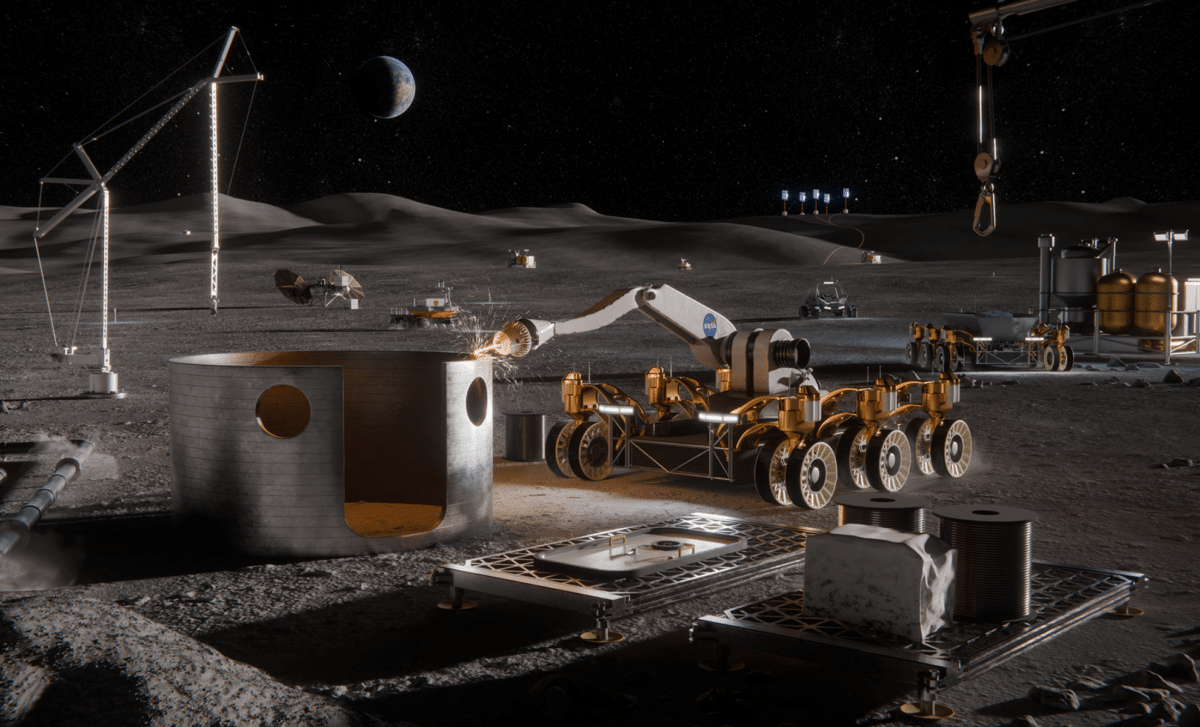
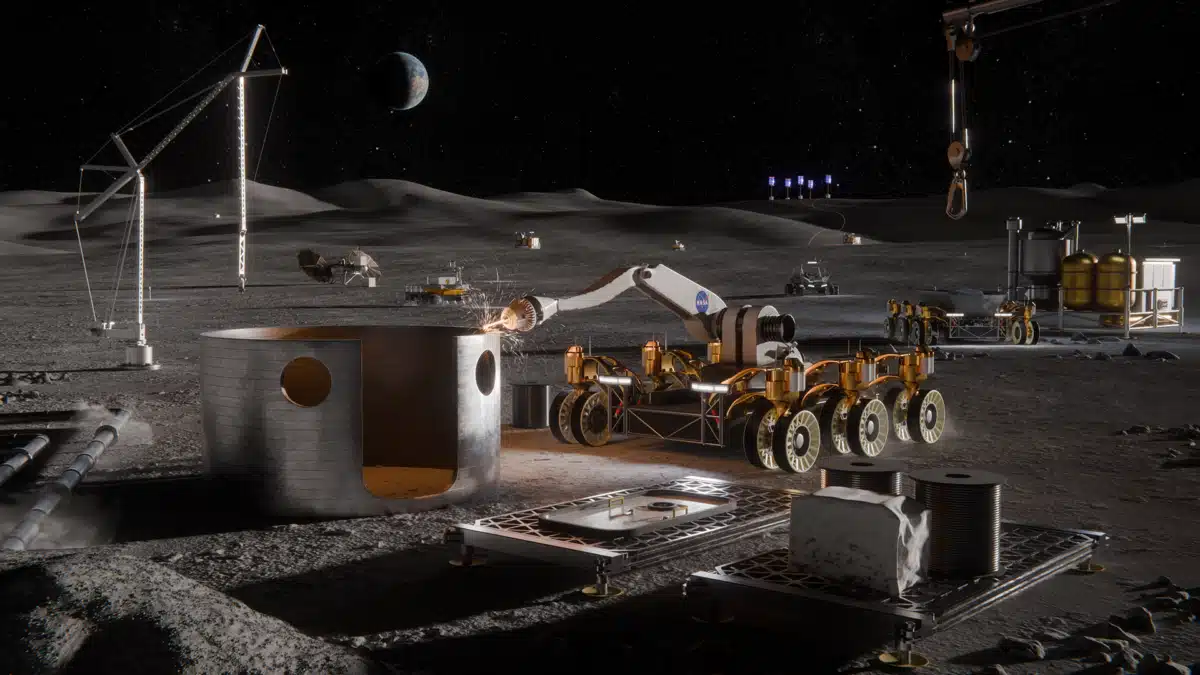
The scope of the Nextstep-3 program reflects a comprehensive, systems-level approach to building lunar infrastructure. Rather than focusing on singular breakthroughs, NASA is prioritizing interconnected capabilities that collectively support a sustainable presence on the Moon. These include:
- Power generation: Developing reliable energy sources to support continuous operations.
- Resource utilization: Creating systems that can extract and use local materials, such as oxygen from lunar regolith.
- In-space manufacturing: Enabling the production of tools and structures directly in space or on the Moon.
This approach ensures that multiple technologies work together to form a cohesive lunar ecosystem, reducing dependence on Earth-based supply chains.
Encouraging Diverse Technical Pathways
Nextstep-3 also marks a shift toward funding and supporting multiple solutions in parallel. By investing in ground-based testing and prototype validation, NASA is encouraging diverse technical approaches that can be compared, refined, and ultimately integrated into mission architectures.
Priority Technology Areas for Lunar Development
The draft solicitation outlines several key technology domains that are essential for future lunar exploration. These include:
- Vertical solar array systems: Designed to maximize energy capture in the Moon’s unique lighting conditions, where long periods of shadow and extreme illumination cycles challenge traditional power designs.
- In-situ resource utilization (ISRU): Focusing on systems that can produce oxygen and other resources from lunar materials, reducing reliance on Earth.
- Stirling radioisotope generators: Potential long-duration power sources for environments where solar energy is unreliable.
- In-space manufacturing technologies: Allowing structures and components to be produced directly in space or on the Moon, reducing launch mass and improving mission flexibility.
- Advanced nanomaterials production: Enabling stronger, lighter, and more resilient materials for spacecraft and surface infrastructure.
Program Context and Strategic Goals
The announcement was made under NASA’s Space Technology Mission Directorate framework and is aligned with the Lunar Enabling Infrastructure Accelerator (LEIA) effort. The draft Broad Agency Announcement under Nextstep-3 Appendix A was released on June 29, 2026, following a synopsis issued in May of the same year.
This structured process engages industry, academia, and research institutions in developing competing solutions that meet specific lunar architecture needs. The goal is not only to advance individual technologies but also to ensure they are compatible with future mission systems that may operate as part of a larger lunar base ecosystem.
Strategic Implications for Future Moon Missions
The technologies targeted by Nextstep-3 point toward a future where lunar missions rely less on direct Earth support and more on locally sustained systems. Energy production, resource extraction, and manufacturing form an interconnected infrastructure model that could support extended human and robotic presence.
This approach also signals a shift in how space systems are developed. Instead of isolated mission-specific hardware, NASA is moving toward modular capabilities that can be integrated across multiple mission profiles. Such flexibility will be increasingly important as lunar activity expands and mission complexity grows.
By focusing on Technology Readiness Level advancement, NASA is addressing a fundamental constraint in space exploration: promising concepts must undergo rigorous validation before deployment. The emphasis on funding partially mature technologies helps shorten the gap between research and operational use without compromising reliability.
As lunar exploration strategies continue to evolve, programs like Nextstep-3 serve as critical stepping stones, shaping not only what will be built for the Moon, but also how future space infrastructure is conceived and validated.
Post a Comment for "NASA boosts moon base plans with NEXTSTEP-3 tech leap"