Apple and Google Face Regulatory Pressure Over App Tax
Apple and Google are under increased scrutiny over their app tax, a fee that has been criticized as unfair and unreasonable by the UK’s Competition and Markets Authority (CMA). The regulator has proposed changes that would allow iPhone and Google-powered smartphone users to access cheaper deals when subscribing to apps. This could potentially save consumers billions of pounds in the long run.
The CMA has emphasized the need for intervention, stating that the current system is not working in the best interests of consumers or the tech sector. Supporters of the move have welcomed the proposal, calling it a significant step forward in curbing the influence of Big Tech and protecting consumers. However, they also believe the CMA may need to take further action in the future.
Current App Store Rules
Under current rules, Apple restricts users from finding cheaper deals outside its platform when making in-app purchases. App developers are not allowed to provide alternative payment methods such as external links or QR codes, forcing users to go through Apple’s payment system. While Google has relaxed some of these restrictions, it still maintains certain limitations.
This means that British consumers often end up paying a “stealth” levy of up to 30% on in-app purchases, commonly referred to as the “app tax.” Critics argue that this practice exploits consumers and places an excessive burden on them. Although the fees are paid by app developers, including dating platforms like Tinder and Hinge, campaigners claim that these costs are ultimately passed on to users.
Impact on Consumers and the Tech Sector
The app tax has been found to cost Britons an estimated £4 billion over the next five years. The CMA hopes that its proposed changes will force Apple and Google to drop their charges, allowing consumers to access cheaper deals directly. The regulator believes that this will ensure the fees charged by both companies are “fair and reasonable.”
However, the CMA did not support calls for fines or a cap on the fees that Apple and Google can charge. Will Hayter, the CMA’s Executive Director for Digital Markets, stated that the proposed measures are the best way to introduce competitive pressure into a part of the mobile ecosystem that lacks it.

Reactions from Industry Experts
Tory peer Baroness Stowell praised the CMA’s proposals, calling them a “big step forward” for UK app developers and consumers. She added that while the measures are positive, it remains to be seen whether they go far enough. She urged the CMA to act again if necessary.
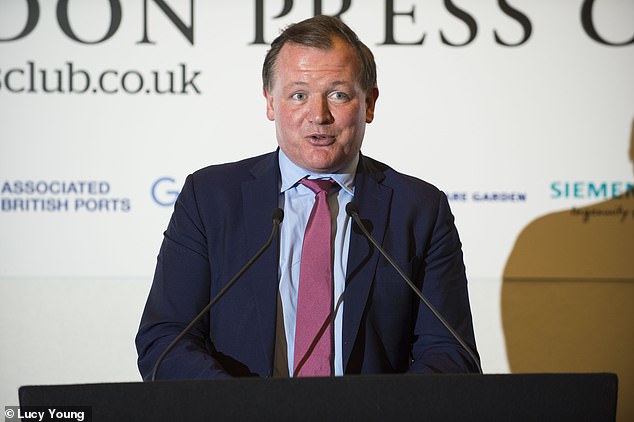
Former Tory tech minister Damian Collins welcomed the progress, noting that it would make it easier for consumers to access better deals off Apple and Google platforms. He also emphasized the importance of reviewing the pricing regime in app stores, where the CMA has previously raised concerns about excessive profits.
However, the Coalition for App Fairness criticized the plans, arguing that they are “little more than cosmetic” and do not go far enough. A spokesman for the group said the measures fall short of what is needed to increase competition and improve outcomes for developers and consumers.
Liberal Democrat Martin Wrigley, who is on the Commons technology committee, described the move as a “good step to breaking the stranglehold” of Apple and Google. He called for the CMA to investigate the 30% charges for both download and in-app purchases and assess the value they offer to developers and customers.
Next Steps
The CMA’s consultation will conclude in August, with changes expected to take effect later this year. Apple has indicated it will resist the announcement, arguing that users lose important protections when directed away from its trusted payment infrastructure. Google, on the other hand, claims it already allows “steering,” providing direct access to cheaper deals elsewhere.
Apple does not charge the levy on free apps or those offering tangible services, such as Deliveroo and Uber. The same applies to Google.
Read more
Leave a Reply