
Telstra, Optus and TPG Ordered to Release New Mobile Coverage Maps
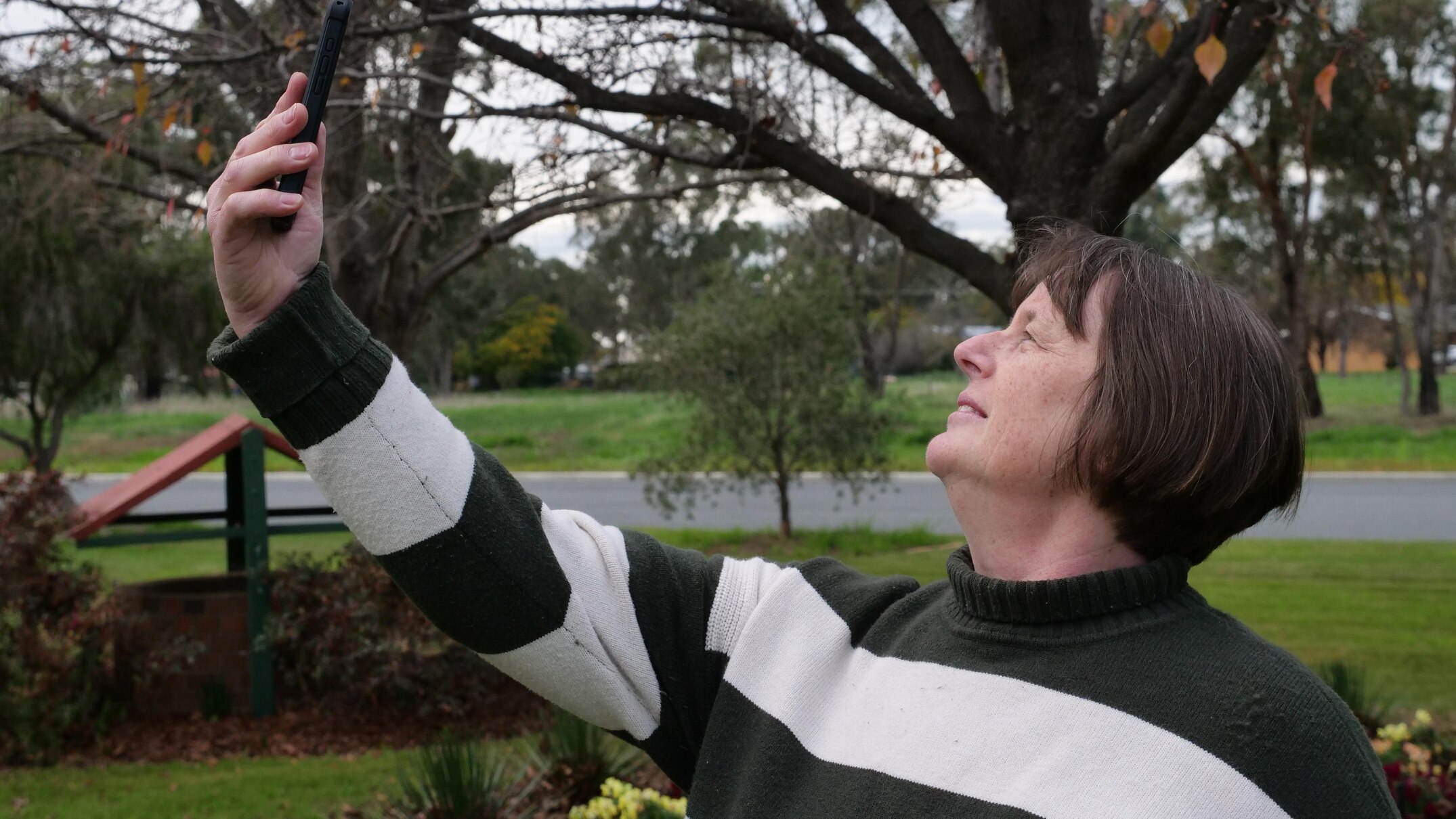
The Struggle for Reliable Mobile Coverage in Uranquinty
Despite being just a 10-minute drive west of Wagga Wagga, the largest inland city in New South Wales, residents of Uranquinty have long faced challenges with poor mobile reception. This issue has been a persistent problem, with local residents often finding that the coverage maps provided by major telcos do not reflect the reality on the ground.
Deb Bewick, a resident of Uranquinty, recalls an incident where a telco executive visited her home to discuss the reception issues. "He was sitting on the back verandah and was challenged to call the owner of the home," she said. "He was surprised when he couldn't make the call so close to Wagga Wagga. He just said, 'No, the maps say you have coverage,' but the reality was different."
This misconception is now being addressed as three major telcos—Telstra, Optus, and TPG—are required to publish standardized mobile coverage maps. These maps will use the same predictive modeling to classify the quality of 4G and 5G coverage across voice, SMS, and data communications. Failure to comply could result in enforcement action from the Australian Communications and Media Authority (ACMA).
Understanding the Coverage Categories
The new standard defines coverage based on signal strength measured in decibel-milliwatts (dBm). Here’s how the categories are defined:
- Good: High-quality user experience with seamless connectivity and performance.
- Moderate: Stable and consistent user experience with minimal disruptions to connectivity and performance.
- Basic: Adequate user experience with occasional disruptions to connectivity and performance.
- No coverage: No, or only very limited, predicted coverage in these areas, so you should not expect or rely on any service. Any connection you may receive would be incidental, highly inconsistent, and temporary, with very poor performance.
The War of Definitions
Telstra took issue with the definition of "no coverage," which could reduce the area it previously claimed to cover. The company argued that customers could still make calls in some cases below -115dBm. However, Communications Minister Anika Wells emphasized that Telstra has legal obligations to comply with the new standards.
Associate Professor Mark Gregory from RMIT University's School of Engineering noted that while the changes are a "50 per cent win for consumers," they are still "generous" compared to international standards. He pointed out that the maps are based on predictive modeling software rather than actual data, highlighting the need for on-the-ground testing to ensure accuracy.
What’s Different Now?
Regardless of the plan you're signed up to in Australia, the network is provided by one of three telcos: Telstra, Optus, and TPG. None were available for interviews, but all have published their maps, which look quite different from each other.
- Telstra distinguishes between different levels of quality using fine differences in shades of green for 4G and purple for 5G. However, its map experienced technical issues with patches disappearing when zoomed in, which the company is working to fix.
- TPG uses different colors for its quality key when toggling between 4G and 5G.
- Optus chose fine differences in shades with a different color for each of its 4G, standard 5G, and 5G plus services.
Optus reported an increase in mapped 4G and 5G coverage to 99.11% and 94.5% of the population, respectively. TPG stated that its mapped coverage increased from 98.5% to 99% of the population, with its footprint expanding from about 1 million to 1.2 million square kilometers.
A Step Forward for Consumers
Carol Bennett, chief executive of the Australian Communications Consumer Action Network, welcomed the changes as a "step forward." She highlighted the ongoing debate over what counts as actual coverage and the importance of accurate information for consumers.
Back in Uranquinty, Ms. Bewick remains skeptical about the impact of the new maps. "While the maps might be more accurate, they won’t change the reality on the ground," she said. "We find ways around providing coverage for ourselves, like working off the NBN. Most people have some form of internet coverage and then they use their phones from that."
Post a Comment for "Telstra, Optus and TPG Ordered to Release New Mobile Coverage Maps"