
The AI boom is devouring chips, leaving consumers to pay the cost
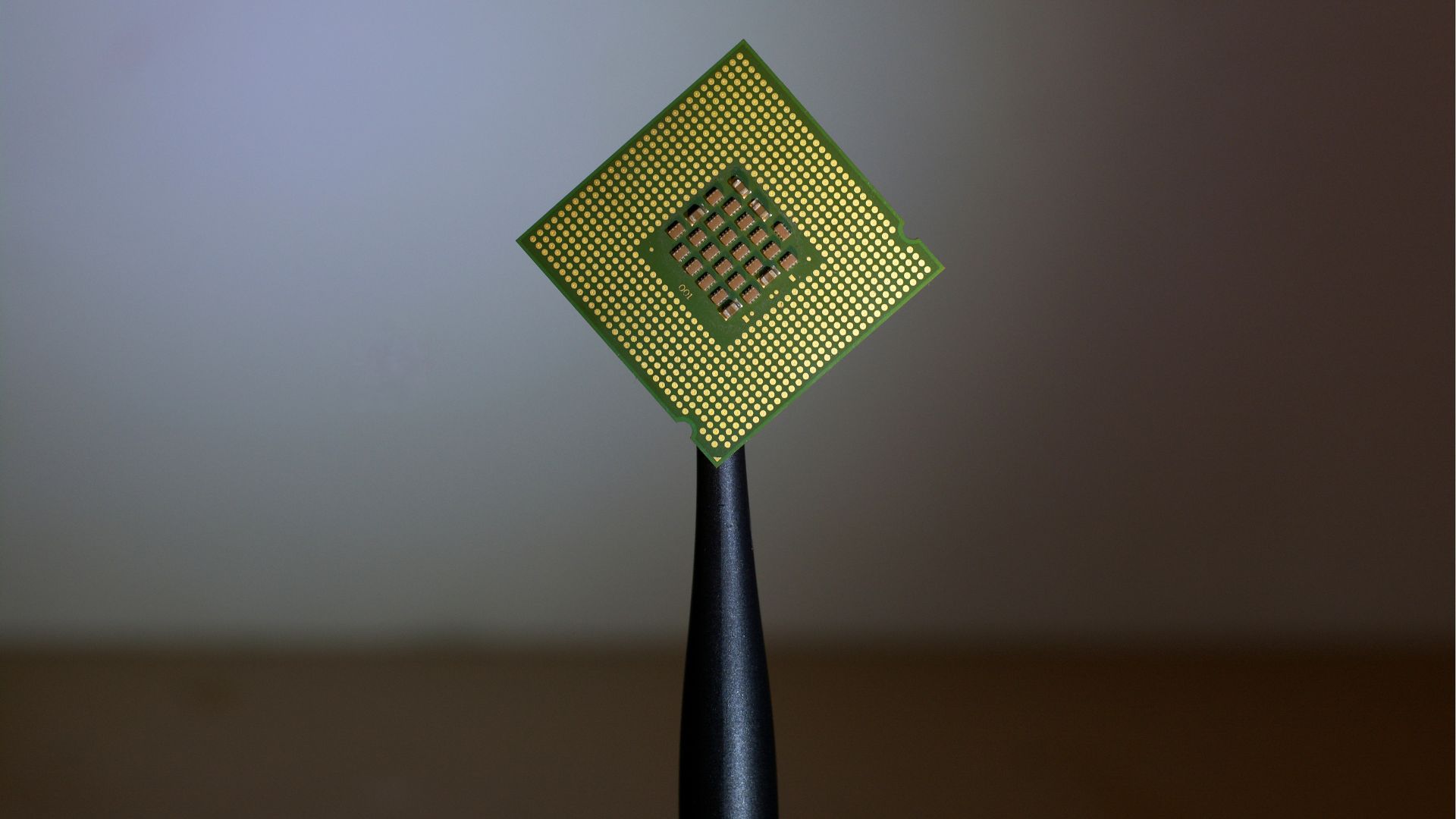
The era of consistently affordable personal tech is facing a major disruption. For decades, regular buyers enjoyed a steady decline in the cost of consumer electronics. However, a sudden shift in global manufacturing priorities is now driving up the price tags on everyday devices, including laptops, gaming consoles, and tablets.
The core issue stems from the massive infrastructure supporting artificial intelligence. Huge amounts of manufacturing capacity are being redirected to build out data networks and advanced server farms. Because so much factory output is flowing straight into specialized tech centers, fewer silicon components are left over for standard retail goods.
Major tech developers are already altering their retail strategies to cope with these expensive components. Leaders like Apple and Microsoft recently adjusted retail pricing upward for several staple products, ranging from portable tablets and computers to popular gaming systems. Market research indicates that even standard smartphones could see noticeable price adjustments soon as brands try to absorb the steep costs of production.
Tech Industry Giants Shift Focus To Data Infrastructure

Historically, the world's primary semiconductor fabricators focused heavily on making components for standard electronics, such as mobile devices and automotive systems. Now, the biggest names in cloud computing and digital services are buying up immense amounts of factory space. These massive corporations need an endless supply of high-performance components to power their fresh neural networks and heavy digital workloads.
To satisfy this demanding corporate market, silicon manufacturers are heavily prioritizing advanced [high bandwidth memory] over traditional storage parts. The specialized hardware used in large scale server networks yields much higher profit margins than the standard memory blocks found in everyday household products. This reality leaves smaller consumer brands competing for a rapidly shrinking pool of standard components.
The industrial pivot is so pronounced that certain prominent semiconductor firms have completely walked away from standard commercial product lines. This direct reallocation of resources means the underlying costs for basic digital storage have climbed dramatically over the last several months. With standard storage options dwindling, device makers are forced to pass the financial burden directly down to retail shoppers.
Understanding The Scale Of The Manufacturing Bottleneck

Estimates from financial analysts suggest that commercial demand for specialized silicon currently outpaces available factory supply by an incredible margin. In simple terms, there are far more institutional orders on the books than actual factories can produce. This imbalance has created a competitive bidding environment where component costs have skyrocketed compared to previous years.
Fixing a structural shortage like this takes an immense amount of time and capital. Companies cannot simply scale up production overnight, as modern microchip fabrication facilities are among the most complex structures on Earth. Building a single new plant requires billions of dollars in capital and several years of careful engineering before a single usable component ever rolls off the line.
This manufacturing reality makes the current situation notably more rigid than the temporary supply chain halts seen during the early part of the decade. Back then, shipping channels were blocked, but the factories themselves were still designed for retail tech. Today, the physical factories are open, but their machinery has been fundamentally repurposed to serve corporate server hubs instead of personal gadgets.
Long Term Price Expectations For Everyday Tech Buyers

Industry researchers believe this tight supply environment will remain a factor in the market until at least 2027. Until new manufacturing hubs are fully operational, the retail marketplace will likely reflect these underlying production pressures. Regular updates to economic data already show distinct upward movements in the pricing of computing hardware and digital accessories.
Projections for the coming year suggest that retail costs for computers and smartphones could climb by noticeable double-digit percentages over previous baseline levels. These steady price increases might alter how people interact with the tech market altogether. Instead of upgrading to the newest model every season, many users are expected to hold onto their current hardware for much longer periods.
Everyone is loving this product in the comments, but securing new hardware at yesterday's prices is becoming a challenge. Given the current market trajectory, analysts suggest that buyers looking for new personal electronics might want to make their purchases sooner rather than later, particularly before the peak holiday shopping seasons drive demand even higher.
Post a Comment for "The AI boom is devouring chips, leaving consumers to pay the cost"