
Top interior design trends shaping 2026 homes
The Evolution of Interior Design in 2026
In 2026, there is a noticeable shift towards decluttering and minimalism, but this year, people are seeking something richer, warmer, and more personal. Homes today no longer reflect the latest fashion trends; instead, they showcase well-lived lives. People are focusing on designing their spaces with maximum functionality, comfort, and aesthetics. The result is interiors that are emotional and deeply human.
We have explored in detail the defining interior trend of 2026. These trends are transforming how modern homes look, feel, and function.
Definitely Warmth Replaces Minimalism
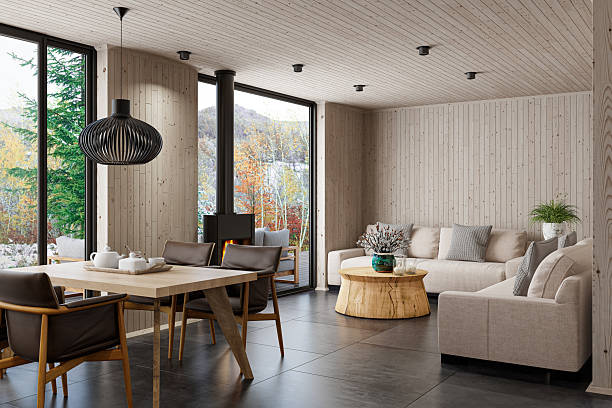
The sterile whites and cool greys that were popular in the 2010s have officially faded out. In their place, warm earth tones and natural textures are taking center stage. Many designs are now referred to as warm modernism, which represents a return to simplicity, but this time with a rich patina and personality.
According to the 2026 trend analysis, warm browns, muted reds, and dusty jewel tones have replaced greys as the neutral foundation of modern spaces. This color palette offers a grounded, timeless, and cozy feeling. These qualities are what many homeowners desire after years of living in cool, austere environments.
Texture Is the New Colour
Today, color is taking a back seat, and texture is stepping up. In 2026, designers are layering materials to create visual depth. For example, they incorporate linen curtains, bouncy sofas, fluted wood cabinetry, and more. In short, they are turning even minimal rooms into sensory experiences.
Currently, natural finishes dominate the palette. These are often paired with modern materials like concrete or stainless steel to balance utility with warmth. The main idea is to achieve a balance through texture.
Lived-In and Narrative Design
In the past, there used to be picture-perfect, magazine-ready rooms. However, in 2026, the most iconic and stylish interiors will tell a story. Designers refer to this as narrative design or curated calm.
Open shelving displays ceramics collected from travels. Hand-thrown pottery replaces mass-produced vases. A little “gentle clutter,” as designers call it, adds authenticity and humanity. The goal is to make spaces feel collected over time, not assembled in a weekend.
Suite-Style Bedrooms and Wellness Rooms
Home is no longer just a place; it has become a complete wellness environment. Now, bedrooms are evolving into restful suites that combine sleep, relaxation, and reflection. These bedrooms are now seen as destinations rather than transitions. Think of the best parts of boutique hotels: layered bedding, soft drapery, and mood lighting, but made deeply personal for you.
Additionally, wellness and recovery rooms are becoming an essential part of home design. What was once a luxury is now a mainstay. Whether it’s a small nook for meditation, a steam or cold plunge room, or just a serene reading area, these sanctuaries blend well-being and design. They also remind us that comfort is a form of self-care.
Multi-Functional and Adaptive Spaces
Remote work has been one of the changes in recent years that have reshaped how homes function. Instead of open-plan living that compromises privacy, designers now favor zoned flexibility. For instance, modular furniture, sliding panels, and soft partitions like drapery are being used to shift spaces from office to lounge to guests’ rooms in no time.
Fabric panels and curtains have now become structured tools. They soften acoustics, filter light, and create moveable boundaries. Ceiling-mounted drapes and semi-sheer dividers are replacing rigid walls to allow freedom within form. This change reflects a broader value: homes that adapt to your life, not ones that demand you adapt to them.
Colour as Atmosphere
In 2026, the color of the house plays a more emotional role rather than just an aesthetic one. Designers now focus on atmospheric color. Atmospheric colors are palettes within the same tonal family, creating a cohesive mode across a space. Instead of bold contrast, you will see layered chromatics. Multiple shades of clay, mauve, or green flow gently from room to room.
This approach transforms color into an immersive experience. Bedrooms might be full of desaturated blues to evoke calm. Meanwhile, the kitchen leans into earthy reds for warmth and sociability. The outcome is emotional resonance through color, making rooms feel rather than just look beautiful.
Modern Heritage and Handcrafted Authenticity
Modern heritage is one of the most poetic design movements of this era, where the charm of the old days meets today's clean functionality. This aesthetic blends architectural details with modern materials.
This aesthetic merges architectural details like arches and vintage molding with modern materials like curved sofas and minimalist cabinetry. This trend fills the gap between generations. It is a design language that respects provenance while staying forward-looking.
Technology Goes Invisible
The smart home has matured, and it is no longer about visible gadgets; rather, it is now about seamless integration. Gadgets like hidden speakers, automated shades, and adaptive lighting enhance daily life without disrupting the aesthetics.
Designers appreciate this invisible tech, where technology disappears into the architecture. According to research, many homeowners are now using AI-assisted design tools. They use these to preview renovations and visualize color schemes before making any commitments. Undoubtedly, these digital advancements are making homes smarter and more human-centered.
The Rise of Wellness Materials
The selection of material in 2026 is not only about aesthetics but also about how it affects your well-being. For example, people are now choosing air-purifying paint, low-VOC finishes, earthy minerals, and natural fibers. These choices help build healthier indoor environments.
Limewash paint and clay plaster, once considered niche, are now mainstream due to their ability to balance humidity and diffuse light softly. Countertops are made of natural stone, as kitchens are valued not only for their beauty but also for their longevity and grounding tactile feel. In short, the goal is to mirror nature's rhythm in our homes, which is imperfect, resilient, and alive.
Maximalism Refined
Minimalism still dominates headlines, but a sophisticated version of maximalism thrives alongside it. The narrative maximalism movement values storytelling through layers, with patterned upholstery, gallery walls, and collected artifacts. However, it avoids chaos through curation.
It’s maximalism with discipline: pattern blending anchored by a tight color palette or consistent material language. Think floral drapes beside abstract art, unified by tone instead of motif. This style has evolved into a mature expression of individuality, with less clutter and more character.
Conclusion
The theme of 2026 design is clarity with warmth. It is about making choices that simplify living while enriching sensory and emotional experiences. In this era, homes have become tools for well-being, storytelling, and self-expression. It is different from the past when a beautiful house was just there for display. We are leaving behind the sterile perfection of the past decade and entering an era where design feels like a dialogue.
It is a dialogue between old and new, man and nature, and technology and craft. Whether it means a terracotta-hued living room, a curved reading nook, or a multifunctional living zone, they are divided by fabric panels, but the essence is the same: interiors that support real life. In short, the modern home of 2026 is not about following trends anymore; it’s about creating a story worth living in.
Post a Comment for "Top interior design trends shaping 2026 homes"