
We Build Superyachts for Billionaires as Their Dreams Evolve
The Evolution of Superyacht Design
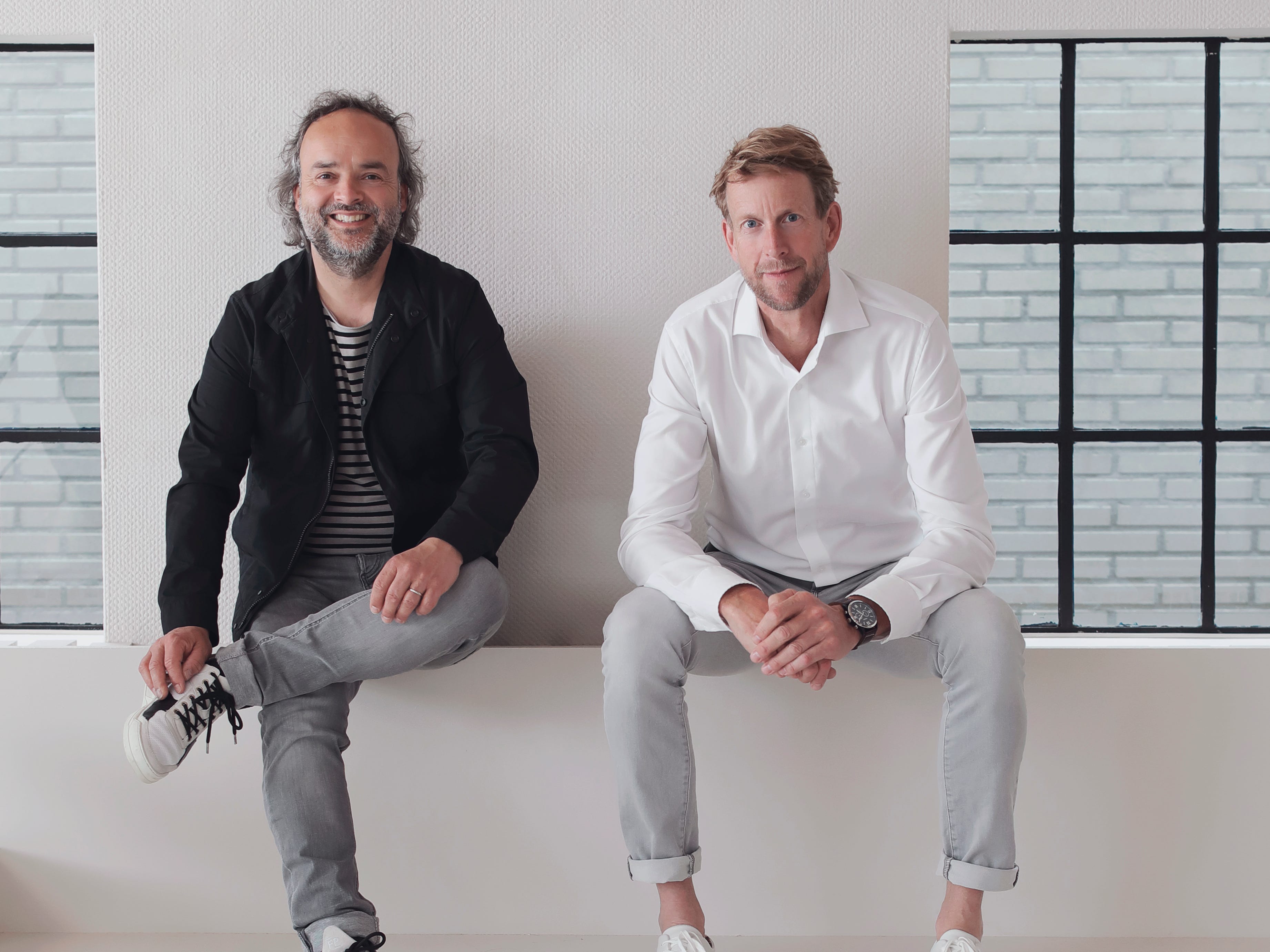
Vripack's co-creative directors, Marnix Hoekstra and Bart Bouwhuis, are known for their work in designing luxury superyachts. Over the years, they have seen a significant shift in what clients prioritize when it comes to yacht design. From traditional office spaces to modern gyms, the needs of superyacht owners have evolved dramatically.
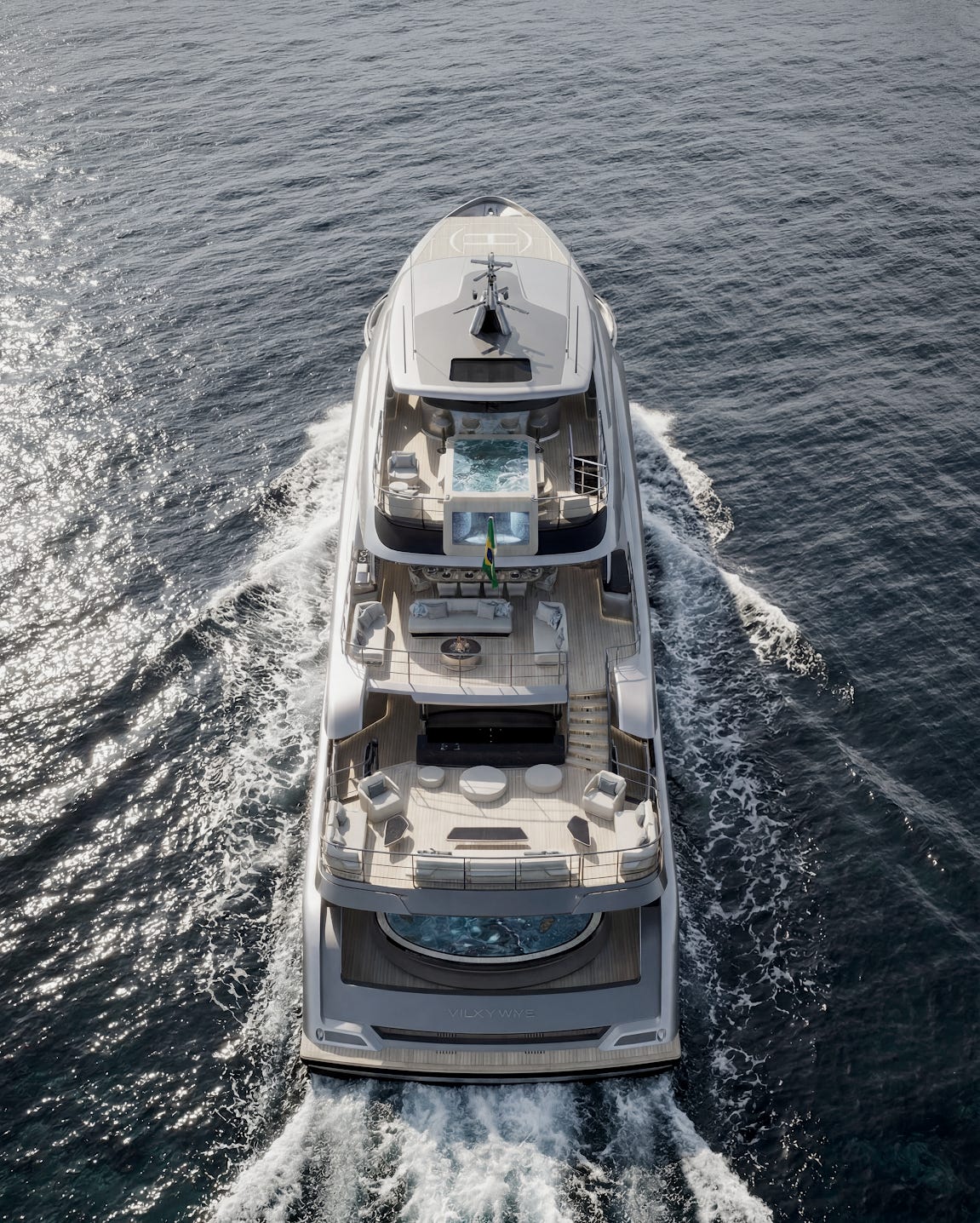
A custom superyacht is one of the most expensive assets anyone can own, with costs reaching into the hundreds of millions of dollars and requiring years of construction. Every square meter of the yacht is meticulously planned to ensure that it meets the client's needs throughout the day, evening, and night. For Bouwhuis and Hoekstra, this often means focusing on practicalities rather than just the aesthetic appeal of the vessel.
As co-creative directors at Vripack, a firm renowned for its naval architecture and interior design, they have worked on superyachts for billionaires and members of the Saudi royal family. Their approach involves understanding how each client spends their time on the water.
"The outside you could consider more or less a dress: you can dress up any layout with a modern dress or a classic dress," Bouwhuis said. "But the inside is where the real function lies."
Health and Fitness Take Center Stage
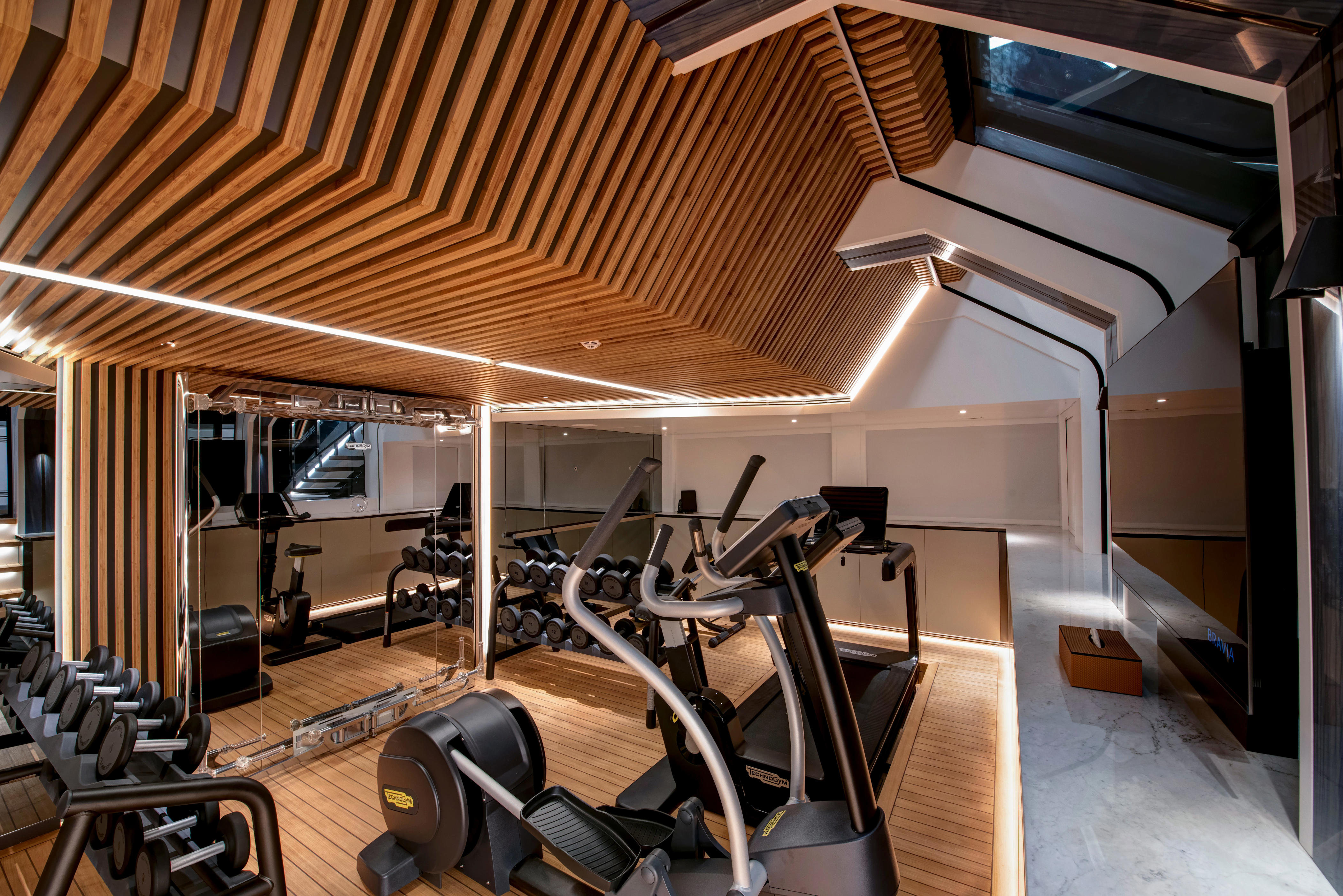
Health and fitness have become essential for the longevity-obsessed superrich, including many of Vripack's clients. While some used to be satisfied with a basic hotel-style gym—no windows, minimal equipment—those days are long gone.
Clients now request specialized spaces such as Bikram-style hot yoga studios, kickboxing areas, and even hyperbaric chambers for oxygen therapy. "You don't walk a lot on a boat," Hoekstra explained. "A treadmill or bike, both of them are very nice pieces of equipment to keep your muscles going."
Designing a gym on a superyacht presents unique challenges, from finding a room with enough ceiling height for large machines to ensuring proper climate control and ventilation. These considerations require careful planning and engineering to maintain comfort and functionality.
Work from Yacht (WFY)
The pandemic popularized the concept of working from home, but for the ultra-wealthy, there's also the option of working from a yacht, or WFY.
"Life is blurring between private and business and between being on the boat and off the boat," Hoekstra said. As superyacht owners become younger and more likely to be working, the need for a functional workspace on board has increased.
Technological advancements, such as Starlink's satellite internet, have made it possible to conduct Zoom calls and other remote work tasks while at sea. This shift has led to a reimagining of how yachts are designed—not just as places to relax, but as extensions of a client's professional life.
Comfort at Sea
For centuries, people have sought the tranquility of the sea, yet they also want to avoid the discomfort of motion sickness. This paradox has driven innovations in superyacht design.
Stabilizers, which reduce seasickness, have become more advanced in recent years. Computers now allow designers to model the motion of various parts of the boat, enabling them to tailor stabilizing systems to specific sailing conditions. For example, a yacht intended for the Mediterranean would require different stabilizers than one built for open-ocean travel.
Additionally, the placement of key areas like the master cabin and bed is carefully considered to minimize the effects of motion.
Environmental Considerations
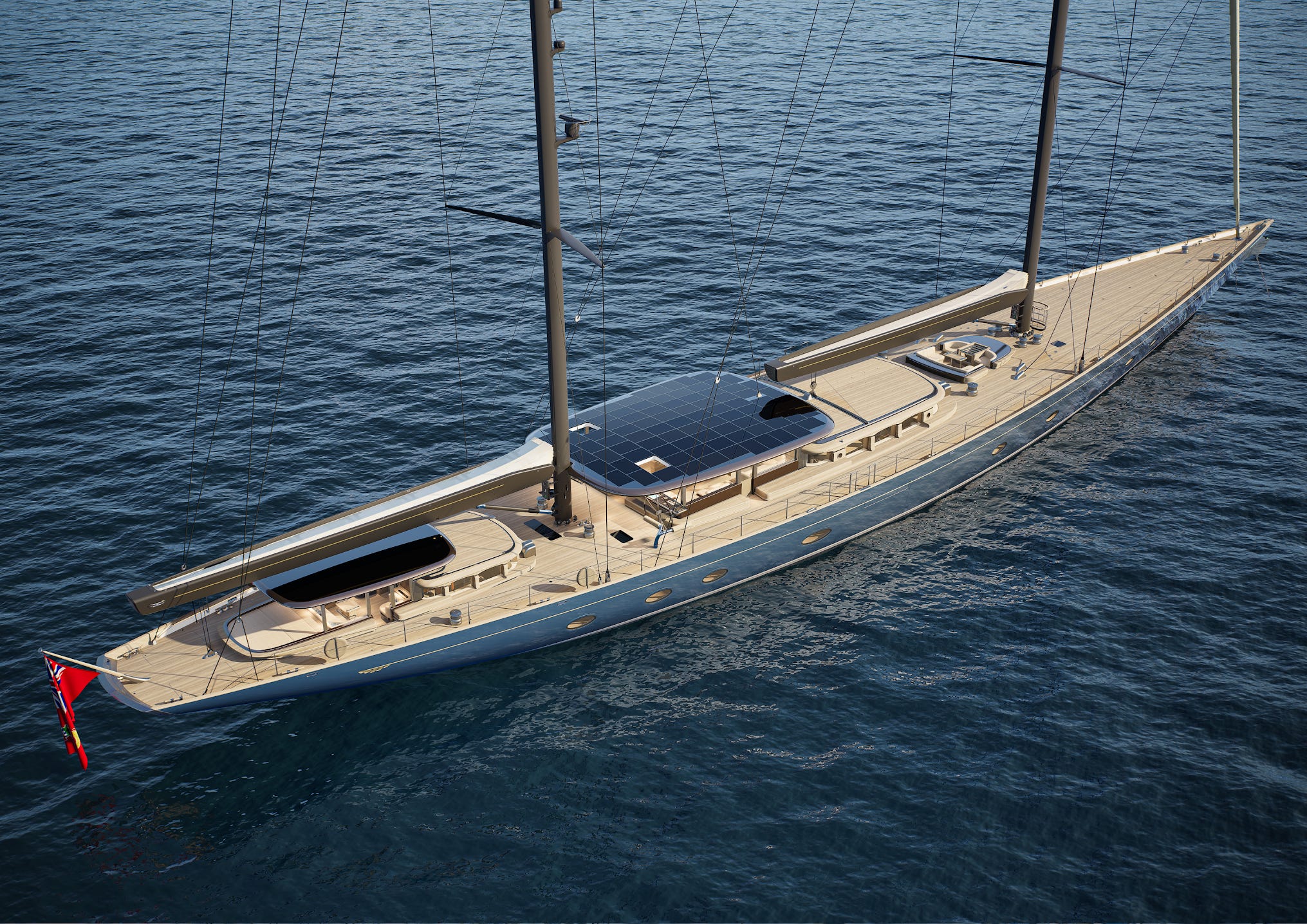
One of Vripack's most notable projects is Project Zero, an all-electric superyacht powered entirely by renewable energy. This project has sparked interest among clients looking to adopt more sustainable practices.
Hoekstra noted that the project has shifted client thinking from avoiding environmentalism to pursuing practical, low-impact solutions. "Can I get a bigger engine? That's just so 80s," he said. "Why would you pick a heavy four-by-four Jeep to drive to a meeting in Manhattan?"
Clients are now more intentional about using better insulation, heat-reflective paint, and energy-efficient air conditioning systems. Even materials like teak, once a popular decking choice, have been phased out due to concerns about deforestation.
Post a Comment for "We Build Superyachts for Billionaires as Their Dreams Evolve"