
Unclear Pathways as Alberta Prepares Pipeline Announcement
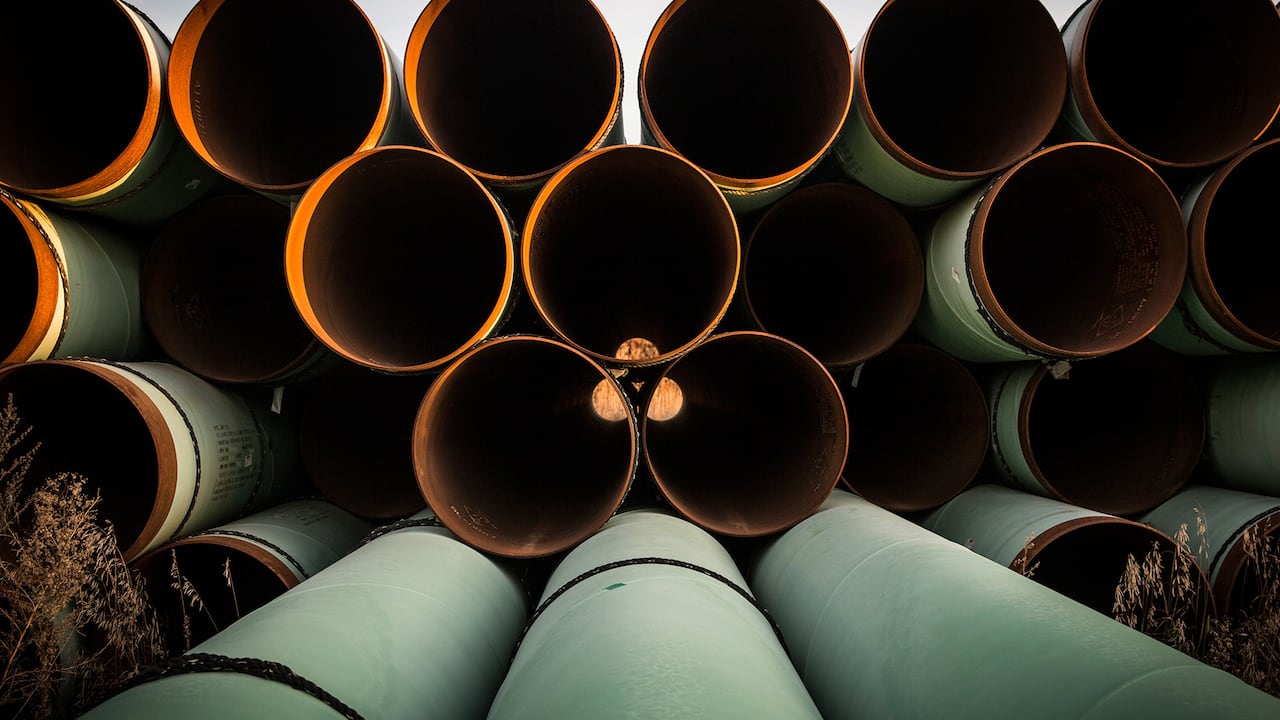
Alberta's Proposed Oil Pipeline to the West Coast
The Alberta government is gearing up for a major announcement this week regarding a proposed oil pipeline that would connect to Canada’s West Coast. This development has sparked significant interest among experts, who are eager to learn more about the project's potential and its likelihood of being completed.
Premier Danielle Smith's office has confirmed that new details will be shared on Thursday concerning Alberta's submission to the major projects office for the new West Coast pipeline. This announcement follows a July 1 deadline set by both the Alberta and federal governments in a recent memorandum of understanding.
Despite the upcoming announcement, several key aspects of the project remain unclear. Al Salazar, head of macro oil and gas research at Enverus, highlighted some of the critical questions still unanswered. These include who will fund the pipeline, whether there are guaranteed shippers, if there is solid backing from oil sand producers, who will operate the pipeline, and the chosen route.
Salazar emphasized that the more concrete details the province can provide, the better it will be for assuring oil producers of the pipeline's viability. Once Alberta's proposal is submitted to the major projects office, Ottawa will have until October 1 to designate it as a project of national interest.
Prime Minister Mark Carney is scheduled to visit Alberta on Wednesday night, expressing his support for the province's proposal. He mentioned that the proposal is tracking well, indicating a positive outlook.
Potential Routes and Challenges
Alberta has considered three possible routes through northern British Columbia, as well as a southern route leading to a Vancouver-area port. It remains uncertain whether the province will specify the intended route this week. However, Richard Masson, former CEO of the Alberta Petroleum Marketing Commission, argued that a southern route following the existing Trans Mountain pipeline would be ideal.
The B.C. government and some First Nations have opposed a northern route due to an existing oil tanker ban on the northern B.C. coast. If Alberta announces a route to the Vancouver area, Masson believes it would signal a positive step toward collaboration and addressing concerns.
A northern route to Prince Rupert, he said, would likely face significant challenges and have a low probability of success. The federal-provincial agreement states that the pipeline should be privately constructed and financed. However, no private proponent has come forward yet.
Heather Exner-Pirot, director of natural resources, energy and environment at the Macdonald-Laurier Institute, noted that she doesn't expect a private company to step in until the pipeline is designated a project of national interest. This designation could fast-track environmental reviews and federal permitting.
Until then, the cost of building a new pipeline is too high for companies to bear, she said. Exner-Pirot added that before Alberta spends public funds or a private proponent gets involved, it's essential to ensure political support won't be rejected at the last minute.
Concerns Over Private Proponents
Masson raised concerns about the lack of a private proponent for the project, calling it a "huge red flag." He emphasized the need for outside expertise to help plan the pipeline's construction. Masson pointed out that just because Alberta wants a pipeline company doesn’t mean they will divert their resources from other commitments.
He also noted that pipeline companies like Trans Mountain, Enbridge, and South Bow have other lower-risk and less costly expansion opportunities they are considering. Carney reiterated that Ottawa's support for the West Coast pipeline is tied to the Pathways carbon capture and storage project, which aims to offset emissions from increased oil production.
Pathways, proposed by the Oil Sands Alliance, involves five major oil sands companies. However, the cost-sharing and risk distribution between the companies, provincial, and federal governments remain undecided. Masson expects Thursday's announcement to include an update on Pathways as well.
Federal Support and Energy Crisis
Carney's YouTube channel recently posted a video discussing an energy crisis facing the country and highlighting the federal government's efforts to develop options for an oil pipeline to the West Coast. Exner-Pirot believes this video signals Ottawa's support for moving the project forward and designating it as a nation-building project.
She also mentioned that Carney's emphasis on unity and strength aligns with the broader goal of bringing together Alberta, B.C., and Ottawa behind the pipeline. Exner-Pirot sees this as setting the stage for a collaborative effort on Thursday.
Post a Comment for "Unclear Pathways as Alberta Prepares Pipeline Announcement"