
Pilot issues warning to passengers about not putting phones on airplane mode
The Crucial Reason Behind Airplane Mode: A Pilot's Insight
In the skies above the UAE, a common request from flight attendants often sparks curiosity: the instruction to switch personal electronic devices to "flight mode." While many passengers comply without a second thought, a seasoned pilot has shed light on the genuine safety and operational reasons behind this ubiquitous directive. Savina Paül, an experienced A330 pilot, shared her expert perspective, emphasizing that this measure is far from a mere formality.
The core of the issue lies in the sensitivity of modern aircraft systems to external electromagnetic interference. According to reports, Paül explained on the podcast Supersonic Anonymous that while a single active mobile phone might not pose a significant threat, the cumulative effect of hundreds of devices operating simultaneously can create a real problem. This interference becomes particularly critical during high-precision approaches, often referred to as Category 3 or autoland operations. These are moments when the aircraft relies heavily on its sophisticated instruments for safe navigation and landing.
"One mobile phone switched on does nothing, but 300 mobile phones at once, especially during a high-precision approach, can cause interference," Paül stated, highlighting the potential impact on the aircraft's sensitive instruments. She further elaborated that the aircraft itself functions like a complex computer, and such external disruptions can, in essence, cause glitches or inaccuracies in vital systems. This is why compliance, even after the aircraft has landed and is taxiing, is advised for a few minutes, allowing all systems to stabilize.
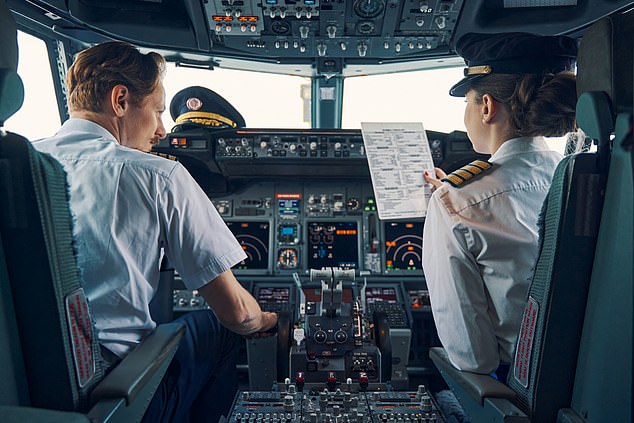
Paül's insights are not isolated. The aviation industry has seen other professionals offer similar guidance. Martin Drake, a retired Boeing 747 captain and a representative of the British Airline Pilots' Association, has previously spoken about the consequences of passengers ignoring the flight mode request. While he acknowledged that a single device left active after take-off is unlikely to cause catastrophic failure, he pointed out that it can create a significant nuisance for the flight crew.
Drake explained that the primary issue stems from potential interference with the aircraft's audio systems when devices remain active during critical phases of flight, such as take-off and landing. This echoes Paül's warning, underscoring the importance of adhering to the instructions to ensure clear communication channels and prevent unexpected disruptions.
Beyond Flight Mode: Navigating Long-Haul Travel
The conversation around in-flight protocols extends beyond device usage. Pilots also face the unique challenges of long-haul travel, including the pervasive issue of jet lag. Al Smith, a senior first officer with a major airline, shared his personal strategies for combating the effects of crossing multiple time zones. He adheres to a rigorous sleep routine designed to keep him feeling alert and prepared for his duties, even after extended flights.
Smith describes long-haul journeys as a "different game" entirely, requiring a conscious effort to maintain a healthy sleep pattern despite constant travel. His approach focuses on proactive management of sleep cycles to minimize the disruptive impact of time zone changes, ensuring he remains at peak performance.
Addressing Passenger Concerns and Improving the Flight Experience
The insights provided by pilots often aim to demystify the complexities of air travel for passengers, fostering greater understanding and cooperation. Topics that frequently arise in discussions about passenger experience include:
- Audio Annoyances: The subtle, yet persistent, buzzing or interference that can emanate from unchecked smartphones during crucial flight phases. This not only distracts passengers but can also interfere with crew communications.
- Communication Integrity: The vital importance of ensuring that pilots' and air traffic control's communications are not jeopardized by electronic signals from personal devices.
- Anxiety Management: Tips and techniques that pilots and cabin crew employ to help calm anxious passengers during flights. This can range from reassuring explanations to specific comfort measures.
- Navigation Accuracy: The underlying principles of how sensitive navigation systems can be affected by electromagnetic emissions, and why precautions are necessary.
By understanding the rationale behind these protocols, passengers can contribute to a safer and smoother flying experience for everyone on board. The emphasis on flight mode, while seemingly a small request, plays a crucial role in maintaining the integrity of aircraft systems and ensuring the well-being of all travellers during their journey.
Post a Comment for "Pilot issues warning to passengers about not putting phones on airplane mode"